
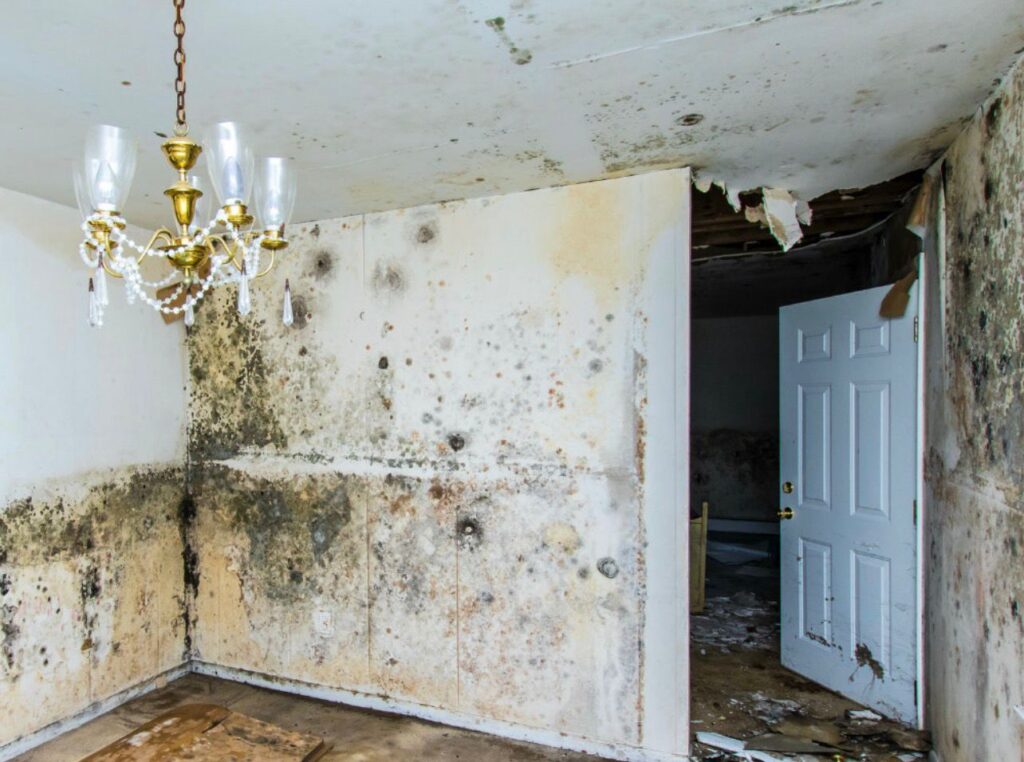
Mold in Rental Properties in Titusville: What Homeowners in Brevard County Should KnowMold in rental properties is a serious and recurring issue for homeowners and landlords in Titusville and across Brevard County. Florida’s heat, humidity, seasonal storms, and aging housing stock create ideal conditions for mold growth, especially in rentals where maintenance issues can go unnoticed or unreported. Mold problems can quickly escalate into tenant complaints, health concerns, legal disputes, and expensive repairs if not handled correctly and promptly.Understanding how mold develops in rental properties, where it commonly appears, and what responsibilities property owners carry is essential for protecting both the property and the people living in it.⸻Why Mold Is Common in Titusville Rental PropertiesTitusville’s environment plays a major role in mold growth. High humidity levels, frequent rainfall, and long periods of warm weather allow moisture to linger inside buildings. Rental properties are particularly vulnerable due to higher occupant turnover and varying living habits.Common contributing factors include: • Poor ventilation in bathrooms, kitchens, and laundry areas • Plumbing leaks that go unnoticed between tenants • Roof or window leaks during heavy rainstorms • Aging HVAC systems with condensation problems • Tenants turning off air conditioning while away, allowing humidity to riseWhen moisture combines with organic building materials such as drywall, wood framing, insulation, or carpet, mold can begin growing within 24 to 48 hours.⸻Common Areas Where Mold Develops in Rental HomesMold in rental properties is often hidden. Many landlords do not discover it until tenants complain about odors or health symptoms.High-risk areas include:Bathrooms, where steam from showers and poor exhaust ventilation create constant moistureKitchens, especially under sinks where slow leaks are commonLaundry rooms, due to washing machine leaks and dryer humidityHVAC systems and air handlers, where condensation formsAttics and crawl spaces, where humidity and leaks go unnoticedBehind walls or under flooring after plumbing or roof leaksBecause mold frequently grows out of sight, visible mold usually indicates a larger hidden issue.⸻Health Concerns for TenantsMold exposure can affect tenants differently depending on sensitivity, duration of exposure, and the type of mold present. Common symptoms reported in rental properties include: • Persistent coughing or sneezing • Nasal congestion and sinus irritation • Eye irritation and headaches • Skin rashes • Worsening asthma or respiratory conditionsWhile not all mold is considered toxic, any indoor mold growth can negatively impact indoor air quality. Landlords who ignore mold complaints may face increased liability if tenant health issues are linked to prolonged exposure.⸻Landlord Responsibilities in Brevard CountyProperty owners in Titusville have a responsibility to provide a safe and habitable living environment. While Florida does not have a single mold-specific statute, landlords are required to maintain rental properties in a condition that meets building and health standards.This generally includes: • Addressing water leaks promptly • Maintaining plumbing, roofing, and HVAC systems • Responding to tenant maintenance requests related to moisture or mold • Preventing recurring moisture issues after repairsTenants are typically responsible for reasonable cleanliness and reporting problems promptly, but landlords remain responsible for structural issues and building system failures that contribute to mold growth.Failure to act after mold is reported can lead to code violations, legal disputes, and loss of rental income.⸻Signs of Mold Problems in Rental PropertiesLandlords should be alert to warning signs, including:Musty or earthy odors reported by tenantsVisible discoloration on walls, ceilings, or around ventsRecurring moisture or water stainsPeeling paint or bubbling drywallCondensation on windows, walls, or HVAC ventsRepeated tenant complaints about allergies or respiratory symptomsRegular inspections between tenants can help catch these issues early before they become major remediation projects.⸻Why DIY Mold Cleanup Is Risky in RentalsSome landlords attempt quick fixes such as wiping mold with bleach or painting over stains. These methods do not address the underlying moisture source and often allow mold to return quickly.DIY cleanup can also: • Spread mold spores through the property • Fail to remove mold inside walls or insulation • Create liability if tenants are exposed during improper cleanup • Mask problems that later worsenIn rental properties, incomplete or improper mold removal often leads to repeated complaints and higher long-term costs.⸻Professional Mold Inspection and RemediationWhen mold is suspected in a rental property, professional inspection is often the safest approach. A proper assessment identifies both visible and hidden mold and determines the moisture source driving the problem.Professional remediation typically includes:Identifying leaks or humidity sourcesContaining affected areas to prevent cross-contaminationRemoving mold-damaged materials when necessaryCleaning and treating remaining surfacesDrying the structure thoroughlyCorrecting ventilation, drainage, or HVAC issuesAddressing the root cause is essential to prevent future mold growth and recurring tenant issues.⸻Preventing Mold in Titusville Rental PropertiesPrevention is the most cost-effective strategy for landlords.Key preventive steps include:Regular property inspections, especially after heavy rainPrompt repair of plumbing, roof, and HVAC issuesEnsuring bathrooms and kitchens have functioning exhaust fansMaintaining indoor humidity through proper air conditioningEducating tenants on reporting leaks and moisture promptlyAvoiding carpet in high-moisture areas when possibleBetween tenants, landlords should inspect behind appliances, under sinks, and around HVAC systems to ensure no hidden moisture problems exist.⸻Mold and Property ValueMold issues can significantly impact the value and marketability of rental properties. Homes with documented mold problems may face:Lower appraisal valuesFailed inspections during sales or refinancingDifficulty attracting long-term tenantsIncreased insurance scrutinyMaintaining a clean, dry, and mold-free rental property protects both rental income and long-term investment value.⸻Final ThoughtsMold in rental properties in Titusville is a common but manageable issue when addressed early and correctly. High humidity, aging infrastructure, and frequent storms make Brevard County rentals particularly vulnerable. Landlords who stay proactive with inspections, moisture control, and proper remediation protect their properties, their tenants, and themselves from costly repairs and disputes.Consistent maintenance, quick response to moisture issues, and professional evaluation when needed are the most effective ways to keep rental properties safe, healthy, and compliant in Titusville and throughout Brevard County.