
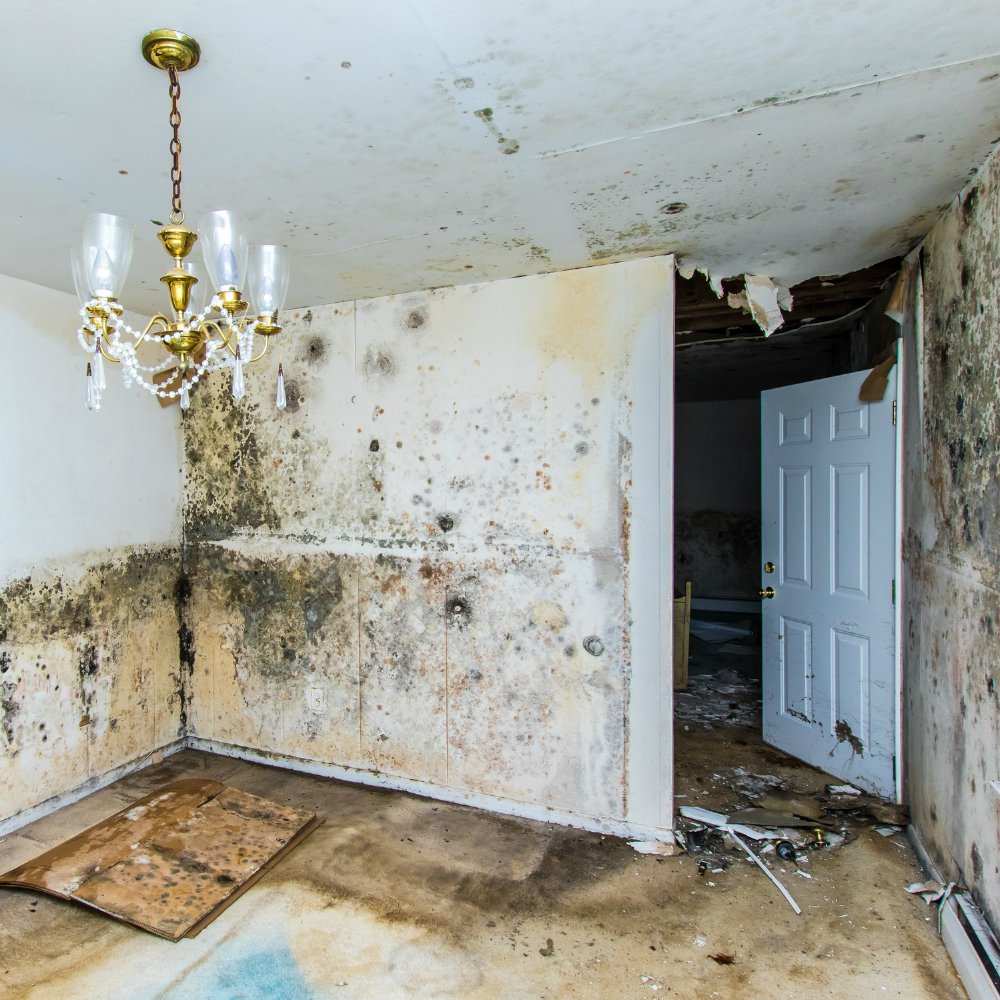
Mold Health Effects in Cocoa: What Homeowners in Brevard County Should Know
When mold shows up in a home, health is usually the first concern. Homeowners in Cocoa often ask whether mold can affect how they feel day to day, especially when musty odors linger or mold keeps coming back despite cleaning. In Brevard County’s humid climate, these questions are common—and understandable.
The topic of mold and health is often surrounded by confusion and exaggeration. In reality, mold-related health effects in homes are usually tied to indoor air quality and moisture conditions, not dramatic or extreme scenarios. Understanding what mold can realistically affect, and when it’s worth taking action, helps Cocoa homeowners respond calmly and appropriately.
How Mold Can Affect Indoor Comfort
Mold doesn’t need to cause a medical emergency to be a problem.
In many Cocoa homes, mold contributes to poor indoor air quality rather than specific illnesses. When mold grows, it releases particles and odors into the air. Combined with excess humidity, this can make a home feel uncomfortable or “heavy,” even if everything looks clean.
Homeowners often notice that they feel better when they leave the house for a while, or that certain rooms feel stuffier than others. These experiences are commonly linked to moisture and air quality rather than visible mold alone.
Common Symptoms Homeowners Associate With Mold
Without making medical claims, it’s fair to say that some people are more sensitive to damp or moldy environments than others.
In Cocoa homes with moisture or mold issues, occupants sometimes report:
- Persistent musty or earthy smells
- A feeling of stale or heavy indoor air
- Irritation when spending long periods indoors
- Discomfort that improves with fresh air or time away
These reactions are often related to humidity, odors, and overall air quality rather than mold quantity or type.
Why Some People Notice Effects and Others Don’t
Not everyone responds the same way to indoor mold or moisture.
Factors that influence how noticeable mold-related effects feel include:
- Time spent inside the home
- Indoor humidity levels
- Ventilation and airflow
- Individual sensitivity to odors or stale air
This is why one person in a household may feel bothered by a musty smell while another barely notices it.
The Role of Humidity in Mold-Related Discomfort
Humidity plays a major role in how mold affects indoor comfort.
Brevard County experiences high humidity most of the year, and Cocoa homes rely heavily on air conditioning to manage it. When humidity remains elevated indoors, mold grows more easily and odors linger longer.
High humidity alone can cause discomfort, even without visible mold. When mold is present, humidity often amplifies the issue by keeping materials damp and air stagnant.
Managing humidity is often just as important as addressing mold itself.
Where Mold Most Often Impacts Indoor Air
Certain areas of a home have more influence on air quality than others.
HVAC systems are a major factor. Mold or moisture inside air handlers, drain pans, or ductwork can affect multiple rooms at once because air is constantly circulating.
Attics can also influence indoor air. Air movement between the attic and living space can carry musty odors downward, especially in homes with air leaks or poor ventilation.
Bathrooms, closets, and rooms with limited airflow often feel the effects of mold and moisture more quickly than open, well-ventilated spaces.
Why Musty Odors Matter
A musty smell is often the first sign homeowners notice.
These odors usually indicate moisture and microbial growth somewhere in the home, even if mold isn’t visible. In Cocoa homes, musty smells often become stronger when the AC runs, pointing to moisture in HVAC systems, attics, or wall cavities.
Odors are not just unpleasant—they’re useful clues that something inside the home isn’t drying properly.
Can Mold Be a Long-Term Comfort Issue?
Yes, if moisture isn’t addressed.
Homes with ongoing moisture problems often experience recurring mold, persistent odors, and uncomfortable indoor conditions. Even if visible mold is cleaned repeatedly, underlying humidity or leaks can keep conditions from improving.
Over time, this can make a home feel less comfortable and harder to keep fresh, especially during Florida’s humid months.
Why Cleaning Mold Doesn’t Always Improve How a Home Feels
Many homeowners clean visible mold but still notice odors or discomfort.
This usually happens because:
- Mold is hidden behind walls or ceilings
- Moisture levels remain high
- HVAC systems are involved
- Cleaning didn’t address porous materials
In these cases, surface cleaning improves appearance but doesn’t change indoor conditions.
Hidden Mold and Indoor Air Quality
Hidden mold often has more impact on air quality than visible mold.
In Cocoa homes, hidden mold commonly grows:
- Behind drywall
- Under flooring on slab foundations
- Inside HVAC systems
- Above ceilings
Because air moves through these areas, odors and moisture can affect living spaces even when mold isn’t visible.
This is why recurring odors or discomfort should be taken seriously, even if surfaces look clean.
How Professional Inspections Help Clarify Health Concerns
A professional mold inspection focuses on conditions, not diagnoses.
Inspections typically evaluate:
- Moisture levels in walls, ceilings, and floors
- HVAC systems and condensation issues
- Attics and ventilation
- Areas where odors or discomfort are reported
Moisture meters and visual assessments help identify whether indoor conditions support mold growth.
When appropriate, air or surface samples may be collected for documentation, but moisture findings usually provide the most useful insight.
Local professionals such as Brevard Mold Inspections & Removal focus on explaining how moisture and mold may be affecting the home environment rather than making health claims.
When Mold Concerns Deserve Attention
Mold-related comfort concerns are worth addressing when:
- Musty odors persist
- Mold keeps returning after cleaning
- Indoor air feels stale or heavy
- Humidity remains high
- Discomfort improves when leaving the home
These signs usually point to moisture issues that won’t resolve on their own.
How Proper Remediation Improves Indoor Conditions
When mold remediation is done correctly—and moisture is controlled—homeowners often notice meaningful changes.
Common improvements include:
- Reduced or eliminated musty odors
- Fresher-feeling indoor air
- More consistent humidity
- Fewer recurring mold spots
These improvements suggest that the environment supporting mold has been corrected, not just the mold itself removed.
Practical Steps to Improve Indoor Air Quality
Cocoa homeowners can take several practical steps to reduce mold-related discomfort.
These include:
- Maintaining HVAC systems and drain lines
- Using bathroom exhaust fans during and after showers
- Monitoring indoor humidity
- Repairing leaks promptly
- Checking attics and ceilings after storms
Small moisture issues addressed early often prevent bigger problems later.
Why Local Experience Matters in Cocoa
Mold-related comfort issues are highly dependent on local climate.
Cocoa homes face Florida humidity, slab foundations, frequent storms, and long AC run times. Local experience helps professionals understand how moisture affects indoor air here and where problems usually originate.
Generic advice often misses these regional realities.
A Practical Takeaway for Cocoa Homeowners
Mold health effects in Cocoa are usually about indoor comfort and air quality, not alarm.
Musty odors, recurring mold, or stale indoor air are signs that moisture may be affecting the home environment. Addressing moisture and ventilation often leads to noticeable improvements in how a home feels.
If you’re unsure whether mold or humidity is contributing to discomfort in your home, a professional inspection can provide clarity. With accurate evaluation and local expertise, Cocoa homeowners can improve indoor conditions and reduce mold-related concerns in a calm, practical way.