
Mold Remediation in West Melbourne: What Homeowners in Brevard County Should Know
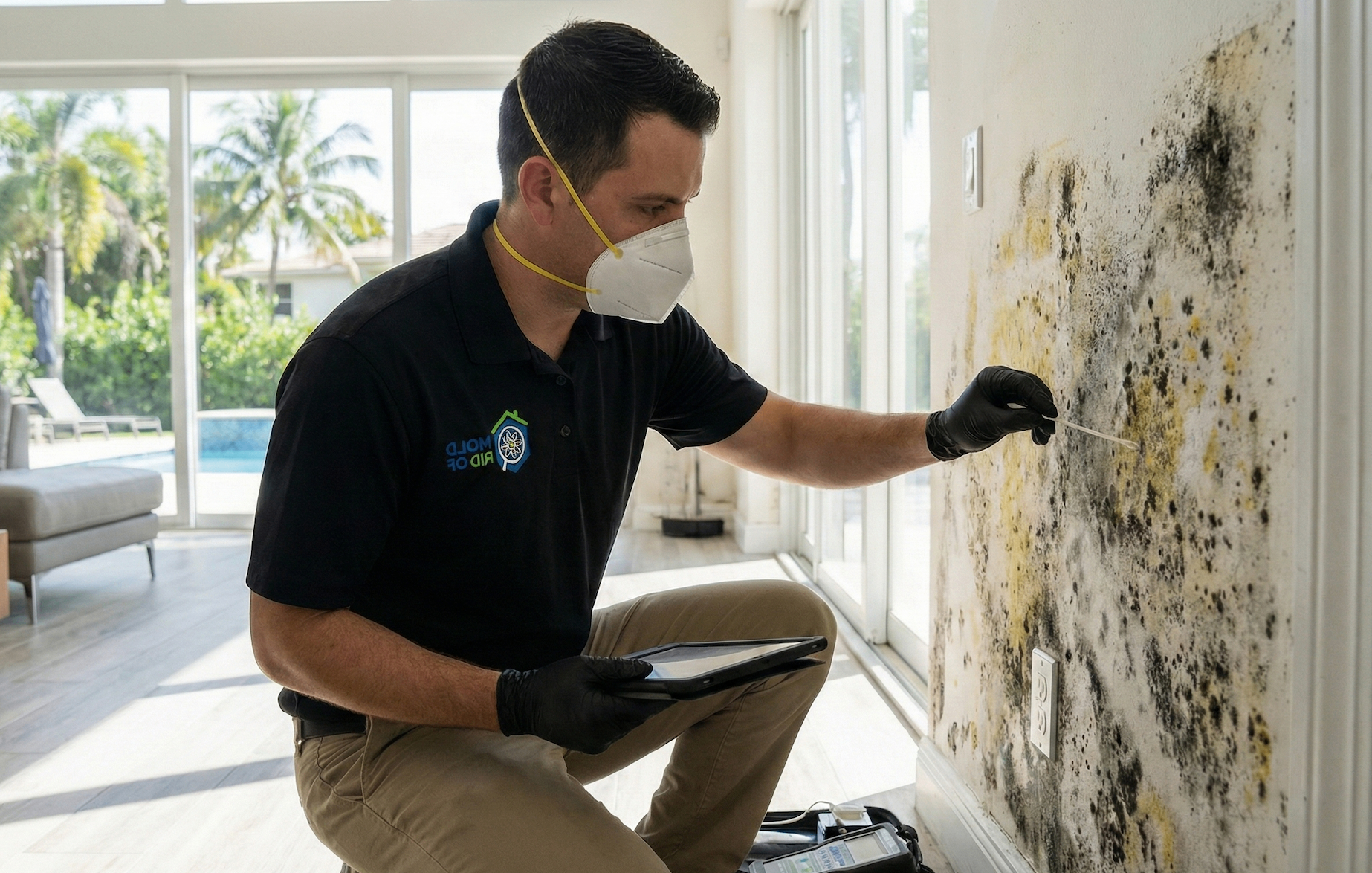
Mold remediation is a critical issue for homeowners in West Melbourne and across Brevard County. With Florida’s year-round humidity, frequent storms, heavy rainfall, and constant air-conditioning use, mold problems can develop quickly — often without obvious warning signs.
Many homeowners confuse mold remediation with simple cleaning. In reality, true mold remediation is a structured process designed to remove mold safely, address the moisture source, and prevent future growth. Understanding how remediation works — and when it’s necessary — can help protect your home, health, and property value.
Why Mold Is a Common Problem in West Melbourne
West Melbourne homes face several conditions that encourage mold growth:
- High indoor and outdoor humidity
- Heavy rain and storm-related moisture
- Condensation from HVAC systems
- Plumbing leaks inside walls
- Slab construction that traps moisture
- Poor ventilation in attics and bathrooms
Even without flooding, moisture can build up inside walls, ceilings, and flooring — creating ideal conditions for mold to grow unnoticed.
What Mold Remediation Really Means
Mold remediation is not just removing visible mold. It is a professional process focused on eliminating mold at its source and preventing it from returning.
Proper remediation typically includes:
- Identifying and correcting the moisture source
- Containing contaminated areas
- Preventing mold spores from spreading
- Removing affected materials safely
- Cleaning and treating remaining surfaces
- Improving conditions to prevent future growth
Without addressing moisture, mold will almost always come back.
Signs You May Need Mold Remediation
Homeowners in West Melbourne should consider professional remediation if they notice:
- Persistent musty or earthy odors
- Visible mold on walls, ceilings, or vents
- Peeling paint or bubbling drywall
- Warped floors or baseboards
- Allergy or respiratory symptoms indoors
- Mold that keeps returning after cleaning
- Mold following plumbing leaks or storm damage
By the time mold is visible, hidden growth is often already present.
Common Areas Mold Hides in West Melbourne Homes
Mold is frequently found in places that aren’t immediately visible, including:
- Behind drywall and insulation
- Under tile, laminate, or carpet
- Inside attics and roof decking
- Behind cabinets and vanities
- Closets on exterior walls
- HVAC systems and ductwork
Hidden mold often causes more damage than visible growth.
Why DIY Mold Cleanup Often Fails
DIY mold cleanup may seem like a quick solution, but it often makes the problem worse.
Common DIY mistakes include:
- Using bleach on porous materials
- Scrubbing mold without containment
- Spreading spores through the air
- Ignoring hidden contamination
- Failing to address moisture sources
In Brevard County’s humid climate, DIY cleaning usually results in mold returning quickly — sometimes in new areas of the home.
How Professional Mold Remediation Works
Professional mold remediation follows a controlled process designed to protect both the home and its occupants. This process often includes:
- Inspection and moisture detection
- Containment of affected areas
- HEPA air filtration
- Removal of contaminated materials
- Cleaning and treatment of remaining surfaces
- Correction of moisture issues
- Post-remediation verification
This approach prevents cross-contamination and ensures mold is removed safely.
Health Risks of Untreated Mold
Mold exposure can negatively affect indoor air quality and health. Common symptoms include:
- Sneezing or coughing
- Nasal congestion
- Eye or throat irritation
- Headaches
- Fatigue
- Worsening asthma or allergies
Children, seniors, and individuals with respiratory conditions are often more sensitive to mold exposure.
Does Insurance Cover Mold Remediation?
Insurance coverage depends on what caused the mold.
Mold remediation may be covered if mold resulted from a sudden, accidental event such as:
- A burst pipe
- Storm-related roof damage
- Sudden AC overflow
Mold is typically not covered when caused by:
- Long-term leaks
- High humidity
- Poor maintenance
- Gradual moisture intrusion
Prompt reporting, documentation, and professional evaluation are critical for any potential insurance claim.
How Quickly Mold Should Be Addressed
Mold can begin growing within 24 to 48 hours after moisture is present. In West Melbourne’s warm climate, delays allow mold to spread rapidly and increase remediation costs.
Early intervention is always less expensive and less disruptive than delayed remediation.
Preventing Mold After Remediation
After professional remediation, homeowners can reduce future risk by:
- Keeping indoor humidity below 55%
- Running dehumidifiers year-round
- Maintaining HVAC systems regularly
- Fixing leaks immediately
- Ensuring proper attic ventilation
- Keeping air conditioning running consistently
Moisture control is the key to long-term mold prevention.
When to Call a Professional Immediately
Professional help is strongly recommended if:
- Mold covers more than a small area
- You smell mold but can’t see it
- Mold appears after water or storm damage
- Health symptoms worsen indoors
- Mold is found in HVAC systems
- You are buying or selling a home
Early professional involvement can prevent widespread damage and costly repairs.
Conclusion
Mold remediation is an essential service for homeowners in West Melbourne and Brevard County, where moisture problems are common and mold often grows out of sight. Surface cleaning rarely solves the issue — proper remediation addresses both the mold and the conditions that caused it.
By acting quickly and addressing moisture at its source, homeowners can protect their property, indoor air quality, and long-term investment. When it comes to mold, early, professional remediation is always the safest and most cost-effective approach.