
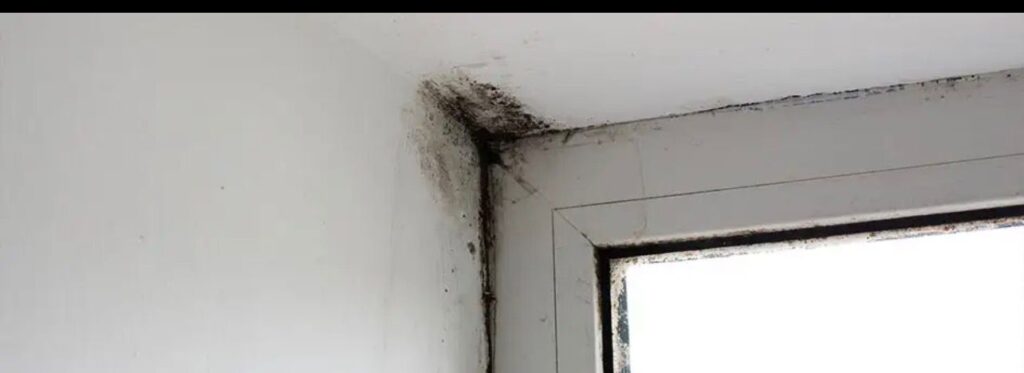
DIY Mold Risks in Viera: What Homeowners in Brevard County Should KnowDo-it-yourself mold removal is a common temptation for homeowners in Viera and throughout Brevard County. Online videos, store-bought sprays, and home remedies often promise fast and inexpensive solutions. In Florida’s humid climate, however, DIY mold cleanup frequently makes the problem worse rather than better. Understanding the risks associated with DIY mold removal is critical to protecting your home, health, and finances.⸻Why DIY Mold Removal Is Popular in VieraMany homeowners attempt DIY mold cleanup because the problem appears minor at first. Small spots on bathroom walls, closets, or air vents may look manageable. Cost concerns also play a role, as professional remediation can seem expensive compared to household cleaners.In Viera, newer homes with tight construction and constant air conditioning can trap moisture inside walls, attics, and HVAC systems. This allows mold to grow in hidden areas, even when visible growth appears limited. DIY methods rarely address these concealed conditions.⸻Mold Grows Faster Than Most Homeowners RealizeMold can begin growing within 24 to 48 hours of moisture exposure. Florida’s warm temperatures and high humidity accelerate this process. A small leak, condensation issue, or minor flooding event can quickly lead to widespread contamination.DIY cleanup often focuses only on visible mold. Scrubbing surface growth without resolving moisture sources allows mold colonies behind walls, under flooring, or inside insulation to continue spreading unseen.⸻Common DIY Mold Removal MistakesMany DIY mold efforts fail due to common mistakes, including:Using bleach on porous materials such as drywall, wood, or insulationPainting over mold-stained areas without removing contaminationScrubbing mold without containment or protective equipmentFailing to dry the area completely after cleaningIgnoring the source of moistureBleach may discolor mold but does not penetrate porous surfaces. Moisture remains trapped, allowing mold to return quickly. Scrubbing can release spores into the air, spreading contamination to other rooms.⸻Health Risks of DIY Mold CleanupMold exposure affects individuals differently, but improper cleanup increases health risks for everyone in the home. Without proper containment and filtration, spores become airborne and are easily inhaled.Potential health effects include:Respiratory irritation and coughingNasal congestion and sinus problemsEye irritation and headachesSkin rashesWorsening asthma or allergy symptomsPeople with asthma, allergies, compromised immune systems, children, and elderly individuals are particularly vulnerable. DIY cleanup often lacks personal protective equipment and air control measures needed to reduce exposure.⸻Cross-Contamination Throughout the HomeOne of the biggest risks of DIY mold removal is cross-contamination. When mold is disturbed without containment, spores travel through the air and settle in clean areas.HVAC systems can distribute spores throughout the home, leading to mold growth in new locations weeks or months later. What started as a small patch in one room can become a whole-house problem.⸻Structural Damage from Incomplete CleanupMold feeds on organic materials commonly found in homes, including drywall paper, wood framing, insulation, and subflooring. DIY methods rarely remove mold that has penetrated these materials.Over time, untreated mold weakens structural components. Floor joists, wall studs, and roof framing may deteriorate slowly, leading to costly repairs that could have been prevented with proper remediation.⸻Insurance and Liability ConcernsDIY mold cleanup can create insurance complications. If mold returns or spreads, insurance companies may deny claims by citing improper repairs or failure to mitigate damage correctly.In resale situations, evidence of previous mold that was improperly treated can raise red flags during inspections. Homebuyers may request price reductions or walk away entirely if remediation was not professionally documented.⸻When DIY Mold Cleanup Is Not AppropriateDIY mold removal is not recommended when:Mold covers more than a small surface areaMold is present in HVAC systems, attics, or crawl spacesThere is a history of water damage or leaksMold has returned after previous cleaningMusty odors persist even after cleaningIn these situations, surface cleaning does not resolve the underlying problem and often delays proper treatment.⸻What Professional Mold Remediation Does DifferentlyProfessional remediation focuses on both mold removal and moisture control. Trained professionals use containment barriers, negative air pressure, and HEPA filtration to prevent spore spread.Professional remediation typically includes:Identifying and correcting moisture sourcesContaining affected areasRemoving contaminated materials when necessaryCleaning and treating salvageable surfacesDrying the structure thoroughlyVerifying that conditions no longer support mold growthThis process addresses the root cause rather than just visible symptoms.⸻Moisture Control Is the Real SolutionIn Viera, mold prevention depends heavily on moisture management. High humidity, frequent rain, and constant air conditioning create ideal mold conditions if moisture is not controlled properly.Effective prevention includes:Maintaining indoor humidity levelsRepairing leaks immediatelyEnsuring proper ventilation in bathrooms and kitchensMonitoring HVAC systems for condensationInspecting attics, crawl spaces, and utility roomsWithout moisture control, any mold cleanup, DIY or professional, is likely to fail.⸻Cost Comparison: DIY vs Long-Term DamageDIY mold cleanup may seem inexpensive initially, but repeated failures often lead to higher long-term costs. Recurring mold growth, structural damage, insurance disputes, and reduced home value can far exceed the cost of proper remediation.Early professional intervention often limits damage and reduces overall expenses by preventing widespread contamination.⸻Mold Risks in Newer Viera HomesMany homeowners assume newer construction is immune to mold. In reality, tightly sealed homes with high-efficiency insulation can trap moisture more easily. Construction moisture, poor ventilation design, or HVAC issues can lead to mold growth behind walls or ceilings.DIY cleanup rarely detects these hidden conditions, allowing mold to persist unnoticed.⸻Final ThoughtsDIY mold removal in Viera carries significant risks that many homeowners underestimate. Surface cleaning methods do not address hidden mold, moisture sources, or air contamination. In Brevard County’s humid climate, improper cleanup often leads to recurring mold, health concerns, and costly structural damage.Understanding when DIY methods are insufficient and addressing moisture problems correctly are essential steps in protecting your home. Mold problems rarely resolve themselves, and early, informed action is the best defense against long-term consequences.