
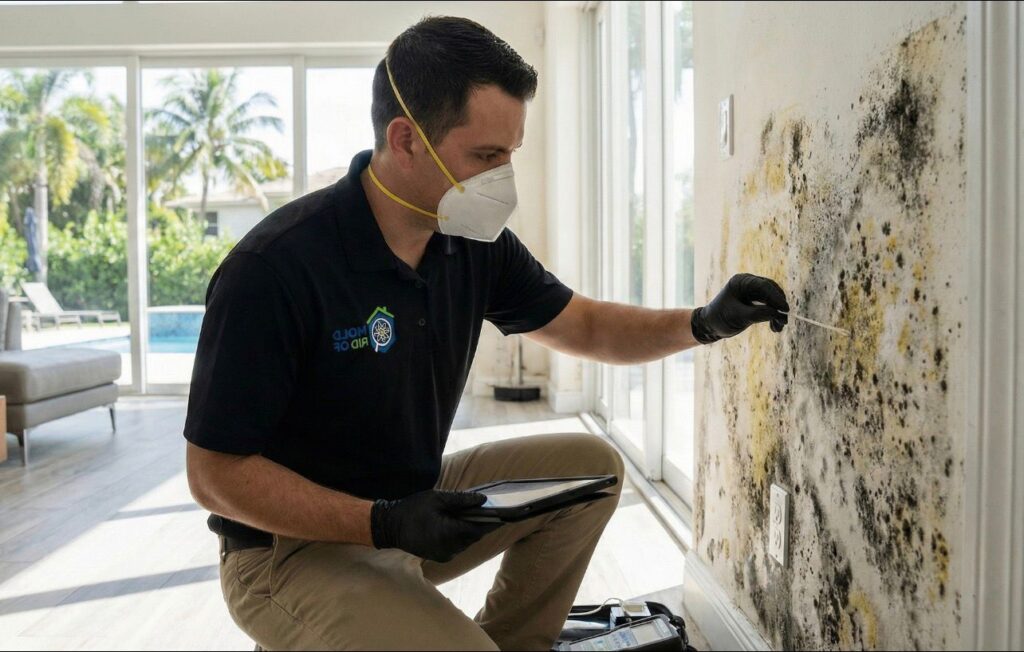
Mold FAQs in Satellite Beach: What Homeowners in Brevard County Should KnowMold is a common concern for homeowners in Satellite Beach due to the area’s coastal location, high humidity, frequent storms, and year-round warm temperatures. Many homeowners have questions about how mold develops, where it hides, how it affects health, and what steps are necessary to prevent or address it properly. This FAQ-style guide answers the most common mold questions specific to Satellite Beach and Brevard County homes.⸻What Is Mold and Why Is It So Common in Satellite Beach?Mold is a type of fungus that grows in damp environments. It reproduces through microscopic spores that travel through the air and settle on moist surfaces. In Satellite Beach, mold is common because humidity levels are consistently high and homes are frequently exposed to salt air, rain, and storm-related moisture. When moisture combines with organic materials such as drywall, wood, insulation, or carpet, mold can begin growing quickly.⸻How Fast Can Mold Grow in a Home?Mold can begin growing within 24 to 48 hours after moisture exposure. In Florida’s climate, this process can happen even faster. A small plumbing leak, roof intrusion, or condensation issue can quickly turn into visible mold growth if the area is not dried properly.⸻Where Does Mold Commonly Grow in Satellite Beach Homes?Mold often grows in areas with poor ventilation or hidden moisture. Common locations include:Bathrooms and shower areasKitchens, especially under sinksLaundry roomsHVAC systems and air handlersAttics and crawl spacesBehind walls after plumbing or roof leaksUnder flooring or carpetBecause mold frequently grows out of sight, visible mold often indicates a larger hidden problem.⸻Does Salt Air Increase Mold Risk?Yes. Salt air can contribute to mold growth indirectly. Coastal air accelerates corrosion of metal components and can degrade seals around windows, doors, and roofs. This allows moisture intrusion that creates favorable conditions for mold. Salt air also increases condensation on surfaces, especially in air-conditioned homes.⸻What Are the Signs of Mold in a Home?Common signs of mold include:Musty or earthy odorsVisible staining or discoloration on walls or ceilingsPeeling paint or bubbling drywallPersistent allergy or respiratory symptoms indoorsCondensation on windows or ventsWater stains that do not dry outNot all mold is visible. Odors and moisture problems are often early warning signs.⸻Is All Mold Dangerous?Not all mold is considered toxic, but all indoor mold growth can negatively impact indoor air quality. Some people are more sensitive to mold exposure than others. Even non-toxic mold can cause irritation, allergic reactions, and respiratory symptoms when present in sufficient amounts.⸻What Health Symptoms Are Associated With Mold Exposure?Health effects vary by individual, exposure level, and duration. Common symptoms reported by homeowners include:Sneezing and nasal congestionCoughing or throat irritationEye irritation and headachesSkin rashesWorsening asthma or allergy symptomsChildren, elderly individuals, and people with respiratory conditions may experience more severe effects.⸻Can Mold Spread Through the HVAC System?Yes. Mold spores can circulate through ductwork if mold is present near air handlers, vents, or return ducts. This can distribute spores throughout the home and cause mold to appear in multiple rooms. HVAC-related mold issues are common in Satellite Beach due to constant air conditioning use and condensation.⸻Will Bleach Kill Mold?Bleach may discolor mold on non-porous surfaces, but it does not effectively eliminate mold on porous materials such as drywall, wood, or insulation. Bleach also does not address the moisture source. Mold often returns quickly after bleach cleaning if conditions remain damp.⸻When Is DIY Mold Cleanup Acceptable?DIY cleanup may be acceptable for very small areas on non-porous surfaces if the moisture source has been completely resolved. However, DIY methods are not recommended when mold covers a large area, returns after cleaning, involves HVAC systems, or follows water damage. Improper cleaning can spread spores and worsen contamination.⸻Should Mold Be Tested?Mold testing is not always necessary. Visible mold and moisture problems are often enough to justify remediation. Testing may be useful when the source is unclear, when documentation is needed for insurance or real estate transactions, or when health concerns are involved.⸻How Is Mold Professionally Removed?Professional mold remediation focuses on removing mold and correcting moisture problems. The process typically includes:Inspecting and identifying moisture sourcesContaining affected areasUsing HEPA filtration to control airborne sporesRemoving contaminated materials when necessaryCleaning and treating remaining surfacesDrying the structure thoroughlyEffective remediation always addresses the cause of moisture, not just visible mold.⸻Does Homeowners Insurance Cover Mold?Insurance coverage for mold depends on the cause. Mold resulting from sudden and accidental water damage may be covered, while mold caused by long-term leaks, humidity, or poor maintenance is often excluded. Coverage limits are common. Homeowners should review their policies carefully.⸻How Can Homeowners Prevent Mold in Satellite Beach?Prevention focuses on moisture control. Key steps include:Repairing leaks promptlyMaintaining proper ventilationRunning air conditioning consistentlyKeeping indoor humidity controlledInspecting attics, crawl spaces, and HVAC systemsEnsuring drainage moves water away from the homeRegular inspections are especially important after storms or heavy rain.⸻Can Newer Homes Have Mold Problems?Yes. Newer homes can experience mold due to trapped construction moisture, airtight building designs, or HVAC issues. Tight construction without proper moisture management can actually increase mold risk.⸻Does Mold Affect Home Value?Mold can impact resale value, especially if remediation is incomplete or poorly documented. Buyers and inspectors often view mold as a red flag. Proper remediation and moisture correction help protect property value.⸻When Should a Professional Be Contacted?Professional evaluation is recommended when mold is widespread, recurring, hidden, or associated with water damage. Persistent odors, health complaints, or moisture problems also warrant professional assessment.⸻Final ThoughtsMold is a common but manageable issue for homeowners in Satellite Beach. The coastal environment creates constant moisture challenges, making prevention and early detection essential. Understanding how mold forms, where it hides, and how to address it properly helps protect indoor air quality, structural integrity, and long-term property value. Consistent moisture control and timely action are the most effective defenses against mold in Brevard County homes.