
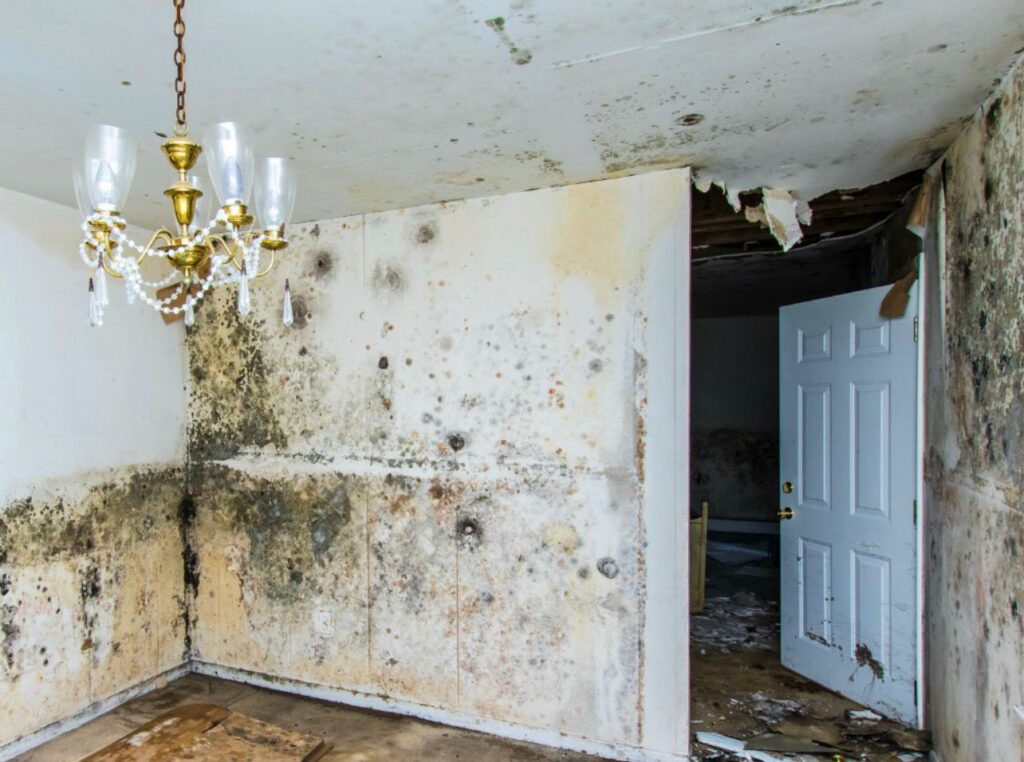
Humidity and Mold in Indian Harbour Beach: What Homeowners in Brevard County Should KnowHumidity is one of the biggest drivers of mold problems in Indian Harbour Beach. Located directly along Florida’s Space Coast, this community experiences persistent moisture from ocean air, frequent rain, and year-round warm temperatures. For homeowners in Brevard County, understanding the direct connection between humidity and mold growth is essential to protecting indoor air quality, home structures, and long-term property value.⸻Why Humidity Levels Are So High in Indian Harbour BeachIndian Harbour Beach sits between the Atlantic Ocean and the Banana River, exposing homes to constant moisture from both directions. Coastal breezes carry humid air inland, and salt air increases condensation on building surfaces. Even when it is not raining, relative humidity levels often remain high throughout the day and night.Air conditioning helps cool homes but can also contribute to humidity issues if systems are improperly sized, poorly maintained, or shut off for long periods. When warm, humid air enters a cooled home, moisture condenses on walls, windows, ductwork, and other surfaces, creating ideal conditions for mold.⸻How Humidity Leads to Mold GrowthMold spores are naturally present in outdoor and indoor air. Humidity becomes a problem when moisture lingers long enough for spores to settle and grow on organic materials. In Indian Harbour Beach homes, mold commonly grows when indoor humidity stays above recommended levels for extended periods.High humidity affects homes by:Allowing condensation to form on cool surfacesKeeping materials damp instead of drying outTrapping moisture inside walls and ceilingsPreventing natural evaporation in shaded or enclosed areasOnce moisture is present, mold can begin growing within 24 to 48 hours.⸻Areas Most Affected by Humidity-Related MoldCertain areas of homes in Indian Harbour Beach are especially vulnerable to humidity-driven mold growth.Bathrooms often trap steam from showers and baths, especially when exhaust fans are weak or unused. Kitchens generate moisture from cooking and dishwashing, which can collect under sinks or inside cabinets. HVAC systems are a major concern, as condensation on air handlers, ducts, and vents can drip onto surrounding materials.Attics and crawl spaces experience humid air intrusion through vents and gaps, while closets and storage areas suffer from poor airflow that allows moisture to linger. Windows and sliding glass doors often show condensation, signaling elevated indoor humidity.⸻Signs That Humidity Is Causing Mold ProblemsHomeowners may notice warning signs before visible mold appears. Common indicators include:Musty or damp odors indoorsCondensation on windows, walls, or ventsPeeling paint or bubbling drywallWarped wood or swollen baseboardsPersistent dampness in closets or cabinetsRecurring allergy or respiratory symptoms indoorsVisible mold growth often means humidity has been high for an extended period.⸻Health Effects of Humidity-Related MoldMold affects individuals differently depending on sensitivity, exposure level, and duration. Even small amounts of mold can impact indoor air quality when humidity remains high.Reported symptoms include:Sneezing and nasal congestionCoughing or throat irritationEye irritation and headachesSkin rashesWorsening asthma or allergy symptomsChildren, elderly individuals, and people with respiratory conditions are particularly vulnerable in humid environments.⸻Why Coastal Homes Face Higher Mold RiskIndian Harbour Beach homes face unique challenges compared to inland properties. Salt air accelerates wear on seals, caulking, and metal components, allowing moisture intrusion. Coastal winds drive humid air into small openings around windows, doors, and rooflines.Frequent storms and heavy rain increase moisture load around foundations, roofs, and walls. Even without visible leaks, elevated humidity can slowly saturate building materials, creating hidden mold growth behind walls or above ceilings.⸻HVAC Systems and Humidity ControlAir conditioning systems play a critical role in humidity control. Systems that are oversized may cool the home too quickly without removing enough moisture. Undersized or poorly maintained systems may struggle to keep humidity down during peak summer months.Dirty coils, clogged drain lines, or poorly insulated ductwork can all contribute to excess moisture. Condensation dripping from HVAC components often leads to mold growth in surrounding areas.Regular HVAC maintenance is essential for managing humidity and preventing mold.⸻DIY Humidity Control LimitationsSome homeowners attempt to manage humidity with portable dehumidifiers or by opening windows for airflow. While these steps may provide temporary relief, they often fail to address underlying issues in coastal environments.Opening windows frequently allows humid outdoor air inside. Small dehumidifiers may not handle whole-home moisture loads. Without identifying and correcting moisture sources, humidity problems often persist.⸻Professional Assessment of Humidity and MoldProfessional inspections focus on identifying moisture sources and areas where humidity remains elevated. Tools such as moisture meters, hygrometers, and thermal imaging help locate condensation, hidden dampness, and airflow issues.Professional evaluations often reveal problems in attics, crawl spaces, wall cavities, or HVAC systems that are not visible during routine homeowner inspections.⸻Preventing Humidity-Driven Mold in Indian Harbour BeachPrevention centers on consistent moisture control.Effective strategies include:Maintaining indoor humidity at recommended levelsRunning air conditioning consistentlyEnsuring bathroom and kitchen exhaust fans work properlySealing gaps around windows, doors, and roof penetrationsInsulating ductwork and air handlersInspecting attics, crawl spaces, and utility rooms regularlyAddressing leaks immediately, no matter how smallAfter storms or periods of heavy rain, homeowners should inspect for moisture intrusion even if no damage is immediately visible.⸻Humidity, Mold, and Property ValueHomes with chronic humidity and mold problems often face reduced property value. Buyers and inspectors are cautious of coastal homes with signs of moisture damage. Poor documentation, incomplete repairs, or recurring mold issues can delay sales or reduce offers.Proper moisture control, documented maintenance, and professional remediation when needed help protect long-term investment value.⸻Final ThoughtsHumidity is a constant reality for homeowners in Indian Harbour Beach, but mold does not have to be. Understanding how moisture moves through coastal homes, recognizing early warning signs, and taking proactive steps to control humidity are essential in Brevard County’s climate. Mold thrives when humidity is ignored, but with consistent monitoring, maintenance, and proper moisture management, homeowners can protect indoor air quality, structural integrity, and long-term home value in this coastal community.