
Mold in HVAC Systems in Titusville: What Homeowners in Brevard County Should Know
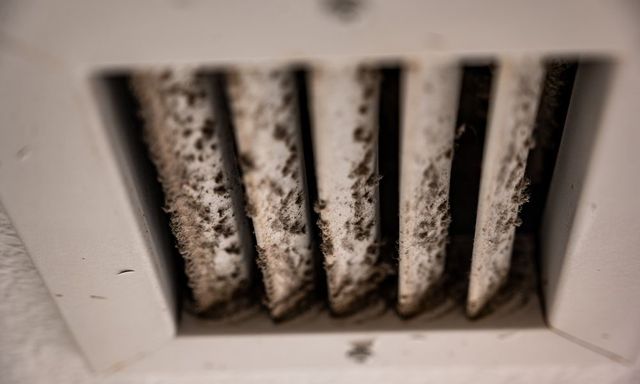
Mold in HVAC systems is one of the most serious and often overlooked problems homeowners face in Titusville and across Brevard County. Because HVAC systems circulate air throughout the entire home, mold growth inside ductwork, air handlers, or vents doesn’t stay contained — it spreads spores into every room.
In Florida’s humid climate, HVAC systems are especially vulnerable to mold. Understanding how mold develops inside HVAC systems, the health risks involved, and what homeowners should do when it’s suspected is critical for protecting indoor air quality and overall health.
Why HVAC Mold Is Common in Titusville Homes
Titusville’s environment creates ideal conditions for HVAC-related mold growth:
- High year-round humidity
- Frequent use of air conditioning
- Condensation inside air handlers
- Clogged or slow AC drain lines
- Poor airflow in ductwork
- Dust buildup inside vents
- Warm temperatures even indoors
When moisture combines with dust inside HVAC systems, mold spores can settle and multiply quickly.
How Mold Develops Inside HVAC Systems
HVAC systems naturally produce moisture as warm air passes over cold coils. Problems arise when that moisture doesn’t drain or dry properly.
Common causes include:
- Condensation buildup on evaporator coils
- Standing water in drain pans
- Blocked AC drain lines
- Poor insulation around ducts
- High indoor humidity levels
- Systems that run constantly without proper maintenance
Once mold takes hold inside the system, spores are pushed through the home every time the AC runs.
Signs of Mold in Your HVAC System
Mold in HVAC systems often reveals itself indirectly. Warning signs include:
- Musty odors when the AC turns on
- Allergy or respiratory symptoms that worsen indoors
- Dusty or dirty vents
- Visible mold around vents or registers
- Condensation around air vents
- Mold returning after surface cleaning
Because HVAC mold is hidden, homeowners may experience symptoms long before seeing visible growth.
Health Risks of HVAC Mold Exposure
HVAC mold poses a greater health risk than surface mold because of constant air circulation.
Potential health effects include:
- Sneezing or coughing
- Nasal congestion
- Eye or throat irritation
- Headaches
- Fatigue
- Worsened asthma or allergies
Children, seniors, and people with respiratory conditions are especially vulnerable to mold exposure through HVAC systems.
Why HVAC Mold Spreads So Easily
Unlike mold in one isolated area, HVAC mold spreads spores:
- Through every room
- Into carpets, furniture, and clothing
- Through return vents and air handlers
- Continuously, as long as the system runs
This makes HVAC mold one of the fastest ways for mold to contaminate an entire home.
Why DIY Cleaning Doesn’t Solve HVAC Mold
Many homeowners attempt to fix HVAC mold by:
- Cleaning vent covers
- Replacing air filters
- Using sprays or foggers
While these steps may reduce odors temporarily, they do not address mold inside ductwork or air handlers.
DIY risks include:
- Spreading spores further
- Missing hidden contamination
- Damaging HVAC components
- Worsening indoor air quality
HVAC mold requires professional assessment and proper remediation.
How Professionals Address Mold in HVAC Systems
Professional HVAC mold remediation typically includes:
- Inspecting air handlers, coils, and ductwork
- Identifying moisture sources
- Cleaning or removing contaminated components
- HEPA air filtration during cleanup
- Treating affected areas safely
- Correcting drainage or humidity issues
- Verifying clean airflow after remediation
In some cases, duct cleaning or replacement may be necessary.
Does Insurance Cover HVAC Mold in Titusville?
Insurance coverage depends on the cause of the mold.
Mold may be covered if it results from a sudden, accidental event such as:
- AC system malfunction
- Sudden drain line failure
- Storm-related damage affecting HVAC components
Mold is typically not covered when caused by:
- Poor maintenance
- Long-term humidity issues
- Gradual condensation buildup
Proper documentation and professional evaluation are important for any potential claim.
Preventing Mold in HVAC Systems
Homeowners can reduce HVAC mold risk by:
- Replacing air filters regularly
- Scheduling routine AC maintenance
- Keeping drain lines clear
- Running dehumidifiers year-round
- Keeping indoor humidity below 55%
- Ensuring ducts are properly insulated
- Addressing condensation immediately
Consistent maintenance is key in Brevard County’s climate.
When to Call a Professional Immediately
Professional help is strongly recommended if:
- Musty odors come from vents
- Health symptoms worsen when AC runs
- Visible mold appears around vents
- Mold returns after cleaning
- The home experienced water damage
- HVAC components show moisture buildup
Early intervention prevents whole-home contamination.
Long-Term Risks of Ignoring HVAC Mold
Ignoring mold in HVAC systems can lead to:
- Chronic indoor air quality issues
- Ongoing health problems
- Mold spreading throughout the home
- Damage to HVAC components
- Reduced system efficiency
- Expensive repairs or replacement
Because HVAC systems affect every room, mold problems escalate quickly.
Conclusion
Mold in HVAC systems is a serious concern for homeowners in Titusville and Brevard County, especially due to constant humidity and heavy AC use. When mold develops inside ductwork or air handlers, it doesn’t stay hidden — it circulates throughout the home, affecting air quality and health.
By recognizing early warning signs, maintaining HVAC systems properly, and seeking professional help when needed, homeowners can protect their indoor air and prevent widespread mold contamination. When it comes to HVAC mold, early action makes a major difference.