
Mold in Bathrooms in Rockledge: What Homeowners in Brevard County Should Know
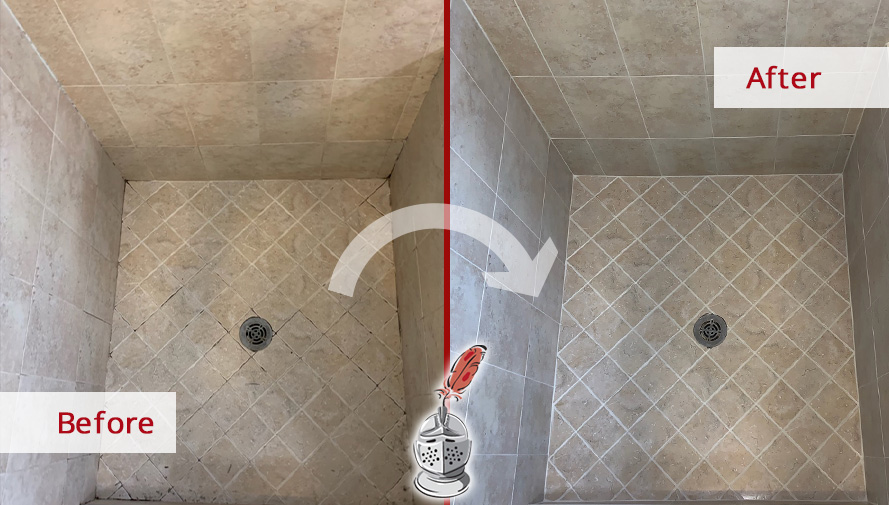
Bathrooms are one of the most common places for mold growth in homes across Rockledge and Brevard County. Daily showers, steam, poor ventilation, and Florida’s naturally high humidity create the perfect environment for mold to thrive — often faster than homeowners realize.
While bathroom mold may start as a cosmetic issue on grout or caulk, it can quickly turn into a hidden moisture and air quality problem if left untreated. Understanding why mold forms in bathrooms, where it hides, and how to prevent it is essential for protecting both your home and your health.
Why Bathrooms Are Mold Hotspots in Rockledge
Rockledge’s warm, humid climate makes bathrooms especially vulnerable to mold. Common contributing factors include:
- Frequent steam from showers and baths
- High indoor humidity year-round
- Inadequate or unused exhaust fans
- Poor airflow
- Leaky plumbing behind walls
- Wet surfaces that don’t dry properly
When moisture lingers, mold spores already present in the air can begin growing within 24 to 48 hours.
Common Places Mold Grows in Bathrooms
Bathroom mold isn’t always obvious at first. In Rockledge homes, it commonly appears in:
- Shower grout and tile lines
- Caulking around tubs and sinks
- Ceiling corners above showers
- Under sinks and vanities
- Behind toilets
- Around exhaust fan covers
- Behind drywall near plumbing lines
Visible mold is often just a sign of more moisture hidden behind surfaces.
Hidden Bathroom Mold Is a Bigger Problem Than You Think
Bathrooms often hide mold in places homeowners don’t see, such as:
- Inside walls behind showers
- Beneath flooring near tubs or toilets
- Inside cabinets exposed to plumbing leaks
- Above ceilings where steam accumulates
Because bathrooms are small, moisture can build up quickly and spread into adjacent walls and rooms.
Health Effects of Bathroom Mold
Bathroom mold can negatively affect indoor air quality and health, especially with repeated exposure.
Common symptoms include:
- Sneezing or coughing
- Nasal congestion
- Eye or throat irritation
- Headaches
- Skin irritation
- Worsened asthma or allergies
Children, seniors, and individuals with respiratory conditions are particularly sensitive to mold exposure.
Why Bleach and DIY Cleaning Often Don’t Work
Many homeowners try to manage bathroom mold with bleach or store-bought cleaners. While these products may remove surface stains, they often fail to solve the real problem.
DIY cleanup issues include:
- Mold roots remaining in porous materials
- Moisture problems not being addressed
- Spores spreading during scrubbing
- Mold returning quickly in humid conditions
In Brevard County’s climate, bathroom mold almost always comes back if moisture control isn’t improved.
Plumbing Leaks Make Bathroom Mold Worse
Even small leaks can fuel serious mold growth.
Common leak sources include:
- Loose sink connections
- Slow toilet leaks
- Shower pan failures
- Cracked grout or tile
- Aging plumbing inside walls
Long-term leaks often cause mold to grow behind walls, where it can spread unnoticed.
Does Homeowners Insurance Cover Bathroom Mold?
Insurance coverage depends on what caused the mold.
Mold may be covered if it resulted from a sudden, accidental event such as:
- A burst pipe
- Sudden plumbing failure
Mold is usually not covered if caused by:
- Long-term leaks
- High humidity
- Poor ventilation
- Lack of maintenance
Prompt documentation and professional evaluation are important if insurance may be involved.
Preventing Mold in Bathrooms
Bathroom mold prevention in Rockledge starts with moisture control and airflow.
Effective prevention steps include:
- Running exhaust fans during and after showers
- Leaving bathroom doors open to improve airflow
- Drying wet surfaces after use
- Repairing leaks immediately
- Resealing grout and caulk as needed
- Keeping indoor humidity below 55%
- Using dehumidifiers if necessary
Ventilation is one of the most important — and most overlooked — prevention tools.
When Bathroom Mold Requires Professional Help
Professional help is recommended if:
- Mold keeps returning after cleaning
- Mold covers a large area
- You smell mold but can’t see it
- Mold follows plumbing leaks
- Health symptoms worsen indoors
- Mold appears on ceilings or walls
These signs often indicate hidden mold or ongoing moisture problems.
Long-Term Risks of Ignoring Bathroom Mold
Ignoring bathroom mold can lead to:
- Hidden structural damage
- Mold spreading into walls and floors
- Persistent odors
- Poor indoor air quality
- Increased remediation costs later
Bathrooms are small spaces, but mold problems can spread far beyond them.
Conclusion
Mold in bathrooms is a common issue for homeowners in Rockledge and Brevard County, but it shouldn’t be ignored. What starts as surface mold on tile or caulk often points to deeper moisture problems that can affect indoor air quality and health.
By improving ventilation, controlling humidity, fixing leaks promptly, and taking early action when mold appears, homeowners can prevent small bathroom mold issues from becoming major problems. In Florida’s climate, consistent moisture control is the key to keeping bathrooms mold-free.