
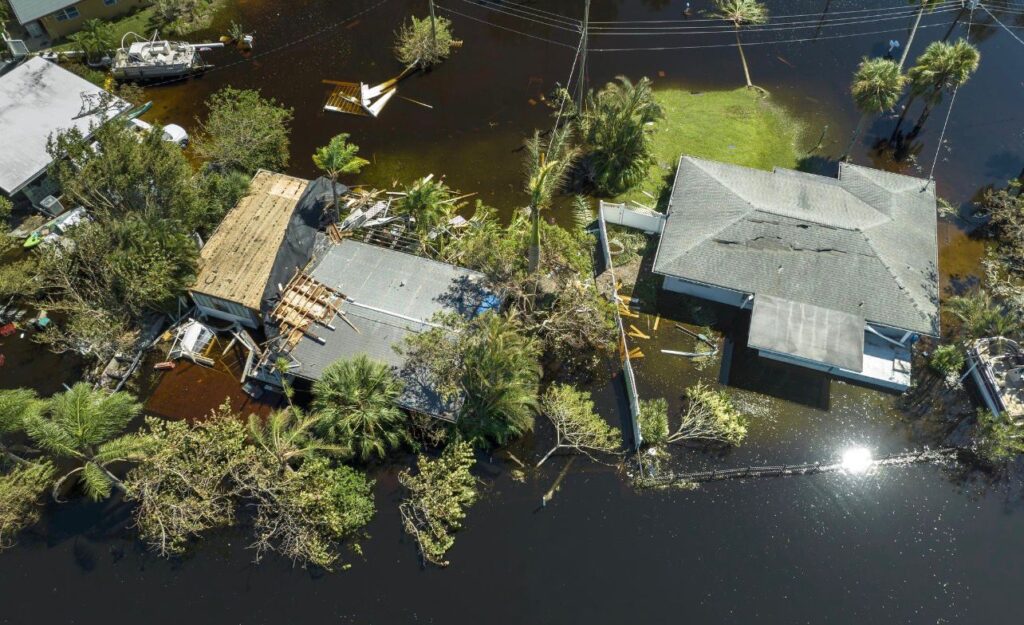
Mold After Hurricanes in Cape Canaveral: What Homeowners in Brevard County Should KnowHurricanes are a fact of life for homeowners in Cape Canaveral and throughout Brevard County. While wind damage is often the most visible impact, mold growth after hurricanes is one of the most costly and long-lasting problems coastal homeowners face. Heavy rain, storm surge, flooding, roof damage, and extended power outages create ideal conditions for mold to grow rapidly inside homes. Understanding how mold develops after hurricanes and how to respond properly is critical for protecting both your property and your health.⸻Why Hurricanes Lead to Mold Problems in Cape CanaveralCape Canaveral’s low elevation, proximity to the Atlantic Ocean, and exposure to storm surge make it especially vulnerable during hurricanes. Even storms that do not cause major structural damage can introduce large amounts of moisture into homes.Common hurricane-related moisture sources include: • Wind-driven rain entering through damaged roofs or siding • Flooding from storm surge or heavy rainfall • Water intrusion around windows, doors, and foundations • HVAC shutdowns leading to uncontrolled indoor humidity • Saturated insulation, drywall, and flooringMold can begin growing within 24 to 48 hours after moisture exposure. In Florida’s heat and humidity, this timeline is often even shorter.⸻Hidden Moisture After StormsOne of the biggest dangers after hurricanes is hidden moisture. Even when standing water is removed quickly, moisture can remain trapped inside walls, ceilings, insulation, and flooring. Homes may appear dry on the surface while materials behind walls remain damp for days or weeks.Saltwater intrusion adds another layer of risk. Salt residues attract moisture from the air, keeping materials damp long after floodwaters recede. This ongoing moisture creates ideal conditions for mold growth and structural deterioration.⸻Common Areas Where Mold Develops After HurricanesAfter hurricanes, mold is commonly found in:Drywall and wall cavities exposed to rain or floodingCarpet, padding, and subflooring soaked by floodwaterAttics where roof damage allows rain intrusionHVAC systems affected by power loss or water exposureCrawl spaces with standing water or saturated soilCabinets, closets, and storage areas with poor airflowBecause mold often grows out of sight, visible mold usually indicates more extensive hidden contamination.⸻Health Risks of Post-Hurricane MoldMold exposure following hurricanes can pose serious health concerns. Disturbed mold spores become airborne during cleanup and repairs, increasing exposure risks.Common symptoms reported after storm-related mold exposure include:Coughing and throat irritationNasal congestion and sinus infectionsEye irritation and headachesSkin rashesWorsening asthma or respiratory conditionsChildren, elderly individuals, and people with compromised immune systems are particularly vulnerable during post-hurricane cleanup periods.⸻Why Delays Make Mold Problems WorseAfter hurricanes, many homeowners focus on visible repairs first. Delays in drying and moisture control allow mold to spread rapidly. Power outages compound the problem by preventing air conditioning and dehumidification.Insurance policies often require homeowners to take reasonable steps to prevent further damage. Delaying drying or cleanup can result in claim disputes if mold damage worsens due to inaction.⸻Insurance Considerations After HurricanesMold coverage after hurricanes depends largely on the source of water damage. Flood insurance may apply if damage results from storm surge or rising water, while homeowners insurance may apply to wind-driven rain or roof damage.However, many policies limit or exclude mold coverage, especially when mold results from delayed mitigation or long-term moisture issues. Documentation is critical.Homeowners should:Photograph all damage immediatelyDocument water intrusion sourcesKeep records of drying and mitigation effortsReport damage promptlyProfessional inspections can help establish timelines and identify hidden moisture that supports insurance claims.⸻DIY Cleanup Risks After HurricanesMany homeowners attempt DIY cleanup after storms to save time or money. However, hurricane-related mold cleanup is especially risky.Common DIY mistakes include:Removing moldy materials without containmentUsing bleach on porous materialsFailing to dry structural components thoroughlyRunning fans that spread spores throughout the homeImproper cleanup can spread mold spores, worsen contamination, and increase health risks. Floodwater-contaminated materials often require removal rather than cleaning.⸻Professional Mold Remediation After HurricanesProfessional remediation focuses on both mold removal and moisture correction. After hurricanes, this process is often more extensive due to widespread moisture intrusion.Professional remediation may include:Moisture mapping to identify hidden damp areasContainment to prevent spore spreadRemoval of contaminated drywall, insulation, and flooringHEPA filtration to clean indoor airStructural drying with commercial equipmentAddressing roof, HVAC, and drainage issuesThis comprehensive approach reduces the risk of mold returning once repairs are complete.⸻The Role of HVAC Systems After StormsHVAC systems are particularly vulnerable after hurricanes. Power outages allow humidity to rise quickly, while flooding or roof leaks can introduce water into air handlers and ductwork.Condensation and moisture inside HVAC systems can distribute mold spores throughout the home once the system is restarted. HVAC inspections and cleaning are often necessary after storm-related water exposure.⸻Preventing Mold After Future HurricanesWhile hurricanes cannot be prevented, mold damage can often be reduced with preparation and fast response.Preventive steps include:Sealing roof penetrations and maintaining flashingInstalling hurricane-rated windows and doorsKeeping gutters and drainage systems clearUsing generators or temporary power for drying when safeInspecting attics, walls, and floors immediately after stormsBeginning drying within 24 hours of water exposureHomes that dry quickly are far less likely to experience severe mold growth.⸻Long-Term Impact on Property ValueHomes with unresolved post-hurricane mold issues often face reduced property value. Buyers, inspectors, and lenders scrutinize properties with storm damage histories. Poorly documented repairs or recurring mold problems can delay sales and reduce offers.Proper remediation, moisture correction, and documentation help preserve long-term value and insurability.⸻Final ThoughtsMold after hurricanes is one of the most serious hidden threats facing homeowners in Cape Canaveral. Florida’s coastal environment, combined with storm surge, heavy rainfall, and power outages, creates ideal conditions for rapid mold growth. Early action, proper drying, and thorough moisture control are essential to limiting damage.Homeowners who understand how mold develops after hurricanes and respond quickly are far more likely to protect their homes, their health, and their investment throughout Brevard County’s storm seasons.