
Mold in Attics in Viera: What Homeowners in Brevard County Should Know
Mold in attics is one of the most common yet least noticed problems homeowners face in Viera and throughout Brevard County. Because attics are out of sight, mold can grow undetected for long periods — often spreading extensively before homeowners realize there’s an issue.
Florida’s heat, humidity, and frequent storms make attics especially vulnerable. Understanding why attic mold develops, how it affects your home and health, and what steps to take can help Viera homeowners avoid costly damage and long-term indoor air quality problems.
Why Attic Mold Is So Common in Viera Homes
Several factors make attic mold a frequent issue in Viera:
- High year-round humidity
- Extreme attic heat creating condensation
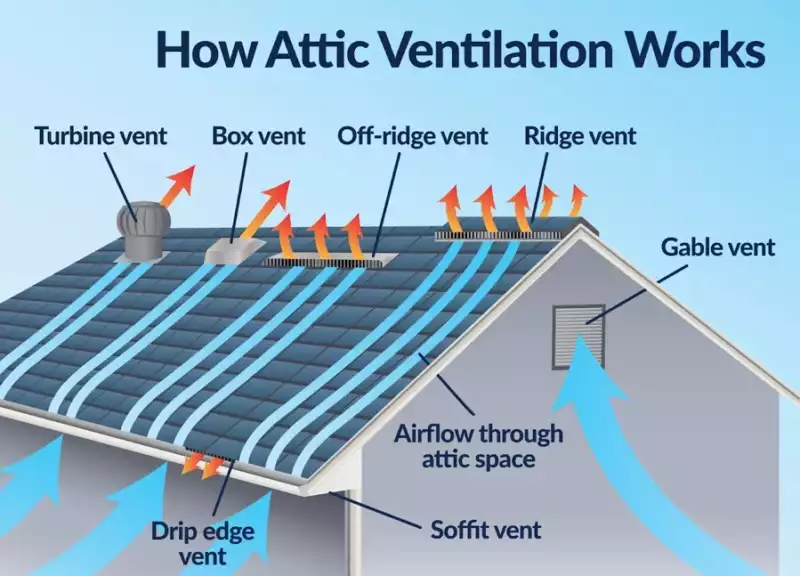
- Poor or unbalanced attic ventilation
- Bathroom or kitchen exhaust fans venting into the attic
- Roof leaks after storms
- Air leaks from living spaces below
- Inadequate insulation
When warm, moist air rises into the attic and can’t escape, moisture settles on cooler surfaces — creating ideal conditions for mold growth.
How Mold Develops in Attics
Attics experience large temperature swings. When warm indoor air meets cooler attic surfaces, condensation forms.
Common triggers include:
- Blocked or insufficient soffit and ridge vents
- Improperly vented bathroom fans
- AC duct leaks
- Roof damage allowing rain intrusion
- Poor air sealing between the home and attic
Once moisture is present, mold can begin growing within 24 to 48 hours, especially in Florida’s climate.
Common Signs of Mold in the Attic
Because attics are rarely inspected, mold often reveals itself indirectly. Warning signs may include:
- Musty odors inside the home
- Allergy or respiratory symptoms that worsen indoors
- Dark staining on attic wood or insulation
- Condensation on attic surfaces
- Mold smells coming from ceiling vents
- Increased indoor humidity
By the time visible mold is discovered, it may already be widespread.
Where Mold Commonly Grows in Attics
In Viera homes, attic mold is most often found on:
- Roof decking and sheathing
- Wooden trusses and rafters
- Insulation surfaces
- Around roof penetrations
- Near bathroom or kitchen vent outlets
- Areas with limited airflow
Mold spreads quickly in attics because heat and humidity are constantly present.
Why Attic Mold Is a Serious Problem
Attic mold doesn’t stay contained. It can:
- Release spores into living spaces
- Degrade indoor air quality
- Spread through HVAC systems
- Weaken wooden structural components
- Lead to costly repairs
- Reduce property value
Because warm air rises, attic mold spores can easily migrate downward into the home.
Health Risks Associated With Attic Mold
Long-term exposure to attic mold can contribute to:
- Sneezing or coughing
- Nasal congestion
- Eye or throat irritation
- Headaches
- Fatigue
- Worsened asthma or allergies
Children, seniors, and individuals with respiratory conditions are especially vulnerable to mold exposure.
Why DIY Attic Mold Cleanup Is Risky
Attempting to clean attic mold without professional training can be dangerous.
DIY risks include:
- Inhaling concentrated mold spores
- Spreading contamination to other areas
- Physical injury in tight attic spaces
- Failing to correct ventilation problems
- Leaving mold roots behind
Without addressing airflow and moisture, mold almost always returns.
How Professionals Address Attic Mold
Professional attic mold remediation typically involves:
- Inspecting ventilation and insulation
- Identifying moisture sources
- Containing affected areas
- Using HEPA air filtration
- Cleaning or removing contaminated materials
- Treating exposed wood surfaces
- Improving attic ventilation and air sealing
- Verifying safe conditions afterward
Correcting moisture and airflow is essential for long-term success.
Does Insurance Cover Attic Mold in Viera?
Insurance coverage depends on what caused the mold.
Mold may be covered if it resulted from:
- Storm-related roof damage
- Sudden water intrusion
Mold is usually not covered when caused by:
- Poor ventilation
- High humidity
- Long-term condensation
- Lack of maintenance
Proper documentation and professional evaluation are critical for any insurance claim.
Preventing Mold in Attics
Homeowners in Viera can reduce attic mold risk by:
- Ensuring proper soffit and ridge ventilation
- Making sure bathroom and kitchen fans vent outdoors
- Sealing air leaks between living spaces and the attic
- Maintaining roof integrity
- Monitoring attic humidity
- Scheduling periodic attic inspections
Balanced ventilation is especially important in Florida homes.
When to Call a Professional
Professional help is strongly recommended if:
- You smell mold but can’t locate it
- Health symptoms worsen indoors
- Dark staining appears on attic wood
- The home experienced roof leaks or storms
- Mold is visible in the attic
Early action can prevent widespread damage and higher remediation costs.
Conclusion
Mold in attics is a hidden but serious concern for homeowners in Viera and Brevard County. Heat, humidity, and ventilation issues allow mold to grow quietly, often affecting indoor air quality long before it’s discovered.
By understanding how attic mold forms and addressing ventilation and moisture problems early, homeowners can protect their health, their home, and their investment. When attic mold is suspected, professional evaluation and remediation are the safest and most effective solutions.