
Mold and Insurance Claims in Cape Canaveral: What Homeowners in Brevard County Should Know
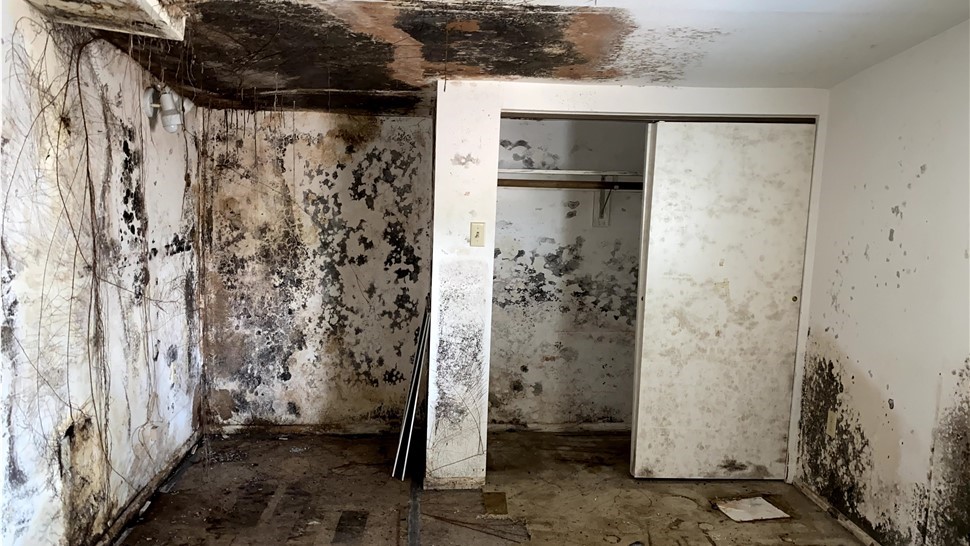
Mold problems are a common reality for homeowners in Cape Canaveral and throughout Brevard County. Coastal humidity, salt air, frequent storms, and heavy AC use create ideal conditions for moisture — and where moisture lingers, mold often follows.
What many homeowners don’t realize is that mold damage and insurance claims are closely tied to timing, documentation, and the cause of the moisture. Filing a claim without understanding how insurers evaluate mold can lead to delays, partial payments, or outright denials.
This guide explains how mold-related insurance claims work in Cape Canaveral, what’s typically covered, what isn’t, and how homeowners can protect their rights.
Why Mold Insurance Claims Are Common in Cape Canaveral
Cape Canaveral homes face unique challenges that increase mold risk:
- Constant coastal humidity
- Wind-driven rain during storms
- Roof and siding damage from hurricanes
- Condensation from air-conditioning systems
- High water tables
- Vacation or seasonal homes left closed
Even when water damage seems minor, moisture can remain trapped inside walls, flooring, and attics — allowing mold to grow quietly.
What Homeowners Insurance May Cover
Insurance coverage for mold depends on what caused the mold, not the mold itself.
Mold may be covered when it results from a sudden and accidental covered event, such as:
- A burst or broken pipe
- Storm-related roof damage
- Wind-driven rain entering the home
- Sudden AC drain line overflow
- Appliance malfunctions
In these cases, insurance may cover:
- Mold inspection related to the loss
- Mold remediation
- Repairs to damaged materials
- Temporary living expenses, if applicable
Coverage limits vary by policy, and many policies cap mold-related payouts.
What Insurance Usually Does Not Cover
Mold claims are commonly denied when mold is linked to:
- Long-term or slow leaks
- High humidity without a sudden event
- Poor maintenance
- Deferred repairs
- Ongoing condensation issues
In coastal Florida, insurers often classify humidity-related mold as a maintenance issue, not a covered loss.
Why Timing Is Critical for Mold Claims
One of the biggest factors in mold claim approval is how quickly the damage is reported.
Insurance companies look closely at:
- When the water damage occurred
- When it was discovered
- How quickly it was reported
- What actions the homeowner took
Delays can lead insurers to argue that mold resulted from neglect rather than a covered event.
How Insurance Companies Investigate Mold Claims
When a mold claim is filed, insurers typically examine:
Cause of Loss
Was the mold caused by a sudden, accidental event or by long-term moisture?
Extent of Damage
How widespread is the mold, and how long has it been present?
Documentation
Photos, videos, repair records, and inspection reports are critical.
Maintenance History
Unrepaired leaks or recurring moisture issues can weaken a claim.
Because mold can grow within 24–48 hours, insurers expect prompt action.
Steps to Take If You Discover Mold
If you find mold in your Cape Canaveral home, take these steps immediately:
- Document everything with photos and videos
- Stop the moisture source if it’s safe to do so
- Do not disturb visible mold unnecessarily
- Contact your insurance company promptly
- Schedule a professional inspection
- Keep records of all communication and repairs
These steps help preserve evidence and protect claim eligibility.
Why DIY Cleanup Can Hurt Insurance Claims
Many homeowners try to clean mold themselves before calling insurance. This often causes problems.
DIY cleanup can:
- Destroy evidence of the moisture source
- Make it harder to prove a sudden event
- Spread mold spores
- Lead to claim denial
Insurers may argue that improper cleanup worsened the damage or eliminated proof of coverage.
Common Claim Scenarios in Cape Canaveral
Storm-Damaged Roof
Wind-driven rain enters through damaged roofing and leads to mold.
✔ Often covered if reported promptly.
AC Drain Line Failure
A sudden overflow causes water damage and mold.
✔ Potentially covered.
Slow Plumbing Leak
A leak under a sink causes mold over months.
✘ Usually denied due to long-term moisture.
Mold Coverage Limits and Endorsements
Many Florida policies include mold sub-limits, meaning coverage may be capped at a lower amount than other damages.
Some homeowners carry additional endorsements that increase mold coverage. Reviewing your policy before problems arise can prevent surprises later.
When Professional Help Is Valuable
Professional involvement can strengthen mold insurance claims by providing:
- Independent moisture source identification
- Detailed inspection reports
- Proper documentation
- Repair and remediation estimates
This information helps support your claim and reduces disputes with insurers.
Preventing Mold-Related Insurance Issues
Homeowners in Cape Canaveral can reduce claim risks by:
- Fixing leaks immediately
- Keeping AC systems maintained
- Running dehumidifiers year-round
- Keeping indoor humidity below 55%
- Inspecting homes after storms
- Documenting maintenance and repairs
Preventive action not only reduces mold risk but strengthens insurance protection.
Long-Term Risks of Ignoring Mold Claims
Failing to address mold properly can lead to:
- Health issues
- Structural damage
- Reduced property value
- More expensive repairs
- Future claim denials
Insurance companies expect homeowners to mitigate damage quickly.
Conclusion
Mold and insurance claims in Cape Canaveral and Brevard County can be complicated — but understanding how coverage works makes a significant difference. Mold is often covered only when it’s tied to a sudden, accidental event and reported promptly.
By acting quickly, documenting thoroughly, avoiding DIY cleanup, and understanding policy limitations, homeowners can protect both their homes and their insurance rights. In coastal Florida, timing and documentation are everything when mold is involved.