
Humidity and Mold in Palm Bay: What Homeowners in Brevard County Should Know
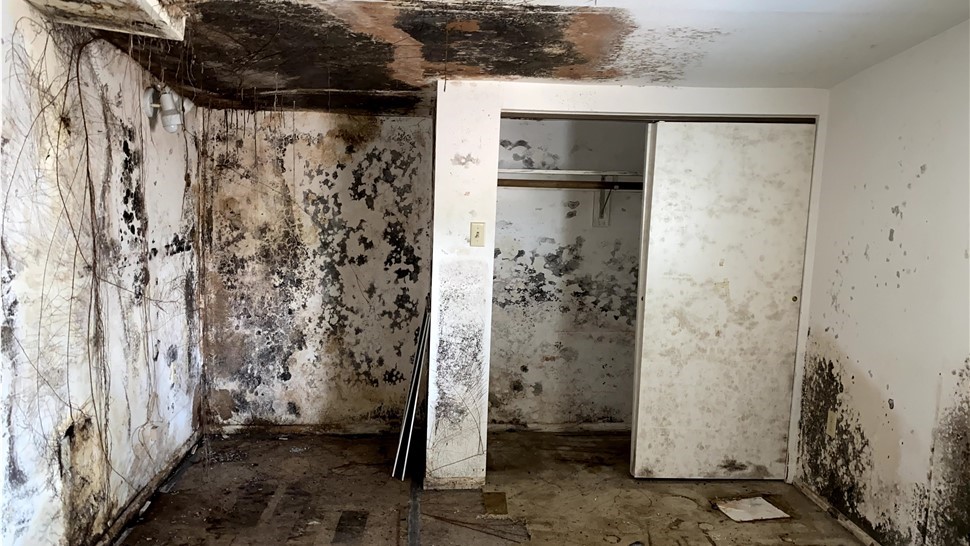
Humidity is one of the biggest drivers of mold growth in homes across Palm Bay and Brevard County. Many homeowners assume mold only follows flooding or obvious leaks, but in Florida’s climate, humidity alone is often enough to cause serious mold problems — even in homes with no visible water damage.
Palm Bay’s warm temperatures, frequent rain, and long humid seasons make moisture control a constant challenge. Understanding how humidity fuels mold growth — and how to manage it — is essential for protecting your home, health, and property value.
Why Humidity Is a Major Mold Problem in Palm Bay
Palm Bay experiences extended periods of high humidity throughout the year. Combined with heavy AC use and frequent storms, moisture can build up indoors quickly.
Common contributors include:
- High outdoor humidity year-round
- Warm air holding more moisture
- Condensation from air-conditioning systems
- Poor ventilation in bathrooms and kitchens
- Slab foundations trapping moisture
- Homes kept closed for long periods
When indoor humidity stays elevated, mold spores already present in the air can settle and begin growing on surfaces throughout the home.
How Humidity Leads to Mold Growth
Mold needs only three things:
- Moisture
- Organic material (drywall, wood, dust)
- Warm temperatures
Palm Bay homes provide all three almost year-round. High humidity causes moisture to:
- Condense on walls and ceilings
- Build up around windows and vents
- Settle inside closets and cabinets
- Accumulate in attics and wall cavities
Once surfaces remain damp long enough, mold can begin growing within 24 to 48 hours — even without a leak.
Common Signs of Humidity-Related Mold
Humidity-driven mold often develops quietly. Warning signs include:
- Musty or earthy odors
- Condensation on windows or AC vents
- Peeling paint or bubbling drywall
- Damp closets or cabinets
- Mold spots near ceilings or corners
- Persistent allergy symptoms indoors
Because this type of mold isn’t tied to a single water event, it’s often overlooked until it spreads.
Why Palm Bay Homes Are Especially Vulnerable
Several factors increase mold risk in Palm Bay homes:
- Older homes with limited ventilation
- Slab construction trapping ground moisture
- Attics exposed to extreme heat
- Inconsistent AC use
- Homes near wooded or shaded areas
- Poor airflow inside wall cavities
When air circulation is limited, moisture becomes trapped — creating ideal mold conditions.
Hidden Mold Caused by High Humidity
Humidity-related mold doesn’t always appear where you expect. In Brevard County homes, it frequently hides:
- Behind drywall
- Under flooring
- Inside attics
- In closets on exterior walls
- Inside HVAC systems and ductwork
Homeowners often notice odors or health symptoms long before seeing visible mold.
Health Effects of Humidity-Related Mold
Prolonged exposure to mold can affect indoor air quality and health.
Common symptoms include:
- Sneezing or coughing
- Nasal congestion
- Eye irritation
- Headaches
- Fatigue
- Worsened asthma or allergies
Children, seniors, and people with respiratory conditions are especially sensitive to humidity-driven mold exposure.
Does Homeowners Insurance Cover Humidity Mold?
In most cases, mold caused solely by high humidity is not covered by homeowners insurance.
Insurance may cover mold only if it results from a sudden, accidental covered event, such as:
- A burst pipe
- Storm-related roof damage
- Sudden AC overflow
Mold caused by gradual moisture buildup or poor ventilation is usually considered a maintenance issue.
Why DIY Solutions Often Fail
Many homeowners try to control humidity mold with:
- Bleach or household cleaners
- Air fresheners
- Fans pointed at mold
- Short-term dehumidifier use
These approaches may reduce odors temporarily but do not address hidden mold or long-term humidity problems. Scrubbing without containment can also spread spores.
Effective Humidity Control for Palm Bay Homes
Reducing indoor humidity is the most effective way to prevent mold.
Helpful strategies include:
- Keeping indoor humidity below 55%
- Running dehumidifiers year-round
- Using bathroom and kitchen exhaust fans
- Maintaining HVAC systems regularly
- Ensuring attic ventilation is adequate
- Sealing windows and doors properly
- Avoiding turning off AC for long periods
Consistent moisture control is essential in Brevard County’s climate.
When to Call a Professional
Professional help is recommended if:
- Mold keeps returning despite cleaning
- You smell mold but can’t find it
- Multiple rooms feel damp or musty
- Health symptoms worsen indoors
- Mold appears in attics or HVAC systems
Professionals can identify moisture sources, locate hidden mold, and recommend proper remediation.
Long-Term Risks of Ignoring Humidity Mold
If left untreated, humidity-driven mold can lead to:
- Structural damage to drywall and wood
- Persistent odors
- Declining indoor air quality
- Reduced home value
- Costly repairs later
Humidity mold continues spreading as long as moisture remains uncontrolled.
Conclusion
High humidity is one of the leading causes of mold in Palm Bay and across Brevard County — and it doesn’t take a flood or obvious leak to create serious problems. Moist air alone can quietly fuel mold growth behind walls, under floors, and throughout a home.
By understanding how humidity contributes to mold and taking proactive steps to control moisture, homeowners can protect their property, indoor air quality, and health. In Florida’s climate, humidity control isn’t optional — it’s essential for preventing mold.