
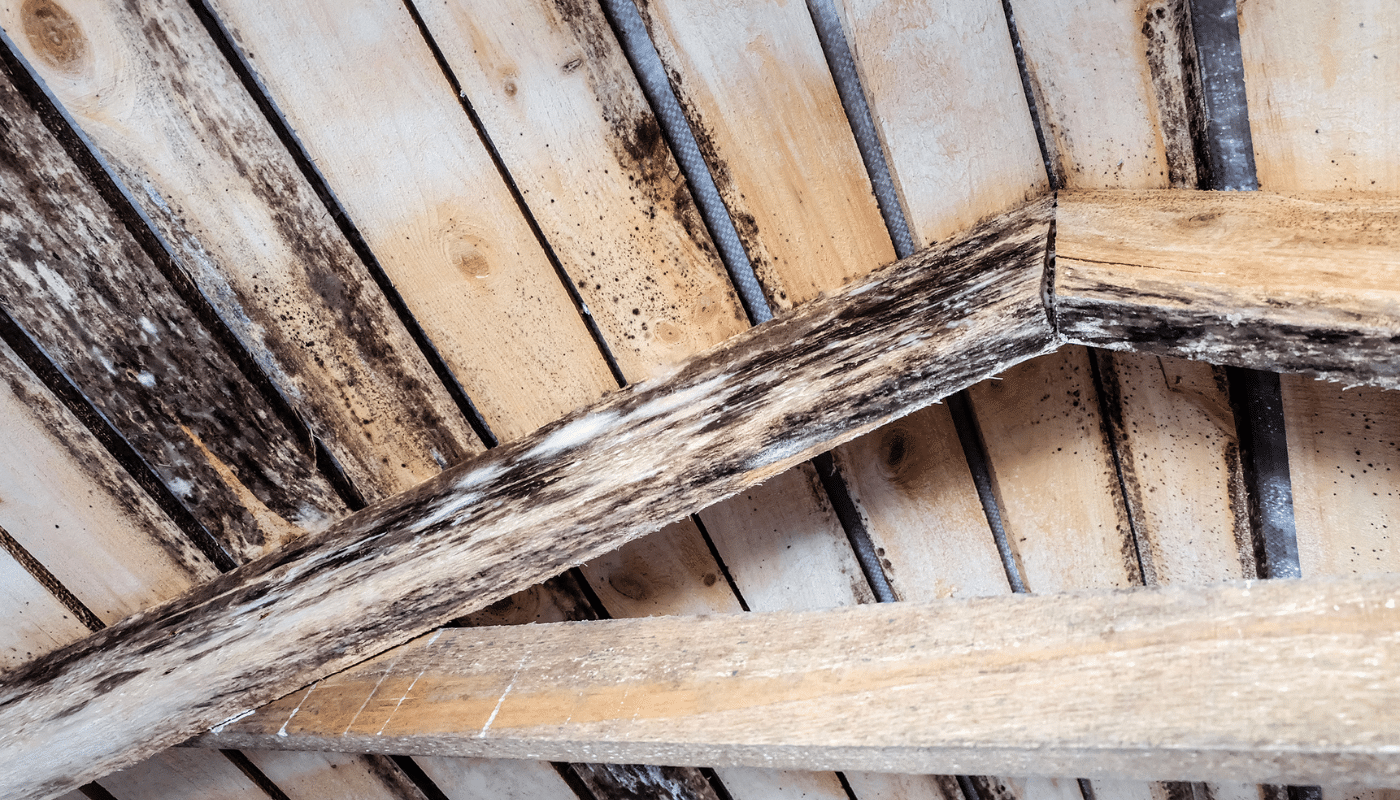
Toxic Mold in Titusville: What Homeowners in Brevard County Should Know
If you live in Titusville and you’ve noticed dark mold growth on a wall, ceiling, or near an AC vent, you may have heard the term “toxic mold” and immediately felt concerned.
That reaction is completely understandable. The phrase gets used often — especially online — and it can sound alarming.
But here’s the calm, factual reality: in Brevard County, mold problems almost always begin with moisture — not toxicity.
Let’s walk through what “toxic mold” actually means, why mold is common in Titusville homes, how it may affect indoor air quality, and what practical steps homeowners should take.
What Does “Toxic Mold” Really Mean?
The term “toxic mold” is commonly used to describe certain types of mold that may produce mycotoxins under specific environmental conditions.
However:
- Not all black or dark-colored mold is toxic.
- You cannot identify mold type by appearance alone.
- Many common household molds look similar.
In Titusville homes — just like in Mims and Cocoa — we frequently see dark staining that homeowners assume is dangerous, when in fact the bigger issue is uncontrolled moisture.
The key question isn’t “Is it toxic?”
The key question is “Why is it growing?”
Why Mold Is So Common in Titusville Homes
Florida’s environment creates ideal conditions for mold development.
Titusville experiences:
- High year-round humidity
- Frequent afternoon storms
- Heavy rainfall during hurricane season
- Extended air conditioning use
- Slab foundations with potential ground moisture
When moisture accumulates — whether from a roof leak, plumbing issue, AC condensation problem, or high humidity — mold can begin developing within 24 to 48 hours.
Homes in nearby Rockledge and Merritt Island face the same environmental pressure.
Warm air + moisture + organic materials = mold growth.
Common Places Mold Appears in Titusville Homes
When homeowners call about suspected “toxic mold,” we often find it in predictable areas:
- Bathroom ceiling corners
- Around AC vents
- Inside AC closets
- On attic roof decking
- Beneath sinks
- Along baseboards in slab homes
Attic mold is particularly common in Titusville, especially when ventilation is limited or insulation blocks airflow.
In older homes, slow plumbing leaks inside walls may allow hidden mold growth to develop long before it becomes visible.
Can Mold Affect Indoor Air Quality?
Mold reproduces by releasing microscopic spores into the air. These spores exist naturally indoors and outdoors.
When mold growth becomes excessive indoors, spore levels can increase.
Some individuals may notice:
- Nasal congestion
- Sneezing
- Throat irritation
- Eye sensitivity
- Persistent musty odors
Sensitivity varies from person to person. Individuals with allergies or asthma may react more strongly to environmental triggers.
It’s important not to draw medical conclusions without consulting a healthcare provider. Many indoor air factors — including dust, pollen, humidity, and pet dander — can contribute to similar symptoms.
From a home standpoint, the practical step is identifying and correcting moisture conditions that allow mold to grow.
Why Mold Color Doesn’t Determine Risk
One of the most common misconceptions in Titusville homes is that black mold automatically equals “toxic mold.”
In reality:
- Many harmless molds appear black.
- Some lighter-colored molds can still cause irritation.
- Only laboratory testing can identify specific mold species.
Dark staining on drywall does not automatically indicate a severe hazard.
What matters most is:
- How extensive is the growth?
- Is moisture still present?
- Is the mold active or old staining?
Those answers require proper inspection.
Why DIY Cleanup Often Backfires
When homeowners suspect toxic mold, they sometimes respond aggressively — scrubbing, spraying bleach, or painting over the area.
Unfortunately:
- Bleach does not penetrate porous drywall or wood.
- Scrubbing without containment can spread spores.
- Painting over mold hides staining but does not remove growth.
- Moisture sources often remain untreated.
Without correcting the moisture issue, mold usually returns.
In attics and HVAC systems, improper handling can actually increase contamination.
What a Professional Mold Inspection Involves
If you’re concerned about mold in your Titusville home, a structured inspection provides clarity.
A proper evaluation typically includes:
Visual Assessment
Examining bathrooms, attics, HVAC systems, baseboards, and wall cavities.
Moisture Detection
Using calibrated meters to locate hidden damp areas.
Humidity Measurement
Ensuring indoor levels remain between 45–55%.
Ventilation Review
Assessing attic airflow and bathroom exhaust performance.
Air or Surface Sampling (If Appropriate)
When needed, samples can be analyzed by accredited laboratories.
At Brevard Mold Inspections & Removal, inspections focus on environmental conditions — not escalating fear.
Clear findings allow homeowners to make informed decisions.
Proper Mold Remediation in Titusville
If significant mold growth is confirmed, remediation typically includes:
- Containment of affected areas
- HEPA air filtration
- Removal of contaminated porous materials
- Cleaning of structural surfaces
- Correction of moisture sources
In Titusville homes, moisture correction often involves:
- Roof leak repair
- Improving attic ventilation
- Clearing clogged AC drain lines
- Addressing slab-related moisture
Moisture correction is the most important step for long-term stability.
Preventing Mold in Titusville Homes
Prevention always begins with moisture control.
Homeowners can reduce risk by:
- Monitoring indoor humidity
- Running AC systems consistently during humid months
- Servicing HVAC systems annually
- Inspecting roofing after storms
- Using bathroom exhaust fans during showers
- Addressing plumbing leaks immediately
After hurricane season, attic inspections are especially important.
Homes in Palm Bay and Viera benefit from the same proactive approach.
Why Local Experience Matters in Brevard County
Mold behavior in Florida differs from cooler climates.
Brevard County homes face:
- Persistent humidity
- High groundwater levels
- Long cooling seasons
- Frequent storms
An inspector unfamiliar with these regional conditions may overlook key moisture contributors.
Brevard Mold Inspections & Removal understands how Titusville homes respond to Florida’s climate and construction styles.
Local experience ensures practical, effective recommendations.
A Calm and Practical Next Step
Hearing the phrase “toxic mold” can feel overwhelming. But most mold issues in Titusville are manageable when addressed early and correctly.
Start by asking:
- Is visible mold present?
- Is moisture still active?
- Has there been recent water damage?
- Is indoor humidity elevated?
A professional inspection can provide clear answers and guide appropriate next steps.
With Florida’s climate, moisture management is part of responsible homeownership. When you control humidity and address leaks promptly, you significantly reduce mold risk — regardless of type.
Your Titusville home can remain dry, stable, and protected with the right attention to moisture and proper local expertise.