
Mold Removal in Cocoa: What Homeowners in Brevard County Should Know
If you own a home in Cocoa, you already understand that moisture is part of everyday life. Between heavy summer rains, hurricane season, high humidity, and year-round air conditioning, homes in Brevard County constantly battle moisture intrusion.
So when mold shows up — on a ceiling, along a baseboard, inside an attic, or near an AC vent — the next question becomes clear:
What does proper mold removal actually involve?
In Cocoa and nearby communities like Rockledge, Merritt Island, and Titusville, mold removal is common — but it needs to be done correctly. Simply wiping the surface rarely solves the problem.
Let’s walk through what homeowners should understand about mold removal in Cocoa and how to approach it calmly and effectively.
First: Mold Removal Starts With Moisture
Mold does not appear randomly.
It grows when moisture meets organic materials like drywall, wood framing, insulation, or dust. In Florida’s climate, that moisture can come from:
- Roof leaks after storms
- Clogged AC condensation lines
- Bathroom ventilation problems
- Plumbing leaks
- High indoor humidity
- Slab moisture migration
Before any mold removal begins, the moisture source must be identified and corrected.
Without moisture correction, mold will return — even after professional cleaning.
In Cocoa homes, humidity often plays a larger role than homeowners realize.
Common Areas Mold Appears in Cocoa Homes
Across Brevard County, we frequently see mold in:
Bathrooms
Steam buildup combined with limited ventilation creates ideal conditions.
Attics
Poor airflow and storm-related leaks allow mold to grow on roof decking.
AC Closets
Clogged drain lines can cause water to overflow into drywall.
Around Windows
Salt air and aging seals allow moisture intrusion.
Along Baseboards
In slab homes, ground moisture can affect lower wall sections.
Homes in Melbourne and Palm Bay show similar patterns, especially during humid summer months.
When Mold Removal Is Necessary
Not every mold spot requires large-scale removal. Small surface growth on non-porous materials may sometimes be cleaned.
However, professional mold removal is typically needed when:
- Mold affects porous materials like drywall or insulation
- Growth covers a larger area
- There is a strong, persistent musty odor
- Mold follows water damage
- The issue keeps returning after cleaning
If mold appears after a roof leak or plumbing event, deeper inspection is often warranted.
In Cocoa’s humid environment, mold can spread behind walls quickly if moisture remains.
What Proper Mold Removal Looks Like
Professional mold removal in Cocoa follows structured procedures designed to protect both the home and indoor air quality.
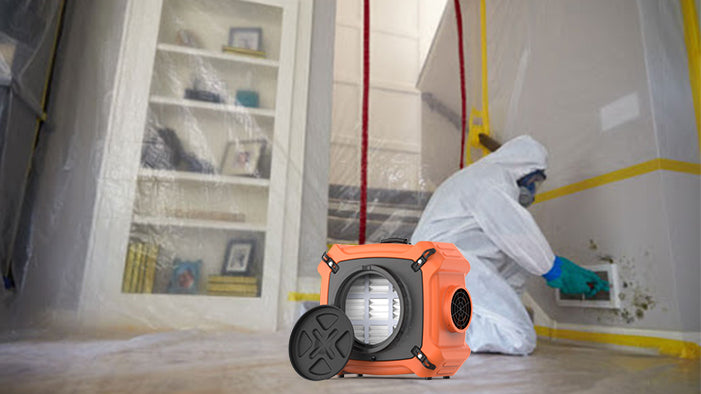
1. Containment
Affected areas are isolated using plastic sheeting to prevent spores from spreading to unaffected rooms.
This is especially important in homes with central HVAC systems.
2. Air Filtration
HEPA air scrubbers capture airborne mold spores during the removal process.
This reduces cross-contamination.
3. Removal of Contaminated Materials
Porous materials that cannot be fully cleaned — such as saturated drywall or insulation — may need to be removed.
The goal is eliminating embedded growth.
4. Cleaning Structural Surfaces
Wood framing or subflooring may be cleaned using appropriate antimicrobial methods.
5. Moisture Correction
Roof repairs, plumbing repairs, drain line clearing, or ventilation improvements are completed to prevent recurrence.
Moisture correction is the most important step in Florida homes.
Attic Mold Removal in Cocoa
Attics are one of the most common mold sites in Cocoa homes.
Contributing factors include:
- Blocked soffit vents
- Inadequate ridge ventilation
- Bathroom fans venting into attic space
- Storm-driven rain intrusion
During removal, affected insulation may be replaced, and ventilation improvements may be recommended.
Homes near the Indian River Lagoon experience elevated humidity, making attic airflow especially important.
HVAC-Related Mold Removal
Air conditioning systems run nearly year-round in Cocoa.
When condensation drain lines clog, water can accumulate inside air handlers or duct systems.
Mold removal in HVAC systems may involve:
- Cleaning evaporator coils
- Clearing drain pans
- Replacing contaminated duct insulation
- Improving system airflow
Because HVAC systems circulate air throughout the home, addressing mold inside mechanical components is critical.
Why DIY Mold Removal Often Falls Short
It’s understandable to want a quick fix. However, DIY mold removal can create complications.
Common mistakes include:
- Using bleach on porous materials
- Painting over mold
- Scrubbing without containment
- Ignoring hidden moisture
Bleach does not penetrate drywall. Scrubbing can release spores into the air. Painting hides staining but does not remove growth.
In Florida’s humid environment, incomplete removal almost always leads to recurrence.
How Long Does Mold Removal Take?
The timeline depends on:
- Size of the affected area
- Extent of moisture damage
- Structural involvement
- Drying time required
Smaller projects may take one to two days. Larger attic or multi-room removal can take longer.
Drying is just as important as cleaning.
Rushing the process increases the risk of recurrence.
Preventing Mold After Removal
Once mold removal is complete, prevention becomes the focus.
Homeowners in Cocoa can reduce risk by:
- Monitoring indoor humidity (45–55%)
- Servicing HVAC systems annually
- Flushing AC drain lines regularly
- Inspecting roofing after storms
- Ensuring bathroom fans vent outdoors
- Addressing leaks immediately
Homes in Cape Canaveral and Satellite Beach follow the same prevention principles.
Proactive maintenance is far more affordable than repeated removal.
Why Local Experience Matters
Mold removal in Brevard County differs from removal in dry climates.
Local homes face:
- Persistent coastal humidity
- Salt air exposure
- Heavy rainfall cycles
- Slab foundations
- Long cooling seasons
An approach that doesn’t consider these environmental factors may not produce lasting results.
Brevard Mold Inspections & Removal understands how Cocoa’s climate influences mold growth patterns.
Local experience leads to accurate moisture diagnosis and practical solutions.
A Calm and Practical Next Step
If you suspect mold in your Cocoa home, start with a structured inspection.
Ask:
- Where is the moisture coming from?
- How extensive is the growth?
- Is removal necessary?
- What steps will prevent recurrence?
Mold removal is not about panic. It’s about restoring proper moisture balance and protecting your home’s structure.
With Florida’s climate, moisture management is part of responsible homeownership. When you correct the source and remove growth properly, your home can remain dry, stable, and protected year-round.
Image Generation Prompts
- Realistic photograph of mold removal containment setup inside a Cocoa Florida home with plastic sheeting and air scrubber, no people, no text.
- Realistic photograph of mold on drywall near baseboard in a Brevard County residential home before removal, no people, no logos, clean composition.