
Mold in Crawl Spaces in Merritt Island: What Homeowners in Brevard County Should Know
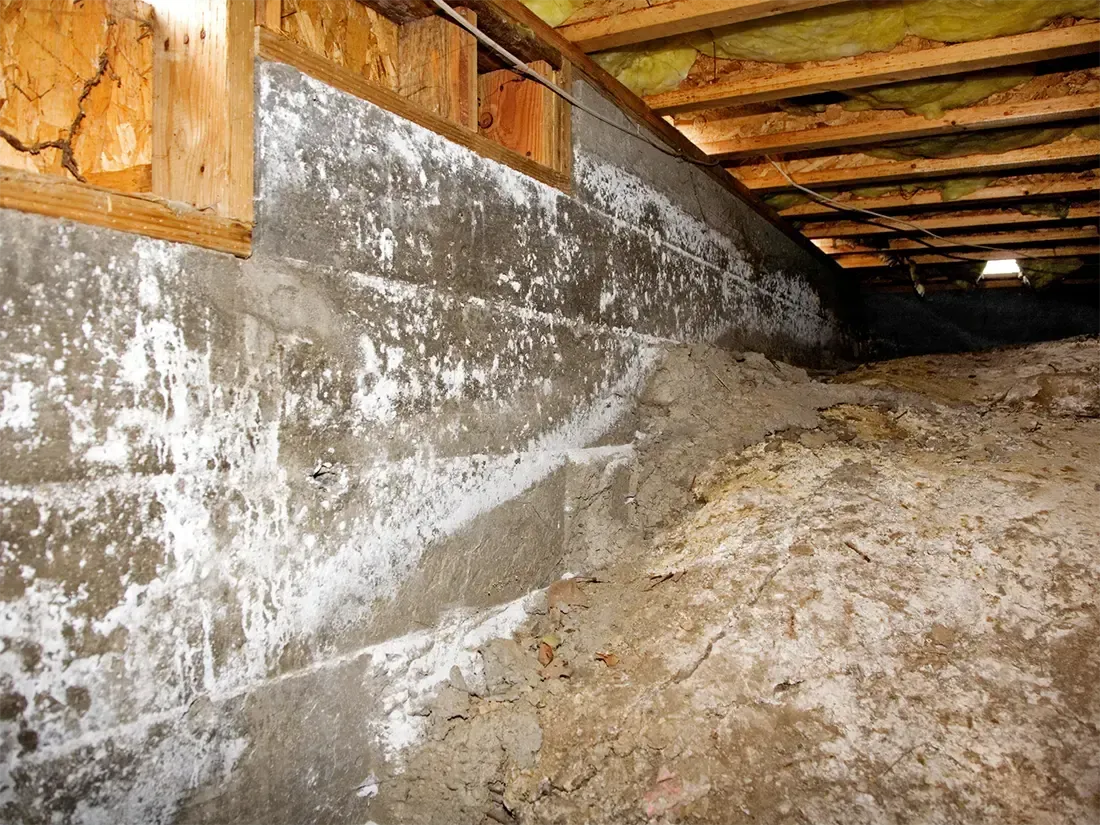
Mold in crawl spaces is a serious and often hidden issue for homeowners in Merritt Island and throughout Brevard County. Because crawl spaces are rarely inspected, moisture and mold problems can develop quietly for long periods — affecting indoor air quality, structural materials, and even energy efficiency before homeowners realize what’s happening.
With Merritt Island’s high humidity, coastal moisture, frequent rain, and elevated water tables, crawl spaces are especially vulnerable to mold growth. Understanding why mold forms there, how it affects your home, and what steps to take can help prevent costly damage and health concerns.
Why Crawl Space Mold Is Common in Merritt Island
Several local conditions make crawl spaces a prime environment for mold:
- High year-round humidity
- Coastal and lagoon moisture
- Poor airflow beneath homes
- Standing water after heavy rain
- Ground moisture evaporating upward
- Plumbing leaks beneath the home
- Inadequate vapor barriers
Because crawl spaces sit close to the ground, they absorb moisture easily — especially in Brevard County’s climate.
How Mold Develops in Crawl Spaces
Mold needs only three things:
- Moisture
- Organic material (wood, insulation, dust)
- Warm temperatures
Crawl spaces provide all three. Moisture from the ground rises, condenses on cooler surfaces, and soaks into wood framing and insulation. Mold can begin growing within 24–48 hours once moisture levels remain elevated.
Common Sources of Crawl Space Moisture
In Merritt Island homes, crawl space moisture often comes from:
- Ground moisture evaporation
- Poor drainage around the foundation
- Standing water after storms
- Leaking plumbing lines
- Condensation on HVAC ductwork
- Inadequate or damaged vapor barriers
- Improper crawl space ventilation
Even small, slow moisture issues can fuel extensive mold growth over time.
Where Mold Grows in Crawl Spaces
Mold commonly develops on:
- Wooden floor joists and beams
- Subflooring
- Insulation facing
- Support posts
- HVAC ducts and duct insulation
- Foundation walls
Because these areas are hidden, mold can spread extensively before detection.
How Crawl Space Mold Affects the Rest of the Home
Many homeowners don’t realize that air from the crawl space moves upward into the living space.
Crawl space mold can:
- Release spores into indoor air
- Cause musty odors throughout the home
- Trigger allergy or respiratory symptoms
- Increase humidity indoors
- Reduce HVAC efficiency
- Contribute to wood rot and structural weakening
If your home smells musty but shows no visible mold, the crawl space is often the source.
Health Risks of Crawl Space Mold
Exposure to mold originating from crawl spaces can cause:
- Sneezing or coughing
- Nasal congestion
- Eye or throat irritation
- Headaches
- Fatigue
- Worsened asthma or allergies
Children, seniors, and individuals with respiratory conditions are especially sensitive to prolonged exposure.
Why DIY Crawl Space Mold Cleanup Is Risky
Crawl spaces are confined, damp, and difficult to access — making DIY mold cleanup dangerous.
DIY risks include:
- Inhaling concentrated mold spores
- Spreading mold to clean areas
- Failing to remove mold from structural materials
- Missing moisture sources
- Physical injury in tight spaces
Without proper containment and moisture control, mold almost always returns.
How Professionals Address Crawl Space Mold
Professional crawl space mold remediation typically includes:
- Inspecting for moisture sources and drainage issues
- Removing contaminated insulation or materials
- Cleaning and treating affected wood surfaces
- Installing or repairing vapor barriers
- Improving drainage and moisture control
- Using dehumidification when necessary
- Verifying conditions after remediation
Long-term success depends on controlling moisture, not just removing visible mold.
Does Homeowners Insurance Cover Crawl Space Mold?
Insurance coverage depends on what caused the mold.
Mold may be covered if it resulted from a sudden, accidental event such as:
- A burst plumbing line
- Sudden water intrusion
Mold is usually not covered when caused by:
- Ground moisture
- Poor drainage
- High humidity
- Long-term moisture intrusion
Professional documentation is important for any potential claim.
Preventing Mold in Crawl Spaces
Homeowners in Merritt Island can reduce crawl space mold risk by:
- Installing a proper vapor barrier
- Improving drainage around the home
- Fixing plumbing leaks immediately
- Keeping HVAC ducts insulated
- Using crawl space dehumidifiers when needed
- Scheduling periodic crawl space inspections
Moisture control beneath the home is essential in Brevard County.
When to Call a Professional
Professional help is strongly recommended if:
- Musty odors persist indoors
- Floors feel damp or warped
- Mold is visible beneath the home
- Health symptoms worsen indoors
- The home has experienced flooding or heavy rain
- Insulation is falling or damaged
Early intervention prevents structural damage and higher remediation costs.
Long-Term Risks of Ignoring Crawl Space Mold
Ignoring crawl space mold can lead to:
- Structural wood damage
- Increased indoor humidity
- Persistent odors
- Poor indoor air quality
- Reduced property value
- Expensive repairs later
Crawl space mold rarely stays contained — it spreads upward over time.
Conclusion
Mold in crawl spaces is a hidden but serious issue for homeowners in Merritt Island and Brevard County, especially in a humid, coastal environment. Because crawl spaces are out of sight, moisture and mold problems often go unnoticed until they affect indoor air quality and structural components.
By understanding how crawl space mold forms and addressing moisture issues early, homeowners can protect their homes, health, and long-term investment. When crawl space mold is suspected, professional evaluation and proper moisture control are the safest and most effective solutions.