
Mold Inspection in Melbourne: What Homeowners in Brevard County Should Know
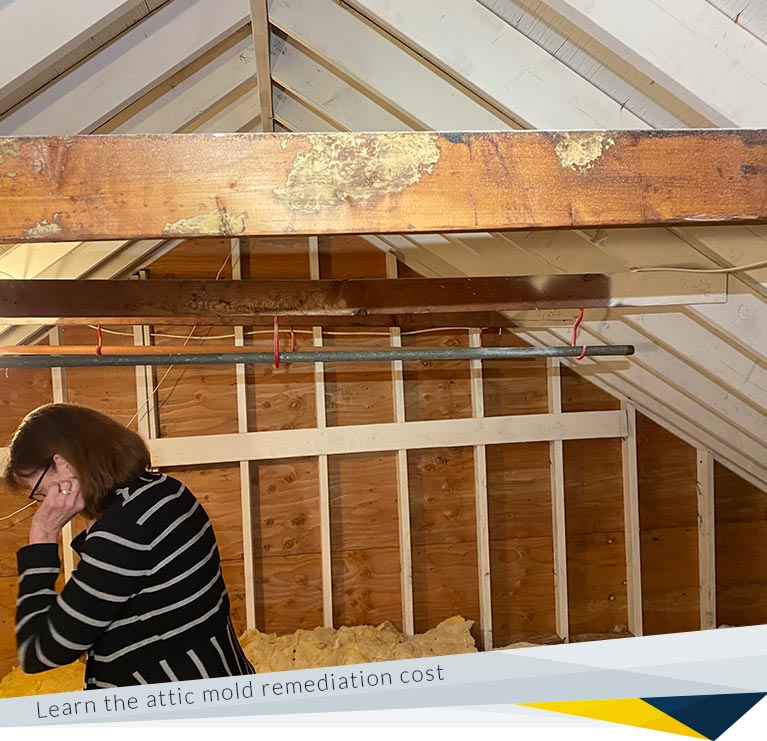
Mold inspections are a critical first step for homeowners in Melbourne and throughout Brevard County. With Florida’s humidity, frequent storms, and constant air-conditioning use, mold often develops out of sight—behind walls, under floors, or inside HVAC systems—long before it becomes visible.
A professional mold inspection helps identify problems early, protect indoor air quality, and prevent small moisture issues from turning into expensive remediation projects.
Why Mold Inspections Matter in Melbourne
Melbourne homes face several mold-friendly conditions year-round:
- High indoor and outdoor humidity
- Heavy rain and seasonal storms
- Roof and window leaks
- Plumbing lines inside walls
- AC condensation and drain line issues
- Slab construction that traps moisture
Because mold doesn’t need flooding to grow, inspections are valuable even when there’s no obvious water damage.
What Is a Mold Inspection?
A mold inspection is a professional evaluation designed to:
- Identify visible and hidden mold growth
- Locate moisture sources feeding mold
- Assess indoor air quality concerns
- Determine the extent of contamination
- Recommend next steps for remediation or prevention
The goal isn’t just to find mold—it’s to find why it’s there.
When Should You Schedule a Mold Inspection?
Homeowners in Melbourne should consider a mold inspection if:
- There’s a persistent musty or earthy odor
- Allergy or respiratory symptoms worsen indoors
- The home experienced water or storm damage
- Mold keeps returning after cleaning
- Condensation is common on windows or vents
- The property has been vacant
- You’re buying or selling a home
- Insurance documentation may be needed
Early inspections often save money by catching problems before they spread.
Common Areas Inspectors Check
Professional mold inspections typically focus on high-risk areas such as:
- Bathrooms and kitchens
- Attics and roof decking
- Behind drywall and insulation
- Under flooring and baseboards
- Closets on exterior walls
- Around windows and doors
- HVAC systems and ductwork
In many cases, hidden mold is more extensive than visible growth.
How Inspectors Detect Hidden Mold
Inspectors use specialized tools to locate mold without unnecessary demolition, including:
- Moisture meters to detect damp materials
- Infrared thermal imaging to find temperature-related moisture patterns
- Visual attic and HVAC inspections
- Air sampling (when appropriate)
- Surface sampling in specific situations
These methods help pinpoint hidden moisture and mold accurately.
Does a Mold Inspection Always Include Testing?
Not always. Testing may be recommended when:
- Mold is suspected but not visible
- Health concerns are present
- A real estate transaction is involved
- Insurance documentation is required
- Post-remediation clearance is needed
A qualified inspector determines whether testing will add meaningful information.
What a Mold Inspection Report Includes
After the inspection, homeowners typically receive a report outlining:
- Areas of concern
- Moisture sources identified
- Findings from any testing performed
- Recommendations for remediation or repairs
- Guidance for preventing future mold
This documentation is helpful for homeowners, buyers, sellers, and insurers.
Does Insurance Cover Mold Inspections?
Coverage depends on the cause of the mold.
Inspections may be covered if related to a sudden, accidental event, such as:
- Storm damage
- A burst pipe
- Sudden AC failure
Inspections tied to long-term humidity or maintenance issues are usually not covered, but reports are still valuable for decision-making.
Why DIY Mold Checks Often Miss the Problem
Homeowners often rely on smell or visible signs, but DIY checks frequently miss:
- Mold inside walls or ceilings
- Mold under flooring
- Attic contamination
- HVAC-related mold
- Moisture trapped in building materials
Professional inspections provide a complete picture that surface checks can’t.
Preventing Mold After an Inspection
Based on inspection findings, prevention steps may include:
- Repairing leaks promptly
- Improving ventilation
- Running dehumidifiers year-round
- Maintaining HVAC systems
- Sealing windows and doors
- Keeping indoor humidity below 55%
Moisture control is the foundation of mold prevention in Melbourne homes.
When to Act Immediately
Immediate action is recommended if:
- Mold is widespread
- Health symptoms worsen indoors
- Water damage recently occurred
- Mold is found in HVAC systems
- Musty odors persist
Early response limits damage and reduces overall costs.
Conclusion
Mold inspections are an essential tool for homeowners in Melbourne and Brevard County, especially in a climate where moisture problems are common and mold often grows unseen. By scheduling inspections at the right time and acting on the findings, homeowners can protect indoor air quality, prevent structural damage, and avoid costly repairs.
When it comes to mold, early detection through professional inspection is one of the smartest investments a homeowner can make.