
Mold Testing in Palm Bay: What Homeowners in Brevard County Should Know
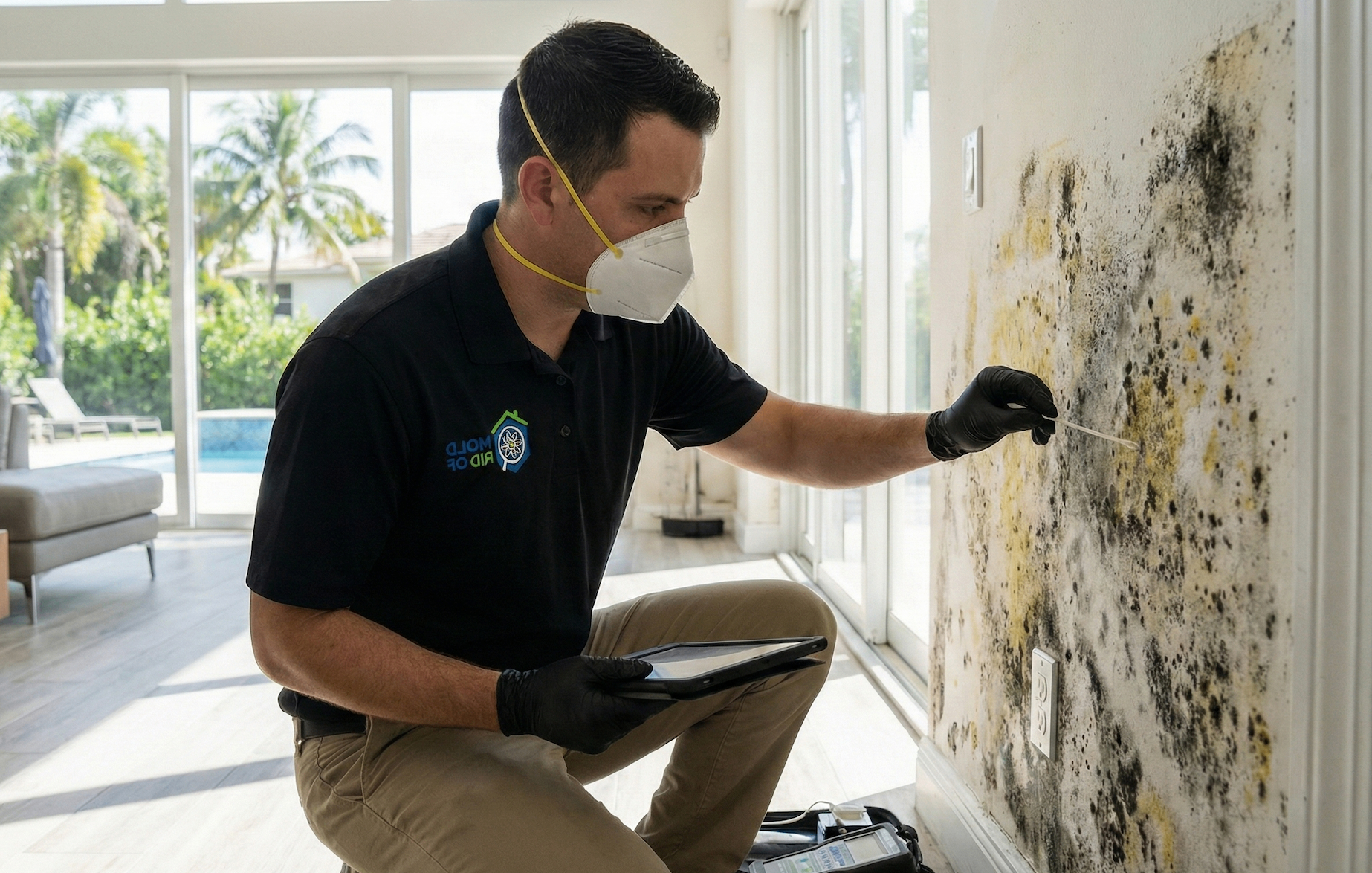
Mold testing is an important step for homeowners in Palm Bay and across Brevard County when mold is suspected but not clearly visible. With high humidity, frequent rain, and constant air-conditioning use, mold can grow quietly inside walls, under floors, or within HVAC systems—often without obvious signs.
Mold testing helps confirm whether mold is present, evaluate indoor air quality, and guide smart decisions before small moisture problems turn into expensive remediation projects.
Why Mold Testing Is Important in Palm Bay
Palm Bay homes face several conditions that increase mold risk:
- High year-round humidity
- Heavy rainfall and seasonal storms
- AC condensation and drain line issues
- Plumbing lines inside walls
- Slab construction trapping moisture
- Homes closed for long periods
Because mold doesn’t always appear where it’s growing, testing is often the only way to detect hidden or airborne mold early.
What Is Mold Testing?
Mold testing is a professional process used to measure mold spores in the environment and help identify hidden growth.
It can help:
- Detect airborne mold spores
- Confirm mold when none is visible
- Compare indoor mold levels to outdoor levels
- Support real estate or insurance documentation
- Determine whether remediation is needed
Testing focuses on what you can’t see, not just surface mold.
When Should You Consider Mold Testing?
Homeowners in Palm Bay should consider mold testing if:
- There is a persistent musty or earthy odor
- Allergy or respiratory symptoms worsen indoors
- The home experienced water or storm damage
- Mold keeps returning after cleaning
- The property has been vacant
- You’re buying or selling a home
- Insurance documentation may be required
Testing is especially helpful when symptoms exist but visible mold does not.
Common Types of Mold Testing
Air Sampling
Measures airborne mold spores inside the home and compares them to outdoor levels. Elevated indoor levels often point to hidden mold.
Surface Sampling
Used when visible mold is present to confirm contamination on specific surfaces.
Bulk Sampling
Involves testing pieces of affected materials to assess mold growth within building components.
Not every situation requires all methods—professionals choose the right approach based on the home and concerns.
What Mold Testing Can Reveal
Mold testing may identify:
- Hidden mold growth
- Indoor air quality concerns
- HVAC-related mold circulation
- Ongoing moisture problems
- Whether previous cleanup was effective
Results help homeowners decide the next steps with confidence.
Does Mold Testing Identify the Moisture Source?
Testing alone doesn’t fix mold, but it helps guide investigations.
When combined with:
- Moisture meters
- Infrared thermal imaging
- Attic and HVAC inspections
Testing helps professionals locate leaks, condensation issues, and humidity-related problems.
Health Concerns That Prompt Mold Testing
Mold exposure may cause:
- Sneezing or coughing
- Nasal congestion
- Eye or throat irritation
- Headaches
- Fatigue
- Worsened asthma or allergies
If symptoms improve when leaving the home and worsen indoors, mold testing can help determine whether airborne spores are contributing.
Are DIY Mold Test Kits Reliable?
DIY kits are common but often misleading.
They typically:
- Lack professional interpretation
- Don’t provide accurate comparisons
- Produce false positives
- Offer no guidance on next steps
Professional mold testing provides context, accuracy, and actionable recommendations.
Does Insurance Cover Mold Testing in Palm Bay?
Coverage depends on the cause of the mold.
Mold testing may be covered if related to a sudden, accidental event, such as:
- A burst pipe
- Storm-related damage
- Sudden AC failure
Testing related to long-term humidity or maintenance issues is usually not covered, but documentation is still valuable.
Preventing Mold After Testing
Once testing is complete, prevention steps may include:
- Fixing moisture sources promptly
- Improving ventilation
- Running dehumidifiers year-round
- Maintaining HVAC systems
- Sealing windows and doors
- Keeping indoor humidity below 55%
Moisture control is the most effective way to prevent future mold growth.
When to Take Immediate Action
Immediate professional guidance is recommended if:
- Indoor mold levels are elevated
- HVAC systems test positive
- Health symptoms worsen
- Mold returns repeatedly
- Water damage recently occurred
Early action limits spread and reduces long-term costs.
Conclusion
Mold testing is a valuable tool for homeowners in Palm Bay and Brevard County, especially in a climate where mold often grows unseen. Testing helps confirm whether mold is present, assess indoor air quality, and guide informed decisions before problems escalate.
When mold is suspected, guessing can be costly. Professional mold testing allows homeowners to act early, protect their health, and prevent small moisture issues from becoming major mold problems.