
Mold in Attics in West Melbourne: What Homeowners in Brevard County Should Know
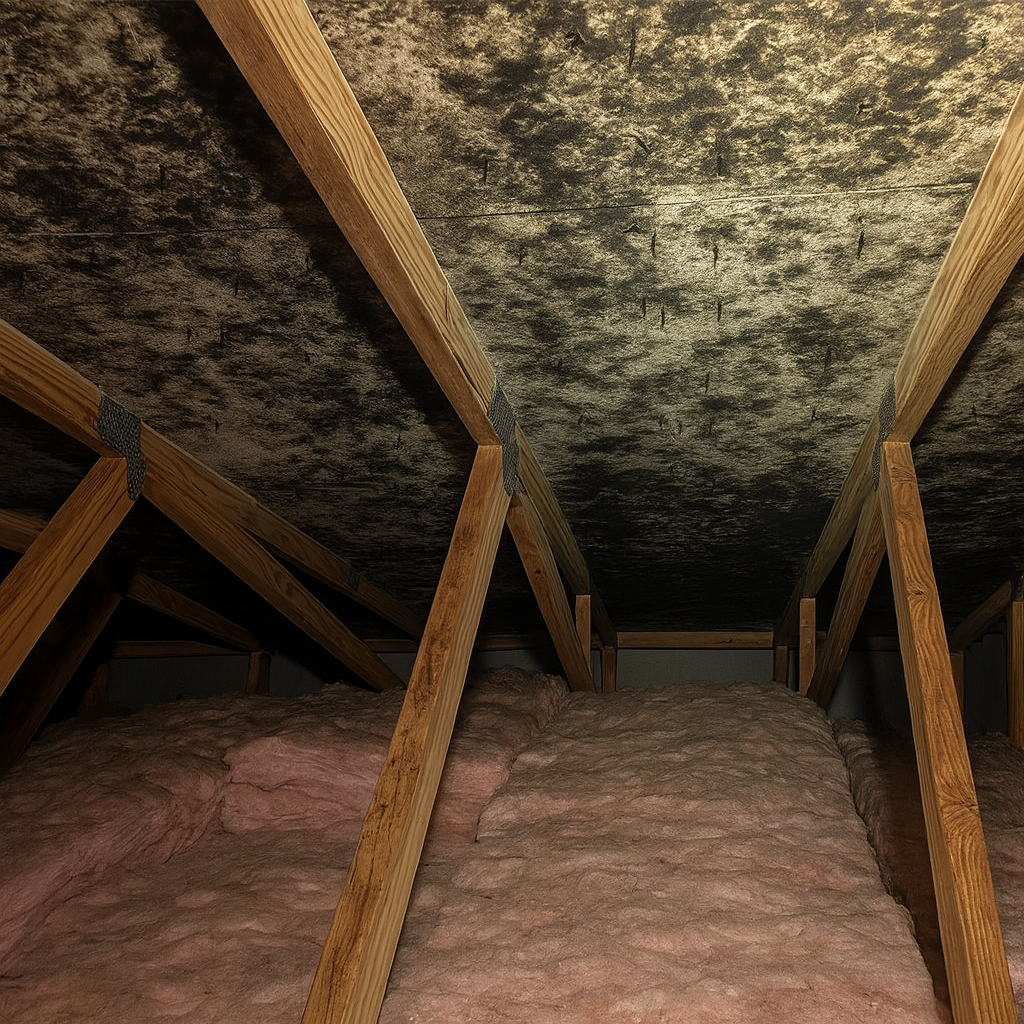
Mold in attics is a common but often overlooked problem for homeowners in West Melbourne and throughout Brevard County. Because attics are rarely visited, mold can grow undetected for months—sometimes years—while quietly affecting indoor air quality and the structural components of the home.
Florida’s heat, humidity, and frequent storms make attics especially vulnerable. Understanding why attic mold develops, where it hides, and how to prevent it can help homeowners avoid costly repairs and long-term health concerns.
Why Attic Mold Is Common in West Melbourne Homes
Several local conditions contribute to attic mold growth:
- High year-round humidity
- Hot attic temperatures
- Poor or unbalanced attic ventilation
- Moist air rising from living spaces
- Roof leaks after storms
- Bathroom and kitchen exhaust fans venting into attics
When warm, moist air becomes trapped in an attic, condensation forms—creating ideal conditions for mold.
How Mold Develops in Attics
Mold typically forms in attics when moisture accumulates and has nowhere to escape.
Common moisture sources include:
- Improperly vented bathroom fans
- Air leaks from the home below
- Roof leaks or damaged flashing
- Condensation on roof decking
- Poor insulation allowing temperature differences
Once moisture is present, mold can begin growing within 24–48 hours.
Common Areas Where Attic Mold Grows
In West Melbourne homes, attic mold is often found on:
- Roof decking and sheathing
- Rafters and trusses
- Around roof penetrations
- Near attic access openings
- Insulation surfaces
- Around exhaust fan outlets
Because these areas are hidden, mold growth often becomes extensive before discovery.
Warning Signs of Mold in the Attic
Homeowners may notice indirect signs of attic mold, such as:
- Musty odors inside the home
- Increased allergy or respiratory symptoms
- Dark staining on ceilings
- Moist insulation near attic access
- Condensation on attic framing
If symptoms worsen indoors but no mold is visible, the attic is often the source.
Why Attic Mold Is a Serious Problem
Attic mold affects more than just the attic space.
Potential issues include:
- Mold spores entering living areas
- Reduced indoor air quality
- Damage to roof decking and framing
- Weakened structural materials
- Lower property value
- Failed home inspections during sale
Because attics connect to the entire home, mold there rarely stays isolated.
Health Risks Linked to Attic Mold
Mold spores from attics can circulate throughout the home, causing:
- Sneezing or coughing
- Nasal congestion or sinus irritation
- Eye or throat irritation
- Headaches
- Fatigue
- Worsened asthma or allergies
Children, seniors, and individuals with respiratory conditions are particularly sensitive.
Why DIY Attic Mold Cleanup Is Risky
Attics are one of the most dangerous places for DIY mold cleanup.
DIY risks include:
- Spreading spores through the home
- Missing hidden mold on framing
- Disturbing insulation contaminated with mold
- Exposure to high spore concentrations
- Safety risks in confined attic spaces
Scrubbing visible mold without addressing moisture almost always leads to regrowth.
How Professionals Address Attic Mold
Professional attic mold remediation typically includes:
- Inspecting ventilation and moisture sources
- Identifying roof or exhaust issues
- Containing affected areas
- HEPA air filtration
- Cleaning or removing contaminated materials
- Treating exposed wood surfaces
- Improving attic ventilation and insulation
- Verifying safe conditions after remediation
Correcting airflow and moisture is critical for long-term success.
Does Insurance Cover Attic Mold in West Melbourne?
Insurance coverage depends on what caused the mold.
Attic mold may be covered if caused by:
- Storm-related roof damage
- Sudden roof leaks
Coverage is usually denied when mold results from:
- Poor ventilation
- Long-term condensation
- Improper exhaust fan installation
- Deferred maintenance
Prompt documentation is essential for any potential claim.
Preventing Mold in Attics
Homeowners can reduce attic mold risk by:
- Ensuring proper attic ventilation balance
- Venting bathroom and kitchen fans outdoors
- Sealing air leaks between the home and attic
- Repairing roof damage quickly
- Maintaining insulation levels
- Keeping indoor humidity below 55%
Moisture control and airflow are the keys to prevention.
When to Call a Professional
Professional help is strongly recommended if:
- Mold is visible in the attic
- Musty odors persist indoors
- Health symptoms worsen at home
- Roof leaks occurred
- You’re buying or selling a home
Early action prevents structural damage and costly repairs.
Long-Term Risks of Ignoring Attic Mold
Ignoring attic mold can lead to:
- Structural deterioration
- Widespread mold contamination
- Chronic indoor air quality issues
- Higher remediation costs later
- Reduced home value
Attic mold rarely resolves on its own.
Conclusion
Mold in attics is a serious issue for homeowners in West Melbourne and Brevard County, largely due to Florida’s humidity, heat, and ventilation challenges. Because attic mold often grows out of sight, it can cause significant damage before being discovered.
By improving ventilation, controlling moisture, and addressing problems early, homeowners can prevent attic mold from spreading throughout the home. When mold is suspected in the attic, professional evaluation and proper remediation are the safest and most effective solutions.