
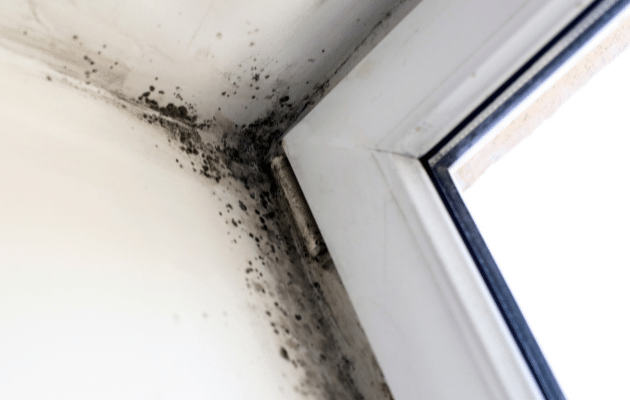
Humidity and Mold in Titusville: What Homeowners in Brevard County Should Know
If you live in Titusville, you already know humidity isn’t just a seasonal annoyance—it’s a year-round reality. And in Brevard County, humidity is the single biggest driver behind indoor mold problems. Many homeowners focus on visible leaks or flooding, but the truth is mold often grows quietly because of persistent moisture in the air, not dramatic water events.
Understanding how humidity fuels mold growth—and what makes Titusville homes especially vulnerable—can help you prevent costly damage and health concerns before they spiral.
Why Titusville Homes Struggle With Humidity
Titusville’s location near the Indian River Lagoon, combined with Florida’s subtropical climate, creates ideal conditions for moisture buildup.
Key contributors include:
- High outdoor humidity most of the year
- Warm temperatures that hold moisture in the air
- Frequent rain and storms
- Homes built near water or wetlands
- Air conditioning systems running almost nonstop
Even when it’s not raining, moisture seeps indoors through air leaks, walls, crawl spaces, and ductwork. Over time, that moisture settles into building materials—and mold takes advantage.
How Humidity Turns Into a Mold Problem
Mold doesn’t need standing water to grow. Consistently high indoor humidity is enough.
When indoor humidity stays above 55–60%:
- Drywall absorbs moisture
- Wood framing swells and stays damp
- Insulation traps humidity
- Dust and organic debris become food sources
Once materials remain damp for 24–48 hours, mold spores already present in the air can begin to grow. This is why many Titusville homeowners discover mold without ever experiencing a leak.
Common Areas Where Humidity Causes Mold in Titusville Homes
Humidity-driven mold growth often appears in places that don’t get much attention.
Typical problem areas include:
- Bathrooms with poor ventilation
- Laundry rooms
- Closets on exterior walls
- Behind drywall
- Attics
- Around windows and sliding doors
- Inside HVAC systems and ductwork
Homes with older construction or outdated ventilation systems are especially vulnerable.
Why Air Conditioning Alone Isn’t Enough
Many homeowners assume running the AC solves humidity problems. In reality, AC systems can contribute to mold growth if not properly maintained.
Common AC-related humidity issues include:
- Oversized units that cool too fast without removing moisture
- Clogged or leaking condensate drain lines
- Dirty coils reducing moisture removal
- Poor airflow causing condensation buildup
When AC systems fail to dehumidify effectively, humidity stays trapped indoors—even if the home feels cool.
Hidden Mold: The Biggest Risk of High Humidity
One of the most dangerous aspects of humidity-related mold is that it often stays out of sight.
Hidden mold commonly grows:
- Inside walls
- Under flooring
- Behind cabinets
- In insulation
- Inside air ducts
By the time visible mold or odors appear, the growth has usually been active for weeks or months. That’s why humidity problems in Titusville can lead to larger, more expensive remediation projects if ignored.
Health Effects Linked to Humidity and Mold
High humidity doesn’t just damage homes—it affects indoor air quality.
Mold exposure can cause:
- Allergy symptoms
- Asthma flare-ups
- Chronic coughing or sneezing
- Sinus irritation
- Headaches and fatigue
- Skin and eye irritation
Children, seniors, and people with respiratory conditions are especially sensitive. Even healthy adults can experience symptoms after prolonged exposure.
Signs Your Titusville Home Has a Humidity Problem
Not sure if humidity is an issue in your home? Watch for these warning signs:
- Persistent musty odors
- Condensation on windows or vents
- Peeling paint or bubbling drywall
- Warped wood or flooring
- Mold spots that return after cleaning
- Clammy or sticky indoor air
If you notice more than one of these signs, humidity is likely feeding mold growth somewhere in the structure.
Why DIY Solutions Often Fall Short
Store-bought dehumidifiers and cleaning products can help temporarily, but they rarely address the root cause of humidity-related mold.
DIY efforts often fail because:
- They don’t identify where moisture is entering
- They don’t address hidden mold growth
- They don’t prevent spore spread
- They don’t provide long-term moisture control
Without proper assessment, mold may keep returning—sometimes in new areas.
How Professionals Address Humidity-Driven Mold
Professional mold services focus on moisture control first, not just surface cleanup.
A proper approach may include:
- Moisture mapping to identify problem areas
- Inspection of AC systems and ventilation
- Containment to prevent spore spread
- HEPA air filtration
- Removal of contaminated materials
- Structural drying and humidity correction
- Post-remediation verification
This process stops mold at its source and reduces the chance of recurrence.
Preventing Mold Caused by Humidity in Titusville
Prevention is especially important in Brevard County’s climate.
Homeowners can reduce risk by:
- Keeping indoor humidity below 55%
- Using bathroom and kitchen exhaust fans
- Servicing AC systems regularly
- Fixing condensation issues promptly
- Sealing air leaks
- Monitoring humidity with a hygrometer
- Addressing musty odors early
Consistent moisture control is the most effective mold prevention strategy.
When to Seek a Mold Inspection
Consider a professional inspection if:
- Mold keeps returning despite cleaning
- You smell mold but can’t find it
- Your home feels constantly humid
- There has been past water damage
- You’re buying or selling a home
- Occupants experience unexplained symptoms
Early inspection can prevent minor humidity issues from turning into major mold damage.
Final Thoughts for Titusville Homeowners
In Titusville, mold problems rarely come from a single dramatic event. More often, they develop slowly due to persistent humidity that goes unnoticed. By the time mold becomes visible, it’s usually well established.
Understanding how humidity affects your home—and acting early—can protect your property, your indoor air quality, and your peace of mind. In Brevard County’s climate, controlling moisture isn’t optional. It’s essential.