
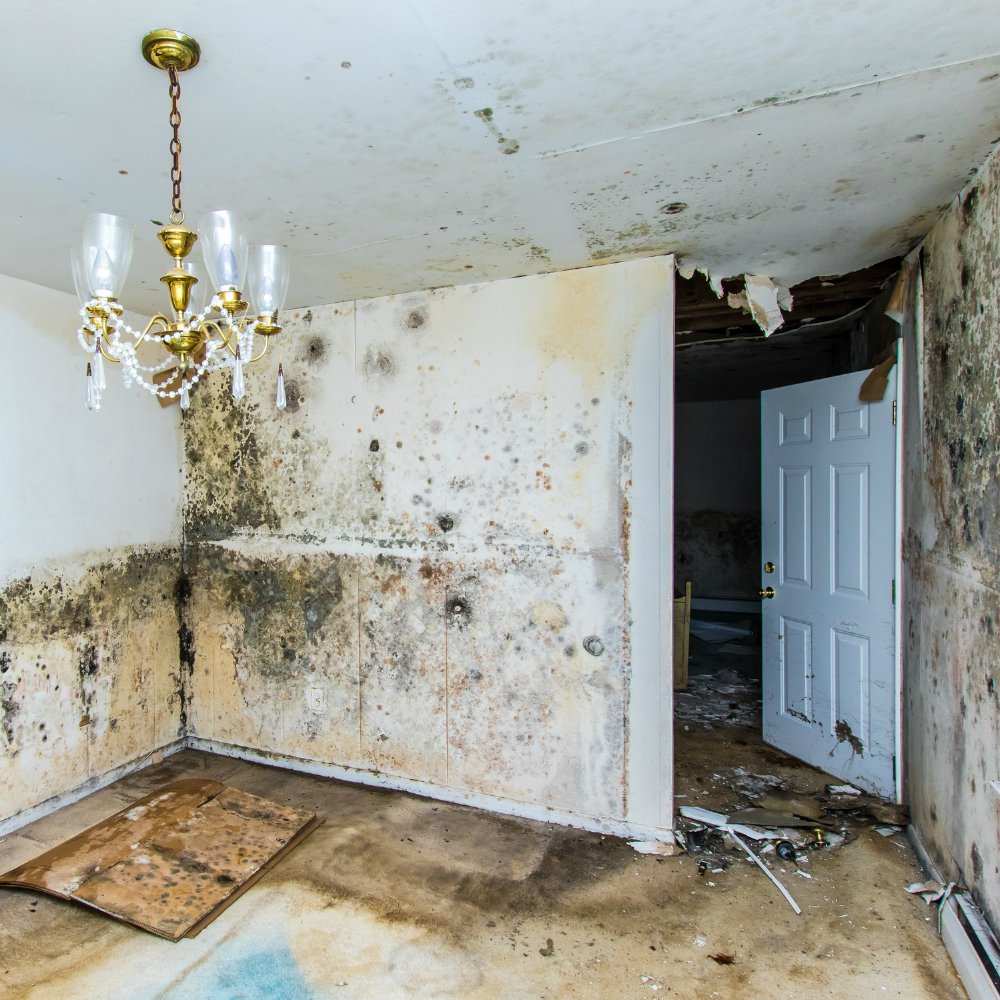
Mold After Hurricanes in Rockledge: What Homeowners in Brevard County Should Know
For homeowners in Rockledge, hurricanes aren’t just about wind damage and power outages. Long after the storm passes, a quieter—and often more expensive—problem shows up: mold. In Brevard County, post-hurricane mold growth is one of the most common issues homeowners face, especially when water intrusion isn’t obvious right away.
Understanding how hurricanes trigger mold, where it hides, and what mistakes to avoid can make the difference between a manageable cleanup and major structural damage.
Why Hurricanes Create Perfect Conditions for Mold
Hurricanes bring more than heavy rain. They create prolonged moisture exposure, which mold loves.
After a storm, homes in Rockledge often deal with:
- Wind-driven rain entering through roofs, windows, and siding
- Flooding or standing water around foundations
- Power outages that shut down AC systems
- High outdoor humidity lingering for days or weeks
- Saturated building materials that dry slowly
Mold only needs moisture and time. After hurricanes, it often gets both.
How Quickly Mold Can Grow After a Hurricane
Many homeowners assume mold takes weeks to form. In reality, mold can begin growing within 24–48 hours after moisture exposure.
That means:
- Wet drywall can develop mold before it looks damaged
- Damp insulation can hide growth for weeks
- Flooring can trap moisture underneath
- Cabinets and baseboards can grow mold out of sight
In Rockledge homes, especially those without immediate drying, mold growth can begin before repairs even start.
Common Places Mold Appears After Hurricanes in Rockledge
Post-hurricane mold isn’t always obvious.
Typical problem areas include:
- Behind drywall and paneling
- Under flooring and carpets
- Inside cabinets and vanities
- Attics affected by roof leaks
- Around windows and doors
- Inside HVAC systems and ductwork
- Crawl spaces and wall cavities
Homes that appear “mostly dry” can still have serious hidden mold issues.
Why Waiting Makes Mold Damage Worse
One of the biggest post-hurricane mistakes is waiting too long to act.
Delays often lead to:
- Mold spreading into unaffected areas
- Structural materials becoming permanently damaged
- Higher remediation costs
- Stronger odors that are harder to remove
- Increased health risks
In Brevard County’s climate, moisture doesn’t dry quickly on its own—especially after storms.
The Risk of DIY Cleanup After Hurricanes
After a hurricane, many homeowners try to handle cleanup themselves. While drying and debris removal are important, DIY mold cleanup can backfire.
Common DIY risks include:
- Scrubbing visible mold without fixing moisture sources
- Using bleach that doesn’t penetrate porous materials
- Spreading mold spores through the home
- Missing hidden mold behind walls or floors
Hurricane-related mold is rarely just a surface problem.
Health Concerns Linked to Post-Hurricane Mold
Mold exposure becomes more likely after storms, especially when homes are closed up without power.
Health effects may include:
- Allergy symptoms
- Asthma flare-ups
- Respiratory irritation
- Persistent coughing or sneezing
- Headaches and fatigue
Children, elderly residents, and those with asthma or immune conditions are particularly vulnerable.
Why HVAC Systems Are a Major Concern After Storms
AC systems often play a role in post-hurricane mold problems.
Issues include:
- Moisture buildup inside ducts
- Condensation from restarting systems too early
- Mold spores circulating through the home
- Hidden growth inside air handlers
If HVAC systems were exposed to moisture, they should be inspected before normal use resumes.
How Hurricanes Affect Hidden Mold Growth
Hurricane damage isn’t always visible. Water can travel along framing, wiring, and insulation—creating mold growth far from the original entry point.
This is why Rockledge homeowners sometimes discover mold weeks or months later, even after repairs seem complete.
Hidden mold is often the most expensive and disruptive to fix.
Insurance and Mold After Hurricanes
Insurance coverage for mold depends heavily on cause and documentation.
Mold may be covered if it results from:
- Sudden storm-related water intrusion
- Wind-driven rain damage
- Flooding covered by flood insurance
Mold is often not covered if it’s linked to delayed drying, neglect, or pre-existing moisture issues. Quick action and proper documentation are critical.
When to Get a Mold Inspection After a Hurricane
Homeowners in Rockledge should consider a professional inspection if:
- There was roof, window, or siding damage
- Flooding or standing water occurred
- The home was without power for several days
- Musty odors develop after the storm
- Mold spots appear weeks later
- Occupants experience unexplained symptoms
Inspections help identify hidden moisture and early mold growth before damage spreads.
How Professionals Handle Post-Hurricane Mold
Professional mold remediation after hurricanes focuses on drying and containment first.
Typical steps include:
- Moisture detection and mapping
- Controlled containment to prevent spore spread
- HEPA air filtration
- Removal of contaminated materials
- Structural drying and dehumidification
- Treatment of affected surfaces
- Post-remediation verification
This process ensures mold doesn’t return and protects indoor air quality.
Preventing Mold After Future Hurricanes
While storms can’t be prevented, mold damage can often be reduced.
Helpful steps include:
- Drying wet areas immediately
- Running dehumidifiers as soon as power returns
- Inspecting roofs and windows promptly
- Removing wet materials quickly
- Avoiding premature cosmetic repairs
- Monitoring for odors and humidity
Early action is the best defense against post-hurricane mold.
Final Thoughts for Rockledge Homeowners
In Rockledge and across Brevard County, hurricanes don’t just cause visible damage—they create hidden moisture problems that mold thrives on. Even when a home looks intact, moisture trapped inside walls and materials can quietly turn into a serious mold issue.
The key is timing. The sooner moisture is identified and addressed, the easier—and less expensive—the solution becomes. After hurricanes, mold isn’t just possible. In Florida’s climate, it’s expected unless moisture is properly controlled.