
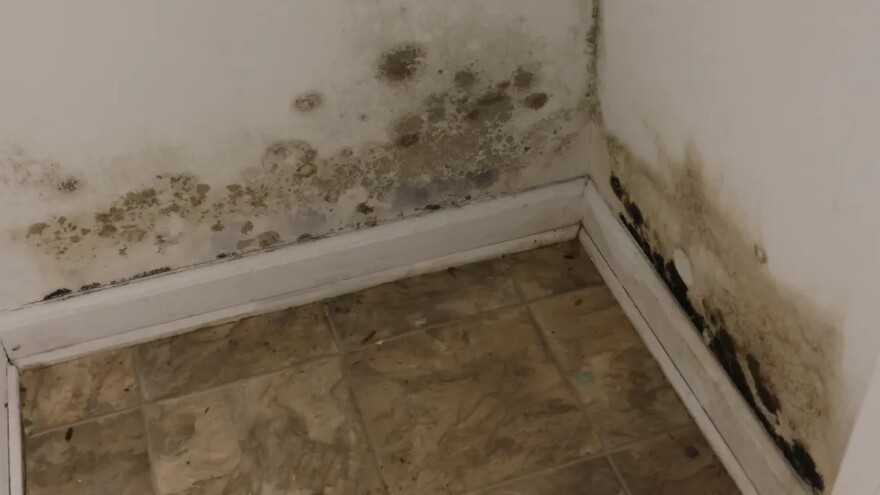
Hurricanes and tropical storms are part of life in Rockledge and throughout Brevard County. Most homeowners prepare for wind and flooding, but many don’t realize the biggest long-term threat after a storm often isn’t structural damage — it’s mold.
In the days and weeks following hurricanes, homes across Rockledge, Melbourne, Palm Bay, Merritt Island, and Cocoa frequently develop mold due to lingering moisture. Even minor water intrusion can lead to mold growth if areas don’t dry properly.
Understanding why mold develops after hurricanes and how to address it early can help homeowners prevent larger repairs and recurring moisture problems.
How Hurricanes Lead to Mold Growth
Mold needs moisture to grow, and hurricanes introduce moisture into homes in many ways.
Even homes that avoid major flooding often experience:
• Roof leaks from wind damage
• Water entering around windows or doors
• Saturated insulation or drywall
• Flooding or standing water
• AC system issues after power outages
• High indoor humidity when homes remain closed
When moisture stays trapped in walls, ceilings, or flooring, mold spores naturally present in the environment begin growing within 24 to 48 hours.
Because some damage is hidden, mold can develop quietly before homeowners realize there’s a problem.
Why Hurricane Mold Problems Are Common in Brevard County
Brevard County homes face several factors that increase mold risk after storms.
Wind-Driven Rain
Hurricanes push rain sideways, forcing water into small openings around roofs, siding, and windows.
Power Outages
When air conditioning stops running, humidity levels quickly rise inside homes.
Flooding and Ground Saturation
Low-lying areas in Rockledge and nearby communities may experience yard flooding or foundation moisture intrusion.
Storm Damage That Isn’t Immediately Visible
Small roof or siding damage sometimes goes unnoticed until mold spreads later.
High Humidity After Storms
Even once storms pass, Florida’s humidity slows drying and allows mold to grow.
Because storms often occur during hot, humid months, conditions are ideal for mold development.
Signs Mold May Be Growing After a Hurricane
Homeowners sometimes don’t connect mold problems to storm events weeks earlier.
Common warning signs include:
• Musty smells inside the home
• Ceiling or wall stains
• Paint peeling or bubbling
• Mold spots appearing on walls or ceilings
• Soft drywall or swollen baseboards
• Warped flooring
• Increased indoor humidity
• Mold returning after cleaning
Sometimes mold growth begins in hidden spaces and becomes visible later.
If odors or stains appear after storms, moisture may still be trapped inside building materials.
Hidden Areas Mold Often Develops After Storms
Not all storm damage is obvious. Mold frequently grows in areas homeowners rarely inspect.
Inside Walls
Water entering around windows or rooflines can soak drywall and framing.
Attics
Roof leaks allow moisture to settle on insulation and wood surfaces.
Under Flooring
Flooding or water intrusion may trap moisture beneath flooring materials.
HVAC Systems
Air conditioning systems affected by power outages or flooding may develop mold inside ducts or air handlers.
Crawl Spaces
Flooded or saturated ground under homes creates long-term moisture problems.
Because these areas are hidden, mold growth can spread before detection.
Why Ignoring Post-Storm Moisture Makes Mold Worse
After storms, many homeowners focus on visible damage while hidden moisture remains untreated.
Ignoring moisture can lead to:
• Mold spreading behind walls
• Structural materials deteriorating
• Indoor air quality issues
• Expensive drywall and flooring replacement
• Recurring mold problems
The longer materials remain damp, the more extensive contamination becomes.
Even small leaks can lead to widespread mold if not addressed quickly.
Why DIY Cleanup Often Falls Short After Hurricanes
Some homeowners attempt cleanup themselves after storms, especially if damage appears minor.
However, common DIY approaches often miss hidden problems.
Typical mistakes include:
• Cleaning visible mold without removing wet materials
• Using fans that spread mold spores
• Painting over stains
• Failing to dry wall cavities
• Ignoring attic or crawl space moisture
Without proper drying and inspection, mold frequently returns.
Storm damage often extends beyond what homeowners can easily see.
How Professional Mold Inspection Helps After Hurricanes
A professional inspection helps determine how far moisture spread and where mold may be developing.
A proper inspection typically includes:
Visual Examination
Inspectors check ceilings, walls, attics, and common moisture areas.
Moisture Detection Tools
Meters identify wet materials behind surfaces.
Thermal Imaging
Infrared cameras reveal hidden moisture patterns.
HVAC Inspection
Systems are checked for moisture or contamination.
Air or Surface Testing (If Needed)
Testing confirms contamination levels when necessary.
Companies like Brevard Mold Inspections & Removal regularly help Rockledge homeowners identify hidden moisture left behind after storms.
Inspection helps determine whether mold risks exist before problems become severe.
Proper Mold Remediation After Storm Damage
Professional remediation focuses on both cleanup and moisture correction.
Typical remediation steps include:
Containment Setup
Preventing mold spores from spreading into unaffected areas.
HEPA Air Filtration
Filtering airborne mold particles during work.
Removal of Damaged Materials
Wet drywall, insulation, or flooring may require replacement.
Professional Cleaning and Treatment
Affected surfaces are cleaned and treated safely.
Moisture Source Repair
Roof repairs, sealing, or ventilation improvements prevent recurrence.
The goal is restoring safe conditions and preventing mold from returning.
How Homeowners Can Reduce Mold Risk After Hurricanes
Quick action after storms significantly reduces mold risk.
Homeowners across Rockledge and Brevard County can help prevent mold by:
• Inspecting homes after storms for leaks
• Drying wet areas immediately
• Running dehumidifiers if power returns quickly
• Checking attics and ceilings for moisture
• Repairing roof or window damage promptly
• Cleaning AC drain lines and checking HVAC systems
• Removing wet materials quickly
Early response prevents mold from gaining a foothold.
Why Local Brevard County Experience Matters
Storm-related mold problems in Florida behave differently than in inland regions.
Local professionals understand:
• Hurricane damage patterns
• Coastal moisture impacts
• Common Brevard County construction styles
• Slab foundation moisture behavior
• Attic and ventilation challenges after storms
Local knowledge allows inspectors to quickly identify typical post-storm mold risks.
Brevard Mold Inspections & Removal regularly assists homeowners across Rockledge and surrounding communities dealing with moisture problems following hurricanes.
A Calm Next Step for Homeowners
Storm damage can feel overwhelming, and mold concerns often appear after homeowners think recovery is complete.
If musty odors, stains, or moisture issues show up after hurricanes, a professional inspection can help determine whether hidden mold risks remain.
Often, addressing moisture early prevents larger repairs later.
Taking action after storms helps protect both your home and indoor comfort — especially in Brevard County’s climate, where mold can begin growing quickly once moisture remains trapped.