
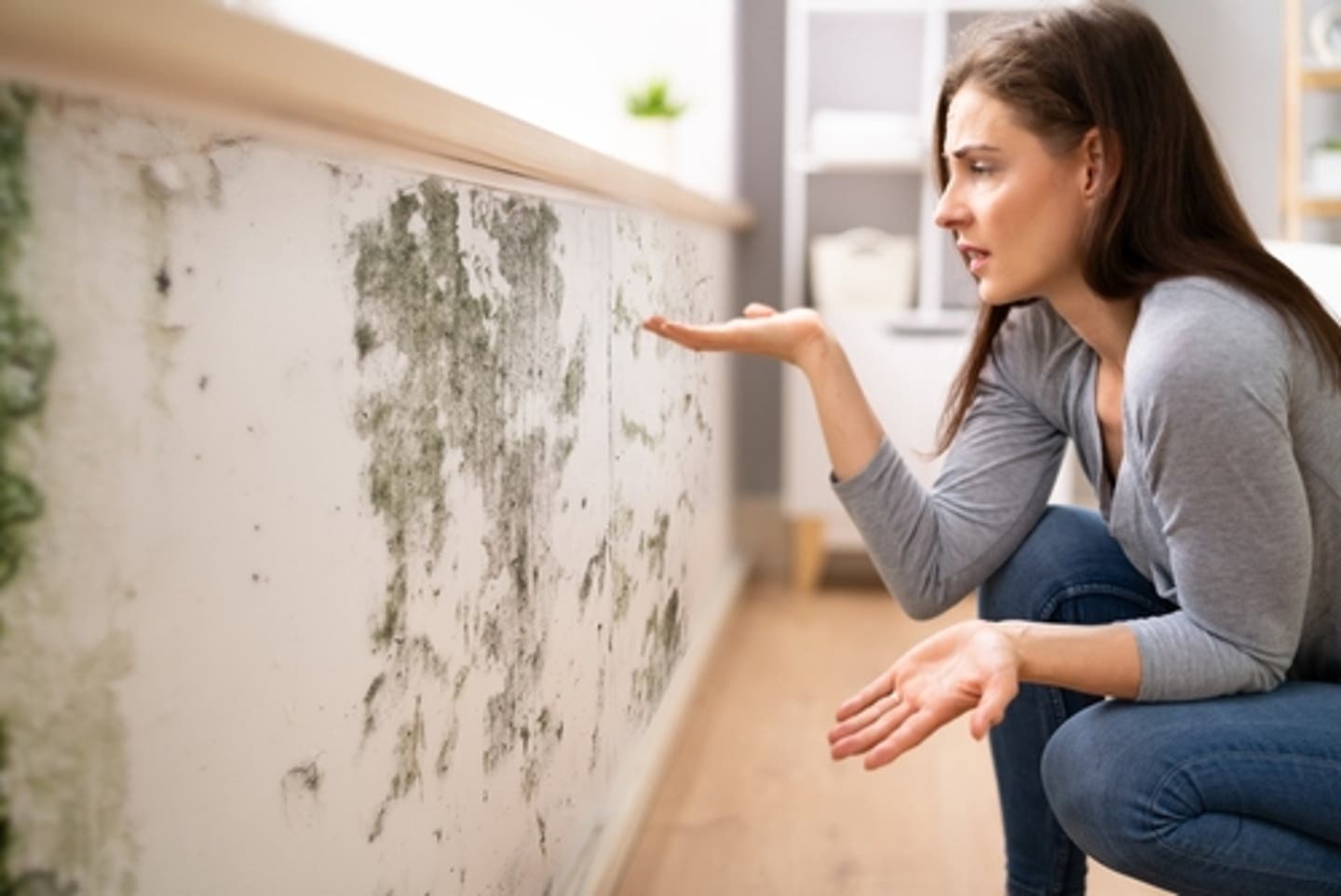
Finding mold inside your home in Cape Canaveral can feel overwhelming. Many homeowners worry about how serious the problem is, how much repair might be needed, and whether mold will return even after cleaning.
In Brevard County’s coastal climate, mold growth is unfortunately common. Humidity, storms, air conditioning condensation, and everyday moisture allow mold to grow quickly when problems go unnoticed. The good news is that when mold removal is handled properly — and moisture sources are corrected — most homes can be restored without long-term issues.
Understanding how mold removal works and why professional remediation focuses on more than surface cleaning can help homeowners make confident decisions if mold appears.
What Mold Removal Actually Means
Many people think mold removal simply involves scrubbing mold away. In reality, proper mold remediation is about safely removing contamination and correcting the moisture problem that caused mold to grow.
Professional mold removal focuses on:
• Identifying the moisture source
• Preventing mold spores from spreading
• Safely removing contaminated materials
• Cleaning affected areas properly
• Drying and restoring affected spaces
If moisture remains, mold usually returns. That’s why remediation always includes solving the underlying moisture issue.
In Cape Canaveral homes, mold problems are often tied to coastal humidity, storms, or AC system condensation.
Why Mold Problems Are Common in Cape Canaveral Homes
Living near the ocean brings beautiful views but also constant exposure to moisture.
Several local factors contribute to mold growth.
Coastal Humidity
Cape Canaveral homes experience high humidity most of the year, allowing mold to grow quickly on damp materials.
Storm and Hurricane Exposure
Wind-driven rain during storms can push moisture into homes through small openings.
AC Systems Running Constantly
Air conditioners create condensation that sometimes leaks into walls or ceilings.
Vacation and Rental Homes
Homes left closed for extended periods may develop humidity buildup indoors.
Older Coastal Construction
Some older homes may lack modern ventilation or moisture controls.
Because moisture problems can develop quietly, mold sometimes spreads before homeowners notice it.
Signs Mold Removal May Be Needed
Homeowners often discover mold after noticing changes inside their homes.
Common warning signs include:
• Musty odors that persist
• Mold spots appearing on walls or ceilings
• Peeling or bubbling paint
• Stains forming after storms or leaks
• Mold returning after cleaning
• Warped baseboards or flooring
• Increased humidity indoors
Mold often begins behind surfaces, so visible mold may only be part of the problem.
If mold keeps coming back, moisture likely remains somewhere in the home.
Hidden Areas Mold Often Affects
Mold frequently spreads in areas homeowners rarely see.
Professional inspections often find contamination in:
Behind Drywall
Plumbing leaks or roof moisture soak wall cavities.
Under Flooring
Flooding or leaks trap moisture under flooring materials.
Attics
Roof leaks or ventilation issues allow mold growth above ceilings.
Crawl Spaces
Ground moisture and poor airflow create damp conditions.
HVAC Systems
Mold inside ducts spreads spores throughout homes.
Because mold often grows unseen, remediation sometimes involves opening small sections of walls or ceilings.
Why DIY Mold Removal Often Fails
Homeowners sometimes try to handle mold themselves, especially when growth appears minor.
However, DIY cleanup often leads to recurring problems.
Common mistakes include:
• Cleaning mold without fixing moisture sources
• Using bleach on porous materials
• Painting over mold stains
• Spreading spores during cleaning
• Missing hidden contamination
Disturbing mold without containment can also spread spores into other rooms.
Professional remediation helps ensure cleanup is thorough and safe.
How Professional Mold Removal Works
Proper remediation follows a structured process to protect both the home and occupants.
Inspection and Moisture Detection
Professionals identify moisture sources and contamination areas.
Containment Setup
Affected areas are sealed to prevent spore spread.
HEPA Air Filtration
Air filtration systems capture airborne mold particles.
Removal of Contaminated Materials
Wet or mold-damaged drywall, insulation, or flooring may require removal.
Cleaning and Treatment
Remaining surfaces are professionally cleaned.
Drying and Moisture Correction
Leaks or ventilation problems are corrected.
Restoration
Removed materials are replaced after cleanup.
The goal is to prevent mold from returning.
Companies like Brevard Mold Inspections & Removal regularly help homeowners across Cape Canaveral and Brevard County address mold problems caused by Florida’s climate.
How Long Mold Removal Takes
Every situation is different, but timelines often depend on:
• Size of the affected area
• Amount of moisture present
• Materials needing removal
• Accessibility of contaminated spaces
Small localized issues may take a day or two, while larger problems require more time.
Acting early usually shortens the process.
Preventing Mold After Remediation
After mold removal, preventing moisture problems helps protect the home long term.
Homeowners in Cape Canaveral and surrounding communities can reduce mold risk by:
• Maintaining AC systems annually
• Running exhaust fans during showers
• Monitoring indoor humidity levels
• Fixing plumbing leaks promptly
• Checking homes after storms
• Cleaning AC drain lines regularly
• Ensuring good ventilation in storage areas
• Inspecting attics and crawl spaces periodically
Routine maintenance helps avoid future mold growth.
Why Local Brevard County Experience Matters
Florida homes face moisture challenges not seen in drier regions.
Local professionals understand:
• Coastal humidity impacts
• Hurricane-related moisture risks
• Florida construction styles
• Slab foundation moisture behavior
• AC condensation challenges
Local experience allows inspectors to quickly identify common moisture sources.
Brevard Mold Inspections & Removal works with homeowners across Cape Canaveral and surrounding communities facing mold challenges unique to coastal living.
A Calm Next Step for Homeowners
Discovering mold in your home can feel stressful, but most problems are manageable when handled early and properly.
If you notice mold growth, musty odors, or moisture issues, a professional inspection can help determine the best path forward.
Often, correcting moisture sources and addressing contamination early prevents more extensive repairs later.
Taking action quickly helps protect both your home and indoor comfort — especially in Brevard County’s humid coastal climate where mold grows rapidly when moisture remains.