
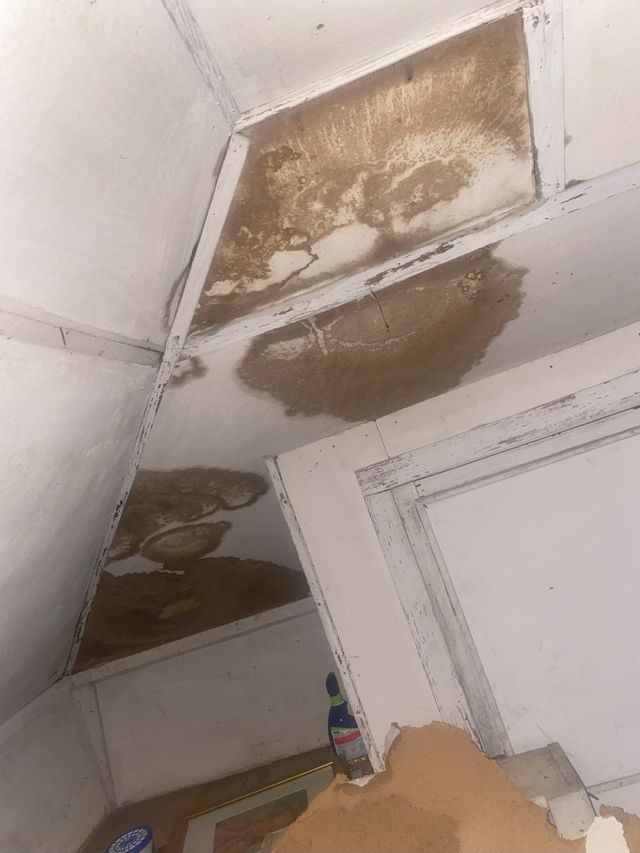
Humidity and Mold in Palm Bay: What Homeowners in Brevard County Should Know
Palm Bay homeowners enjoy warm weather, coastal access, and year-round outdoor living. But with Florida’s climate comes one persistent challenge inside many homes: humidity — and the mold problems that often follow.
Across Brevard County, from Melbourne and Palm Bay to Cocoa, Titusville, and Satellite Beach, mold inspections frequently trace back to excessive indoor moisture. Many homeowners assume mold only appears after flooding or leaks, but in reality, high humidity alone can create the conditions mold needs to grow.
Often the issue develops quietly. A home may look clean and dry, yet mold can grow behind walls, inside closets, in attics, or around air conditioning systems without immediate warning.
Understanding how humidity affects homes in Palm Bay helps homeowners protect their property and prevent costly problems down the road.
Understanding the Link Between Humidity and Mold
Mold spores are naturally present everywhere outdoors in Florida. They enter homes constantly through open doors, windows, pets, clothing, and air systems.
Normally, spores inside a home aren’t an issue — unless moisture is present.
Mold needs three things to grow:
• Moisture
• Warm temperatures
• Organic material like drywall or wood
Palm Bay homes easily provide the last two. The missing piece is often indoor humidity.
When indoor humidity stays above about 60%, moisture begins collecting on surfaces, inside walls, and in cooler areas of the home. This creates enough dampness for mold to begin forming even without a visible leak.
Many homeowners are surprised to learn mold can develop without flooding or plumbing failures.
Why Palm Bay Homes Face Humidity Challenges
Brevard County’s climate plays a major role in indoor moisture problems.
Palm Bay experiences long periods of high humidity, especially during spring and summer. Afternoon storms and tropical weather increase moisture levels even further.
Air conditioning systems are designed to remove humidity, but several factors can limit effectiveness:
• Oversized AC units cool air quickly but don’t remove enough moisture
• Poor maintenance reduces system efficiency
• Clogged drain lines cause condensation buildup
• Ductwork in hot attics can sweat and drip moisture
Homes near coastal communities like Cape Canaveral and Cocoa Beach also experience salt air and wind-driven humidity that finds its way indoors.
Newer homes built to be energy efficient can sometimes trap humidity inside if ventilation isn’t adequate, while older homes in areas like Rockledge or Titusville may lack proper moisture control features.
Signs Humidity Is Creating Mold Conditions
Humidity-related mold often appears gradually, making early signs easy to overlook.
Homeowners commonly notice:
• Musty odors in certain rooms
• Mold spots on ceilings or walls
• Mold around air vents or windows
• Peeling paint or bubbling drywall
• Damp-feeling air indoors
• Condensation on windows or surfaces
Closets on exterior walls often develop mold because air circulation is limited and humidity becomes trapped.
Bathrooms, laundry rooms, and kitchens also experience mold growth due to regular moisture exposure combined with inadequate ventilation.
Some residents report allergy-like irritation indoors, though reactions vary widely and shouldn’t automatically be attributed to mold.
Hidden Mold Areas Caused by Humidity
One of the biggest challenges in Palm Bay homes is mold growing where it can’t easily be seen.
Common hidden locations include:
Behind drywall where humid air condenses
Inside attics with poor ventilation
Under flooring exposed to moisture
Behind cabinets or large furniture
Inside HVAC air handlers or ducts
Crawl spaces beneath older homes
Homes that experienced past moisture issues sometimes continue harboring mold if materials never fully dried.
In many inspections, visible mold turns out to be only a small portion of the overall problem.
Why Ignoring Humidity Problems Leads to Bigger Issues
Humidity problems don’t fix themselves.
When moisture remains high inside a home, mold continues spreading into building materials. Over time, this can lead to:
Damaged drywall and ceilings
Warped flooring
Odor problems throughout the home
Higher remediation costs
Reduced indoor comfort
Homeowners sometimes attempt quick fixes like wiping visible mold away, but without addressing humidity, mold almost always returns.
Ignoring early warning signs allows damage to spread quietly behind surfaces.
Why DIY Mold Cleanup Often Doesn’t Work
Many Palm Bay homeowners try cleaning mold themselves, especially when spots appear small.
The problem is that cleaning visible mold rarely addresses hidden moisture.
Bleach and household cleaners may remove stains but don’t penetrate porous materials where mold roots remain alive. Mold quickly regrows once humidity rises again.
DIY cleanup can also spread spores into other rooms, especially if contaminated areas are scrubbed or disturbed without containment.
Fans or air movers used improperly can push mold spores through the home, making the problem larger.
Without fixing humidity issues, mold simply returns.
What Professional Mold Inspection Looks For
Professional inspections focus on identifying both mold growth and moisture conditions.
A typical inspection includes:
A full visual examination of the home
Moisture readings inside walls and flooring
Inspection of attics and HVAC systems
Checking ventilation and airflow conditions
Thermal imaging to find hidden moisture
Air or surface sampling if needed
The goal is determining why mold developed, not just confirming that it exists.
This information helps homeowners take the right corrective steps.
How Mold Remediation Addresses Humidity Problems
When mold is confirmed, remediation focuses on safe removal and prevention.
Proper remediation typically includes:
Containment to prevent mold spread
Air filtration during cleanup
Removal of contaminated materials
Cleaning salvageable surfaces
Drying affected structures
Addressing moisture sources
Humidity control becomes a critical part of the solution. This may involve improving ventilation, repairing AC systems, or adding dehumidification in problem areas.
Local companies such as Brevard Mold Inspections & Removal understand how Florida’s humidity affects homes and tailor solutions accordingly.
Practical Steps to Reduce Humidity in Palm Bay Homes
Prevention often comes down to controlling indoor moisture.
Homeowners can reduce mold risk by:
Keeping indoor humidity below 60%
Maintaining AC systems annually
Ensuring condensate drains stay clear
Using exhaust fans during cooking and showers
Running dehumidifiers in damp areas
Inspecting attics and closets periodically
Fixing leaks immediately
Improving airflow in storage areas
Small adjustments can dramatically reduce mold risk in Florida homes.
Why Local Experience Matters in Brevard County
Humidity behaves differently in coastal Florida than in other parts of the country.
Palm Bay homes deal with year-round moisture, heavy rains, and coastal air. Construction styles vary widely between neighborhoods and building eras.
Local professionals understand typical trouble spots in homes from Melbourne and Palm Bay to Merritt Island and Cocoa.
Experience with local climate conditions helps inspectors quickly identify moisture patterns and recommend practical solutions tailored to Brevard County homes.
Getting Help Before Mold Spreads
Humidity-related mold problems often develop slowly, which gives homeowners a chance to address issues early.
If you notice musty smells, mold spots, or ongoing moisture concerns in your Palm Bay home, a professional inspection can provide clarity.
Brevard Mold Inspections & Removal assists homeowners throughout Brevard County with calm, practical evaluations focused on solving problems rather than creating unnecessary worry.
Addressing humidity and mold early typically leads to faster, easier, and more affordable solutions — keeping homes across Palm Bay healthy and comfortable throughout the year.