
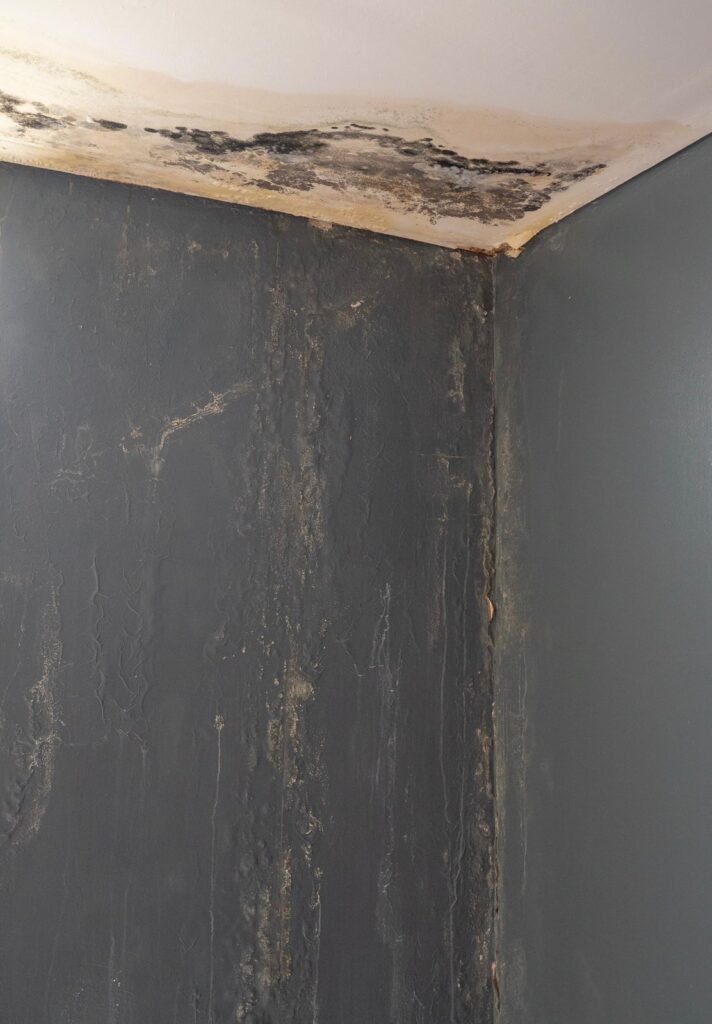
Toxic Mold in Palm Bay: What Homeowners in Brevard County Should Know
The phrase “toxic mold” gets used a lot in Florida — especially after heavy storms or plumbing leaks. In Palm Bay and throughout Brevard County, homeowners often hear alarming stories about black mold and serious health risks.
The reality is more balanced.
Mold is common in Florida. It exists naturally outdoors and indoors in small amounts. Problems arise when moisture allows mold to grow excessively inside a home. Some molds can produce compounds known as mycotoxins under certain conditions, which is why the term “toxic mold” became popular. But not every dark-colored mold is dangerous, and not every mold issue is severe.
If you live in Palm Bay, Melbourne, Rockledge, or anywhere in Brevard County, understanding what “toxic mold” actually means — and how to respond — helps you make calm, informed decisions.
What People Mean by “Toxic Mold”
When homeowners say “toxic mold,” they are often referring to certain types of mold that may produce mycotoxins, such as Stachybotrys (sometimes called black mold).
However, several important points are worth understanding:
- Mold color does not determine toxicity.
- Many molds can appear dark or black.
- The presence of mold indicates moisture.
- Not all molds produce toxins, and not all growth leads to exposure concerns.
In most cases, the bigger issue is uncontrolled moisture — not the specific species.
Why Mold Grows So Easily in Palm Bay
Palm Bay’s climate creates ideal mold conditions.
Contributing factors include:
High humidity year-round
Outdoor humidity frequently exceeds 70%, especially in summer.
Heavy rainfall and hurricane season
Wind-driven rain can penetrate small openings in roofs and windows.
Slab foundation homes
Moisture can migrate upward through concrete after extended rainfall.
Constant AC usage
Improperly maintained systems can contribute to condensation problems.
Warm temperatures
Mold thrives in Florida’s heat.
In this environment, mold growth after water intrusion can begin within 24–48 hours if materials remain wet.
Common Places Mold Develops in Palm Bay Homes
In Brevard County homes, mold is often found in:
- Attics with poor ventilation
- Bathrooms with inadequate exhaust
- Behind drywall after plumbing leaks
- Under flooring after water intrusion
- Inside HVAC systems
- Crawl spaces with high ground moisture
In many cases, homeowners discover mold during a roof replacement, remodeling project, or real estate transaction.
The presence of mold typically indicates a moisture imbalance rather than a rare environmental hazard.
Possible Health Effects of Mold Exposure
Reactions to mold vary significantly.
Some individuals may experience:
- Nasal irritation
- Sneezing
- Eye irritation
- Throat discomfort
- Increased sensitivity if they already have allergies or asthma
It’s important not to make medical conclusions without proper evaluation. Many indoor air quality factors — including pollen, dust, and pet dander — can cause similar symptoms.
The key takeaway is this: if mold growth is present, the moisture source should be corrected to maintain a stable indoor environment.
Why Color and Appearance Can Be Misleading
One of the biggest misconceptions in Palm Bay homes is that black mold automatically means “toxic mold.”
In reality:
- Many harmless molds appear dark.
- Some molds that produce mycotoxins are not black.
- Visual identification alone is unreliable.
Professional testing, when necessary, identifies mold types more accurately.
But again, even when certain species are identified, correcting moisture remains the primary solution.
Why Ignoring Mold Is Not a Good Idea
Even if health concerns are uncertain, mold can still cause:
- Structural wood damage
- Drywall deterioration
- Insulation breakdown
- Persistent odors
- Reduced indoor comfort
In homes in Melbourne and Satellite Beach, attic mold left untreated has led to roof sheathing damage over time.
Early correction keeps repairs manageable.
What a Professional Mold Inspection Involves
If you suspect mold in your Palm Bay home, a structured inspection provides clarity.
At Brevard Mold Inspections & Removal, inspections typically include:
Visual Assessment
Examining moisture-prone areas.
Moisture Detection
Using meters to identify elevated moisture inside materials.
Thermal Imaging
Detecting cooler areas that may indicate hidden moisture.
Humidity Measurements
Evaluating indoor moisture balance.
Mold Testing (When Appropriate)
Air or surface samples may be collected and analyzed by a laboratory if documentation is needed.
Testing is particularly useful in real estate transactions or when homeowners want confirmation of mold type.
The purpose is not to create alarm — it is to determine whether mold growth is present and why.
Proper Mold Remediation Approach
If mold is confirmed, remediation focuses on two priorities:
- Correcting the moisture source
- Safely removing affected materials
This may include:
- Repairing leaks
- Improving ventilation
- Removing damaged drywall
- Cleaning structural wood
- Using containment to prevent spore spread
- Verifying dryness before rebuilding
Proper containment protects unaffected areas of the home during cleanup.
Remediation should always address moisture first — otherwise mold will return.
Preventing Mold in Palm Bay Homes
Prevention is practical and ongoing.
Homeowners in Palm Bay, Viera, and Rockledge can:
- Maintain indoor humidity between 45–55%
- Service HVAC systems annually
- Clean condensate drain lines
- Inspect roofs yearly
- Check attic ventilation
- Repair leaks immediately
- Inspect ceilings and walls after storms
In coastal areas like Cocoa Beach and Cape Canaveral, exterior maintenance is especially important due to wind-driven rain.
Moisture control is the foundation of mold prevention.
Why Local Experience Matters
Mold behaves differently in Florida than in dry states.
Palm Bay homes face:
- High humidity year-round
- Hurricane exposure
- Slab foundation moisture movement
- Warm attic temperatures
- Heavy AC usage
A local inspection professional understands how these environmental conditions influence moisture patterns.
Brevard Mold Inspections & Removal evaluates mold concerns with Florida-specific knowledge, helping homeowners take measured, informed action rather than reacting to alarming headlines.
A Calm, Informed Approach
Hearing the term “toxic mold” can cause understandable concern. But the presence of mold primarily signals a moisture issue — not an automatic health emergency.
If you notice:
- Persistent musty odors
- Visible growth
- Repeated water intrusion
- Elevated indoor humidity
A professional inspection can:
- Confirm whether mold is present
- Identify the moisture source
- Determine scope
- Provide practical next steps
Often, the solution is straightforward — improved ventilation, leak repair, or targeted remediation.
In Brevard County’s humid climate, mold management is part of homeownership.
With proper inspection, moisture control, and local expertise, mold in Palm Bay homes can be handled effectively — without unnecessary fear and without delay.