
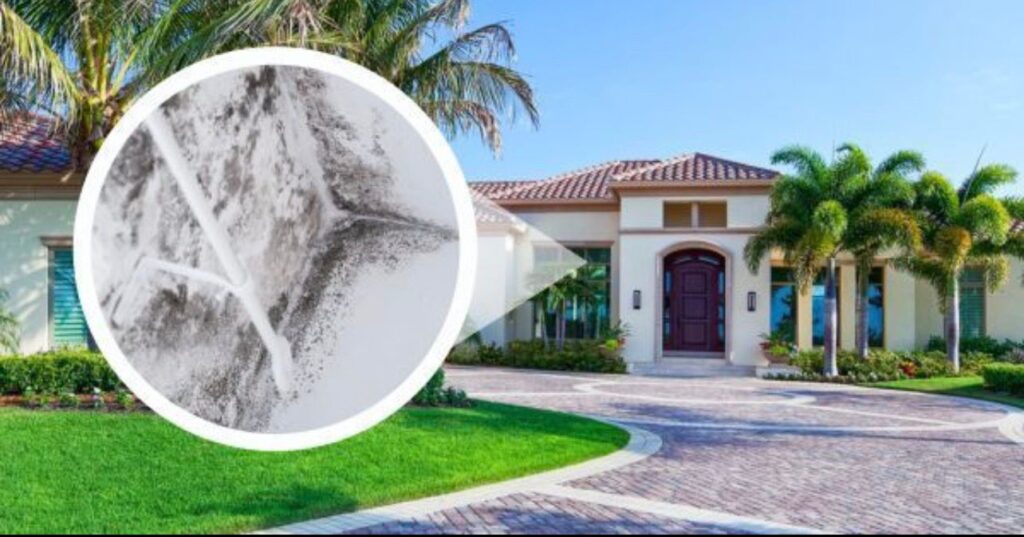
Mold Prevention in Cocoa Beach: What Homeowners in Brevard County Should Know
Living in Cocoa Beach has obvious benefits — ocean views, steady breezes, and a laid-back coastal lifestyle. But along with those advantages comes something every Brevard County homeowner has to manage: moisture.
In Cocoa Beach, humidity isn’t seasonal. It’s constant. Add in hurricane season, wind-driven rain, salt air, slab foundations, and heavy air conditioning use, and you have the perfect conditions for mold growth.
The good news? Mold prevention in Florida is absolutely possible. It requires awareness, consistent maintenance, and understanding how moisture behaves in coastal homes.
If you own a home in Cocoa Beach — or nearby in Satellite Beach, Cape Canaveral, Merritt Island, or Melbourne — here’s what you should know about preventing mold before it becomes a problem.
Why Mold Is So Common in Cocoa Beach
Mold needs three things to grow:
- Moisture
- Organic material (like drywall or wood)
- Warm temperatures
Cocoa Beach provides all three naturally.
Outdoor humidity levels frequently stay above 70%. That moisture enters homes through normal airflow, door openings, and even small building envelope gaps.
Storms add additional moisture exposure. During hurricane season, wind-driven rain can push water into areas that appear sealed under normal conditions.
Even without visible leaks, Florida homes constantly manage moisture.
The Most Common Mold-Prone Areas in Brevard County Homes
Understanding where mold typically develops helps with prevention.
In Cocoa Beach homes, problem areas often include:
- Bathrooms
- Attics
- Crawl spaces
- HVAC systems
- Closets along exterior walls
- Around windows and sliding doors
- Under laminate or vinyl plank flooring
Each of these areas tends to trap humidity or experience condensation.
Prevention begins with moisture awareness in these spaces.
Controlling Indoor Humidity Is the First Step
Humidity control is the foundation of mold prevention.
In Brevard County homes, indoor humidity should ideally remain between 45–55%. Once levels consistently exceed 60%, mold risk increases.
Ways to control indoor humidity:
- Service your HVAC system annually
- Clean AC condensate drain lines
- Replace air filters regularly
- Run bathroom exhaust fans during and after showers
- Use kitchen ventilation when cooking
- Consider a whole-home dehumidifier if needed
In coastal communities like Cocoa Beach and Satellite Beach, outside humidity remains high even on dry days. That makes HVAC performance critical.
Oversized AC systems can cool the home quickly but fail to remove sufficient moisture. Balanced system sizing matters.
Roof and Exterior Maintenance Matter More Than You Think
Mold prevention often begins outside the home.
In Cocoa Beach and Cape Canaveral, roof systems face constant exposure to:
- Salt air
- Wind
- UV radiation
- Storm-driven rain
Small roof issues may not cause immediate leaks but can allow slow moisture intrusion.
Annual roof inspections help identify:
- Loose shingles
- Damaged flashing
- Sealant deterioration
- Vent boot wear
Window and door seals should also be inspected regularly. Wind-driven rain during storms can penetrate minor gaps.
Exterior maintenance reduces hidden moisture before it begins.
Attic Ventilation and Mold Prevention
Attics in Melbourne, Rockledge, and Cocoa Beach experience extreme heat and humidity.
Poor ventilation can trap moisture under roof decking.
Preventative steps include:
- Ensuring soffit vents are clear
- Confirming ridge vents are unobstructed
- Making sure bathroom fans vent outside — not into the attic
- Inspecting attic insulation regularly
When humid air lingers in attic spaces, condensation forms on wood sheathing, creating ideal mold conditions.
Balanced airflow is critical in Florida homes.
Managing Bathrooms and Kitchens
Bathrooms and kitchens generate daily moisture.
To prevent mold:
- Run exhaust fans during showers and cooking
- Leave bathroom doors open afterward to increase airflow
- Wipe down wet surfaces
- Repair plumbing leaks immediately
- Monitor grout and caulking
In older Cocoa or Titusville homes, outdated ventilation systems may need upgrading.
Consistent airflow reduces condensation.
HVAC Systems and Mold Prevention
HVAC systems in Brevard County run nearly year-round.
Preventative measures include:
- Annual professional servicing
- Drain line flushing
- Inspecting air handler drain pans
- Ensuring duct insulation is intact
- Monitoring for musty odors
In many Viera and Palm Bay homes, HVAC systems are installed in attics or garages — areas already prone to humidity.
A well-maintained HVAC system is one of the strongest mold prevention tools in Florida.
Crawl Spaces and Slab Foundations
Some Cocoa Beach homes have crawl spaces, while others sit on slab foundations.
For crawl spaces:
- Install heavy-duty vapor barriers
- Monitor humidity levels
- Ensure proper drainage around the home
For slab homes:
- Watch for moisture wicking near baseboards
- Address standing water near foundations
- Maintain proper grading
Moisture doesn’t always enter from above. Ground vapor can contribute significantly in coastal areas.
After Storm Season: A Critical Inspection Time
Hurricane season in Brevard County is a key mold prevention period.
After major storms:
- Inspect ceilings for stains
- Check attic spaces
- Look for musty odors
- Examine exterior seals
- Ensure no standing water remains near the foundation
Wind-driven rain can enter small openings that go unnoticed until mold develops weeks later.
Early inspection prevents larger issues.
Why Early Detection Matters
Prevention doesn’t mean eliminating all moisture — it means catching problems early.
Small issues are easier to correct than widespread contamination.
If you notice:
- Persistent musty smells
- Recurring mildew
- Discoloration spreading
- Increased indoor humidity
A professional inspection provides clarity.
Brevard Mold Inspections & Removal often works with Cocoa Beach homeowners who simply want reassurance that moisture levels are stable.
Prevention sometimes means confirming there isn’t a problem.
The Value of Local Knowledge
Mold prevention strategies in Arizona won’t work in Cocoa Beach.
Brevard County homes face:
- Constant ocean humidity
- Salt exposure
- Hurricane-driven rain
- High attic temperatures
- Year-round AC use
Local experience matters when identifying how moisture moves in Florida construction styles.
Brevard Mold Inspections & Removal evaluates homes with a clear understanding of Brevard County’s specific climate challenges, helping homeowners create practical prevention plans.
A Practical, Calm Approach to Mold Prevention
Mold prevention in Cocoa Beach isn’t about fear. It’s about routine awareness.
Focus on:
- Humidity control
- Ventilation
- Roof and exterior maintenance
- HVAC servicing
- Prompt leak repair
- Post-storm inspections
Moisture is part of living in Brevard County. Managing it consistently protects your home long term.
If you’re unsure whether your home’s moisture levels are stable, a professional inspection can provide clear answers.
With proactive maintenance and local expertise, mold prevention in Cocoa Beach is completely achievable — even in Florida’s humid coastal climate.