
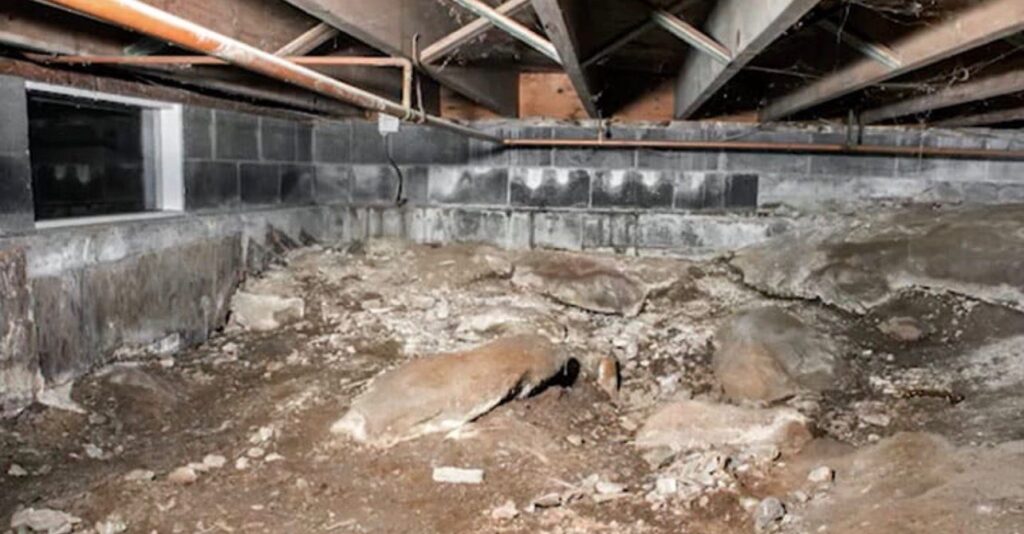
Mold in Crawl Spaces in Satellite Beach: What Homeowners in Brevard County Should Know
Crawl spaces aren’t something most homeowners in Satellite Beach think about very often. They’re out of sight, rarely visited, and easy to forget — until there’s a problem.
In Brevard County, crawl spaces can become one of the most common hidden sources of mold. Between coastal humidity, heavy rainfall, high groundwater levels, and warm temperatures year-round, the conditions under homes are often ideal for moisture buildup.
If you own a home in Satellite Beach, Cocoa Beach, Indian Harbour Beach, or anywhere along the coast, understanding how mold develops in crawl spaces — and how to manage it — can prevent long-term structural damage and indoor air concerns.
Why Crawl Spaces Are So Vulnerable in Brevard County
Satellite Beach sits directly along the Atlantic Ocean. That coastal setting creates constant exposure to moisture.
Several local factors make crawl spaces particularly vulnerable:
High humidity year-round
Even on clear days, outdoor humidity often stays above 70%.
Coastal groundwater levels
Homes near the water table may experience moisture vapor rising from the soil.
Heavy rainstorms and hurricanes
Storm systems can saturate the ground quickly, increasing moisture under homes.
Limited ventilation
Many older crawl spaces in Melbourne and Titusville were designed with passive vents that don’t effectively manage Florida humidity.
When warm, humid air enters a cooler crawl space, condensation can form on wood framing and subfloor materials. That thin layer of moisture is all mold needs to grow.
How Mold Develops in Crawl Spaces
Mold doesn’t require standing water. It needs moisture and organic material.
In crawl spaces, common mold growth surfaces include:
- Wooden floor joists
- Subfloor sheathing
- Support beams
- Insulation facing
- Stored cardboard or debris
In Satellite Beach and Cocoa Beach homes, we often see mold forming on subflooring due to consistent humidity rather than a dramatic leak.
Over time, that growth can spread across structural wood components if moisture isn’t controlled.
Signs You May Have Crawl Space Mold
Because crawl spaces are hidden, signs often appear elsewhere in the home.
Homeowners in Rockledge and Palm Bay sometimes notice:
- Persistent musty odors indoors
- Increased indoor humidity
- Warped or cupped hardwood floors
- Soft spots in flooring
- Allergy-like irritation indoors
- Higher energy bills
Mold spores from crawl spaces can move upward into living areas through small gaps in flooring and duct systems.
If your home smells damp but you can’t find visible mold inside, the crawl space may be worth inspecting.
Why Satellite Beach Homes Are Especially at Risk
Homes in Satellite Beach and Indian Harbour Beach often sit close to sea level. That proximity to groundwater increases vapor intrusion from the soil.
Additional risk factors include:
- Sandy soil that drains quickly but retains humidity
- Salt air accelerating material wear
- Older construction methods without vapor barriers
- AC systems running constantly, pulling air from below
In some Brevard County homes, crawl space moisture isn’t from a leak at all — it’s vapor rising naturally from the ground.
Without a proper vapor barrier or moisture control system, that humidity accumulates.
The Risks of Ignoring Crawl Space Mold
Crawl space mold doesn’t typically stay confined.
If left unaddressed, it can contribute to:
- Wood deterioration
- Subfloor damage
- Insulation breakdown
- Increased indoor humidity
- Ongoing odor problems
Structural wood framing can weaken over time if moisture remains elevated.
Catching the issue early keeps repairs manageable.
Why DIY Cleaning Is Not Enough
It’s common for homeowners to try surface cleaning or spraying visible mold in crawl spaces.
However, this approach often misses the real issue: moisture control.
Common mistakes include:
- Spraying bleach without addressing humidity
- Ignoring soil vapor intrusion
- Leaving wet insulation in place
- Failing to improve ventilation
Bleach may lighten visible staining, but it does not correct moisture conditions in wood or soil.
Without correcting the source, mold typically returns.
What a Professional Crawl Space Inspection Includes
When homeowners suspect crawl space mold in Satellite Beach, a structured inspection provides clarity.
At Brevard Mold Inspections & Removal, a crawl space inspection typically involves:
Visual Assessment
Examining wood framing, subflooring, insulation, and vapor barriers.
Moisture Meter Testing
Measuring moisture levels in structural wood.
Humidity Readings
Checking ambient moisture levels under the home.
Vapor Barrier Evaluation
Assessing whether a proper ground cover exists.
Mold Testing (If Needed)
Air or surface samples may be collected to determine mold presence and concentration levels.
Testing isn’t always necessary, but it can provide documentation in real estate or insurance situations.
The goal is to determine whether moisture conditions are stable or require correction.
Proper Mold Remediation in Crawl Spaces
If mold is present, remediation focuses on both cleanup and moisture control.
The process may include:
- Correcting drainage issues
- Installing or repairing vapor barriers
- Removing damaged insulation
- Cleaning structural wood surfaces
- Applying appropriate antimicrobial treatments
- Improving ventilation or installing dehumidification systems
- Confirming moisture levels return to normal
Containment may be used to prevent spores from entering living areas during cleanup.
Effective remediation is about creating a dry environment — not just removing visible mold.
Preventing Crawl Space Mold in Brevard County
Prevention requires ongoing attention in Florida’s climate.
Practical steps for Satellite Beach homeowners include:
- Ensuring proper grading around the home
- Maintaining gutters and downspouts
- Installing a heavy-duty vapor barrier
- Monitoring crawl space humidity
- Improving ventilation where appropriate
- Servicing HVAC systems regularly
- Addressing plumbing leaks immediately
In coastal communities like Cocoa Beach and Cape Canaveral, routine exterior inspections are especially important after storm season.
Moisture management is part of owning a home in Brevard County.
Older vs. Newer Crawl Spaces
Older homes in Titusville or Cocoa may lack vapor barriers entirely.
Newer homes in Viera or Palm Bay may include basic ground covers but still struggle with ventilation in high-humidity months.
Each construction style presents different moisture patterns.
Understanding how your specific crawl space was built helps determine the right solution.
Why Local Expertise Matters
Crawl space mold in Florida behaves differently than in dry climates.
Satellite Beach homes face:
- Constant ocean humidity
- High groundwater levels
- Hurricane-driven rain
- Year-round AC use
- Warm soil temperatures
A local inspection professional understands these environmental factors and how they influence moisture movement.
Brevard Mold Inspections & Removal approaches crawl space inspections with Florida-specific knowledge, helping homeowners make informed decisions without unnecessary alarm.
A Calm, Practical Next Step
If you suspect mold in your crawl space — or notice persistent musty odors inside your Satellite Beach home — a professional inspection can provide clarity.
An evaluation can:
- Measure moisture levels
- Identify mold presence
- Determine the source
- Provide practical solutions
Sometimes improvements to ventilation or vapor barriers resolve the issue. Other times, targeted remediation prevents long-term structural damage.
Crawl spaces may be out of sight, but they shouldn’t be out of mind in Brevard County’s climate.
With proper moisture control and local expertise, mold in crawl spaces can be managed effectively — protecting both your home and your peace of mind.