
Mold Testing in Titusville: What Homeowners in Brevard County Should Know
In Titusville and throughout Brevard County, mold concerns are a regular part of homeownership. Between coastal humidity, heavy summer rains, and hurricane season, homes here constantly deal with moisture exposure. And where moisture lingers, mold often follows.
Many homeowners call for mold testing after noticing musty smells, visible staining, or allergy-like irritation indoors. Others request testing after storms, plumbing leaks, or when buying or selling a home.
But mold testing can be confusing. Homeowners often ask: Do I really need testing? What does it show? And what happens if mold is found?
Understanding how mold testing works in Florida homes can help Titusville residents make smart, calm decisions about protecting their homes and indoor air quality.
What Mold Testing Actually Means
Mold testing is a process used to determine whether elevated mold levels exist inside a home and, in some cases, identify what types of mold are present.
Testing is often recommended when:
• A musty smell is present but mold is not visible
• There has been recent water damage or flooding
• Homebuyers want indoor air quality information
• Homeowners want confirmation before or after remediation
• Health or air-quality concerns arise indoors
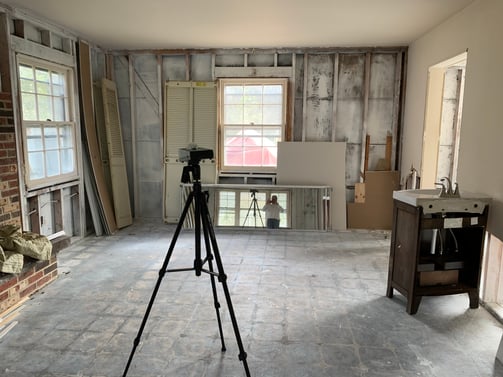
In many Florida homes, mold growth is hidden inside walls, under flooring, or within HVAC systems. Testing helps determine whether mold spores are circulating in the air even when mold itself cannot be seen.
It’s important to know that testing alone does not fix mold problems — it simply helps clarify what conditions exist.
Why Mold Testing Is Common in Brevard County Homes
Homes in Titusville and surrounding communities face environmental conditions that naturally encourage mold growth.
Year-Round Humidity
Even during winter, Brevard County remains humid. Indoor moisture levels can easily climb high enough to support mold.
Storms and Hurricanes
Heavy storms and hurricanes often push water into homes through roofs, windows, or siding. Moisture may dry on surfaces but remain trapped inside walls.
AC System Condensation
Air conditioners help remove humidity, but clogged condensate lines or leaking systems can introduce moisture into attics or closets.
Slab Construction
Most Florida homes sit on concrete slabs, trapping moisture under flooring after flooding or leaks.
Coastal Moisture Exposure
Titusville homes near the Indian River Lagoon often experience elevated humidity compared to inland properties.
Even homes in newer communities like Viera or Palm Bay experience mold issues when ventilation or moisture control is inadequate.
Signs That Often Lead Homeowners to Request Testing
Homeowners usually seek mold testing after noticing changes inside the home.
Common warning signs include:
• Persistent musty or damp smells
• Allergy-like irritation indoors
• Visible mold spots or staining
• Warped flooring or baseboards
• Ceiling or wall discoloration
• Damp closets or storage areas
• Increased condensation indoors
Sometimes, there are no obvious signs at all, but homeowners want reassurance after water damage or during a property purchase.
Testing helps provide clearer information about what may be happening indoors.
Where Mold Often Hides in Florida Homes
One reason mold testing becomes necessary is that mold frequently grows in hidden spaces.
Behind Drywall
Roof leaks, plumbing issues, or window intrusion can soak wall cavities without homeowners realizing it.
Under Flooring
Flooding or appliance leaks often leave moisture trapped beneath laminate or vinyl flooring.
Attics
Hot, humid attic spaces frequently develop mold after roof damage or poor ventilation.
HVAC Systems
Air ducts and air handlers can accumulate moisture, allowing mold spores to circulate throughout the home.
Bathrooms and Kitchens
Slow plumbing leaks behind cabinets often go unnoticed for long periods.
Homes inspected by Brevard Mold Inspections & Removal often show mold growth extending beyond the area where water originally entered.
Why DIY Testing Kits Often Cause Confusion
Many homeowners purchase DIY mold testing kits online, hoping for quick answers. Unfortunately, these kits frequently create confusion rather than clarity.
Common problems include:
• Mold spores exist everywhere naturally
• Kits often detect normal mold levels
• Results lack professional interpretation
• No moisture investigation is included
• Hidden mold remains undetected
A petri dish left open indoors will almost always grow mold because spores are naturally present. The key issue is determining whether indoor levels are elevated compared to outside air.
Professional testing helps interpret results in context.
How Professional Mold Testing Works
Professional mold testing is usually part of a broader inspection process that looks for moisture problems.
Typical steps include:
Visual Inspection
Inspectors first look for signs of water intrusion, staining, or visible mold growth.
Moisture Detection
Specialized tools measure moisture levels in walls, ceilings, and flooring without opening them.
Air Sampling
Air samples are taken inside and outside the home to compare mold spore levels.
Surface Sampling
If visible mold exists, samples may be taken to identify contamination type.
Laboratory Analysis
Samples are sent to accredited labs where mold types and spore concentrations are identified.
Results help inspectors determine whether mold levels are normal or elevated.
Testing is used as a diagnostic tool, not a sales tactic.
What Happens If Mold Levels Are Elevated
If testing shows elevated mold levels, the next step is identifying the moisture source causing growth.
Proper remediation focuses on:
• Correcting water or humidity problems
• Removing contaminated materials when necessary
• Cleaning affected structural areas
• Filtering indoor air
• Preventing future moisture intrusion
Mold removal is successful only when moisture issues are resolved.
Many Titusville homes require only targeted repairs if problems are caught early.
How Homeowners Can Reduce Mold Risk Going Forward
While Florida’s climate creates challenges, homeowners can reduce mold risks through routine maintenance.
Helpful steps include:
• Maintain AC systems and condensate lines
• Use dehumidifiers during humid months
• Repair plumbing leaks promptly
• Inspect roofs after storms
• Ensure bathrooms vent properly
• Keep attic ventilation functioning
• Check under sinks regularly
• Inspect after hurricanes or flooding
Homeowners across Cocoa, Merritt Island, Satellite Beach, and Melbourne often schedule inspections after major storms to catch hidden moisture early.
Why Local Experience Matters in Mold Testing
Mold testing in Brevard County requires understanding local building styles and climate behavior.
Homes in Titusville differ from beachside properties in Cocoa Beach or inland homes in Palm Bay. Coastal moisture, slab foundations, and hurricane exposure affect how mold develops.
Local professionals understand:
• Hurricane intrusion patterns
• Florida construction materials
• Common attic and AC moisture issues
• Seasonal humidity changes
• Typical mold growth locations
Companies like Brevard Mold Inspections & Removal work across Brevard County, helping homeowners get accurate answers tailored to Florida conditions.
A Calm Next Step for Titusville Homeowners
If you suspect mold or simply want reassurance after water intrusion or a storm, mold testing can provide clarity.
Many homeowners discover manageable moisture problems rather than major contamination. Addressing concerns early usually keeps repairs smaller and more affordable.
If odors, staining, or indoor air concerns have appeared in your home, professional testing can help determine what is happening and what steps, if any, should follow.
Peace of mind often starts with simply getting reliable information about your home.