
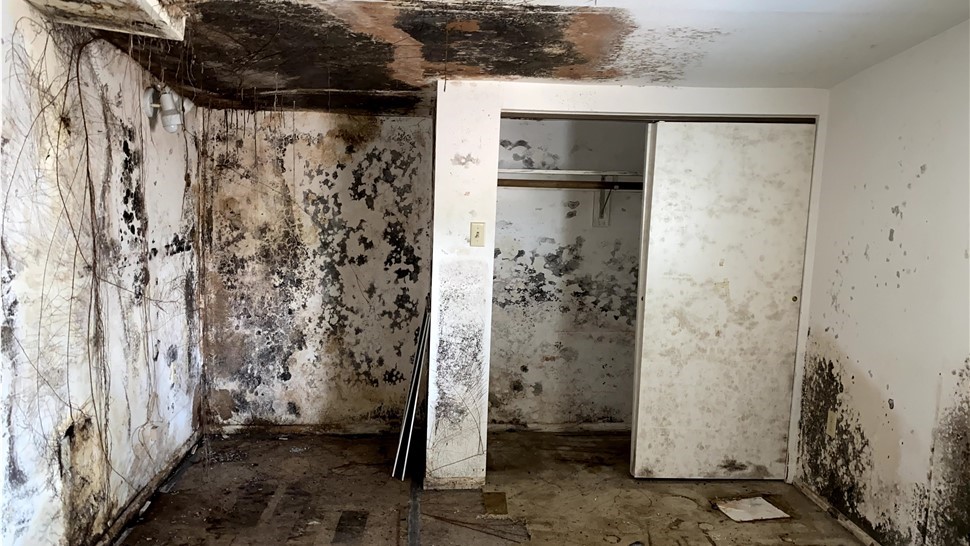
Mold FAQs in Melbourne: What Homeowners in Brevard County Should Know
Mold questions come up constantly for homeowners in Melbourne. Florida’s humidity, heavy rains, and year-round air conditioning create conditions where mold can appear even in well-maintained homes. Many homeowners aren’t sure what’s normal, what’s a problem, or when professional help is actually needed.
This FAQ-style guide addresses the most common mold questions we hear from Melbourne homeowners. The goal is clarity—not fear—so you can make informed decisions about your home.
Is mold common in Melbourne homes?
Yes. Mold is very common in Melbourne and throughout Brevard County.
High humidity, frequent storms, and constant AC use create ideal conditions for mold growth. Even homes without obvious leaks can develop mold due to condensation, poor ventilation, or hidden moisture.
Mold presence does not automatically mean a home is poorly maintained. It often reflects Florida’s climate more than homeowner behavior.
Does mold mean there is a serious problem?
Not always.
Small amounts of surface mold caused by temporary moisture—such as a bathroom with poor ventilation—can often be addressed once humidity and airflow improve.
Mold becomes a bigger concern when:
- It keeps returning after cleaning
- It spreads to multiple areas
- It appears in hidden spaces
- Musty odors persist
- Moisture sources are unclear
The seriousness depends on moisture conditions and extent, not just appearance.
Why does mold keep coming back after cleaning?
Because cleaning does not remove moisture.
In Melbourne homes, mold almost always returns if:
- Indoor humidity stays high
- Ventilation is inadequate
- AC systems aren’t removing moisture properly
- Leaks or condensation continue
Household cleaners and bleach may improve appearance, but they do not address moisture trapped inside drywall, wood, or insulation. Mold roots remain active beneath the surface.
Recurring mold is a moisture problem, not a cleaning problem.
Is bleach effective for mold?
Bleach is often misunderstood.
It may lighten stains on non-porous surfaces, but it does not penetrate porous materials like drywall, wood, grout, or insulation. Mold can continue growing beneath the surface even after bleaching.
Bleach also contains a lot of water, which can worsen mold regrowth in Florida’s humid climate.
Bleach is not a long-term mold solution.
Where does mold usually hide?
Some of the most significant mold growth is hidden.
In Melbourne homes, common hidden locations include:
- Behind drywall
- Above ceilings
- Inside HVAC systems
- Under flooring on slab foundations
- Inside cabinets near plumbing
Homeowners often notice odors or repeated surface mold before hidden growth is discovered.
Why does my house smell musty but I don’t see mold?
Musty odors usually indicate moisture and microbial growth somewhere in the home—even if mold isn’t visible.
In Melbourne, musty smells often come from:
- HVAC systems
- Attics
- Wall cavities
- Crawl spaces
- Damp insulation
Odors are an early warning sign that something isn’t drying properly.
Can mold grow without a leak?
Yes. Very often.
Many mold issues in Melbourne homes are caused by:
- High indoor humidity
- Condensation on walls or ceilings
- AC drain line issues
- Poor ventilation
Mold does not require flooding or obvious leaks. Slow, repeated moisture exposure is enough.
Is mold always visible?
No.
Mold often grows out of sight for long periods. Visible mold is frequently just a symptom of a larger hidden issue.
This is why homeowners are sometimes surprised by inspection findings even when surfaces look clean.
Should I test for mold?
Mold testing can be useful, but it’s not always necessary.
Testing is most helpful when:
- Mold is suspected but not visible
- Documentation is needed for real estate or disputes
- Odors persist without a clear source
Testing alone does not identify moisture sources or solve mold problems. Inspection and moisture detection are usually more important than test results.
Can HVAC systems cause mold problems?
Yes. HVAC systems are one of the most common mold contributors in Melbourne homes.
Condensation inside air handlers, clogged drain lines, damaged duct insulation, or high humidity can all support mold growth. Because HVAC systems circulate air, mold here can affect multiple rooms at once.
Odors that worsen when the AC runs often point to HVAC involvement.
Is mold caused by poor housekeeping?
No.
Mold growth is driven by moisture, not cleanliness. Homes can be spotless and still develop mold if humidity, condensation, or leaks are present.
Cleaning helps with appearance, but moisture control is what prevents mold.
When is professional mold remediation necessary?
Professional remediation is usually needed when:
- Mold affects porous materials
- Mold is hidden behind walls or ceilings
- Mold keeps returning after cleaning
- Odors persist
- Moisture issues are ongoing
Minor surface mildew may not require remediation, but recurring or widespread mold usually does.
What does a professional mold inspection involve?
A proper inspection focuses on moisture.
Typical inspections include:
- Visual evaluation of mold-prone areas
- Moisture meter readings in walls, ceilings, and floors
- HVAC and ventilation assessment
- Attic inspection
Air or surface samples may be collected when appropriate, but moisture findings guide decisions.
Local professionals such as Brevard Mold Inspections & Removal focus on identifying why mold formed and how to stop it from returning—not just confirming that mold exists.
Will mold go away on its own?
No.
Mold does not resolve without correcting moisture. Even if visible mold dries out temporarily, it often returns once conditions become favorable again.
Ignoring mold rarely leads to improvement.
Can mold affect home value?
Mold itself is less important than unresolved moisture issues.
Homes with documented moisture problems, recurring mold, or hidden damage can raise concerns during real estate transactions. Clear inspection findings and proper remediation help reduce uncertainty.
How can I prevent mold in my Melbourne home?
Prevention focuses on moisture control.
Helpful steps include:
- Using bathroom exhaust fans consistently
- Maintaining HVAC systems and drain lines
- Monitoring indoor humidity
- Repairing leaks promptly
- Checking attics and ceilings after storms
Small moisture issues addressed early prevent bigger mold problems later.
Why does local experience matter?
Mold behaves differently depending on climate.
Melbourne homes face Florida humidity, slab foundations, long cooling seasons, and frequent storms. Local experience helps professionals recognize where moisture hides and which solutions actually work here.
Generic advice often falls short in Brevard County.
A Practical Takeaway for Melbourne Homeowners
Mold questions are common in Melbourne—and most have practical answers.
Mold is usually a sign of moisture, not neglect. Understanding where moisture comes from, why mold keeps returning, and when professional help is appropriate makes mold issues far less overwhelming.
If you’re unsure whether mold in your home is minor or something more involved, a professional inspection can provide clarity. With accurate evaluation and local expertise, Melbourne homeowners can address mold confidently and prevent it from becoming an ongoing concern.