
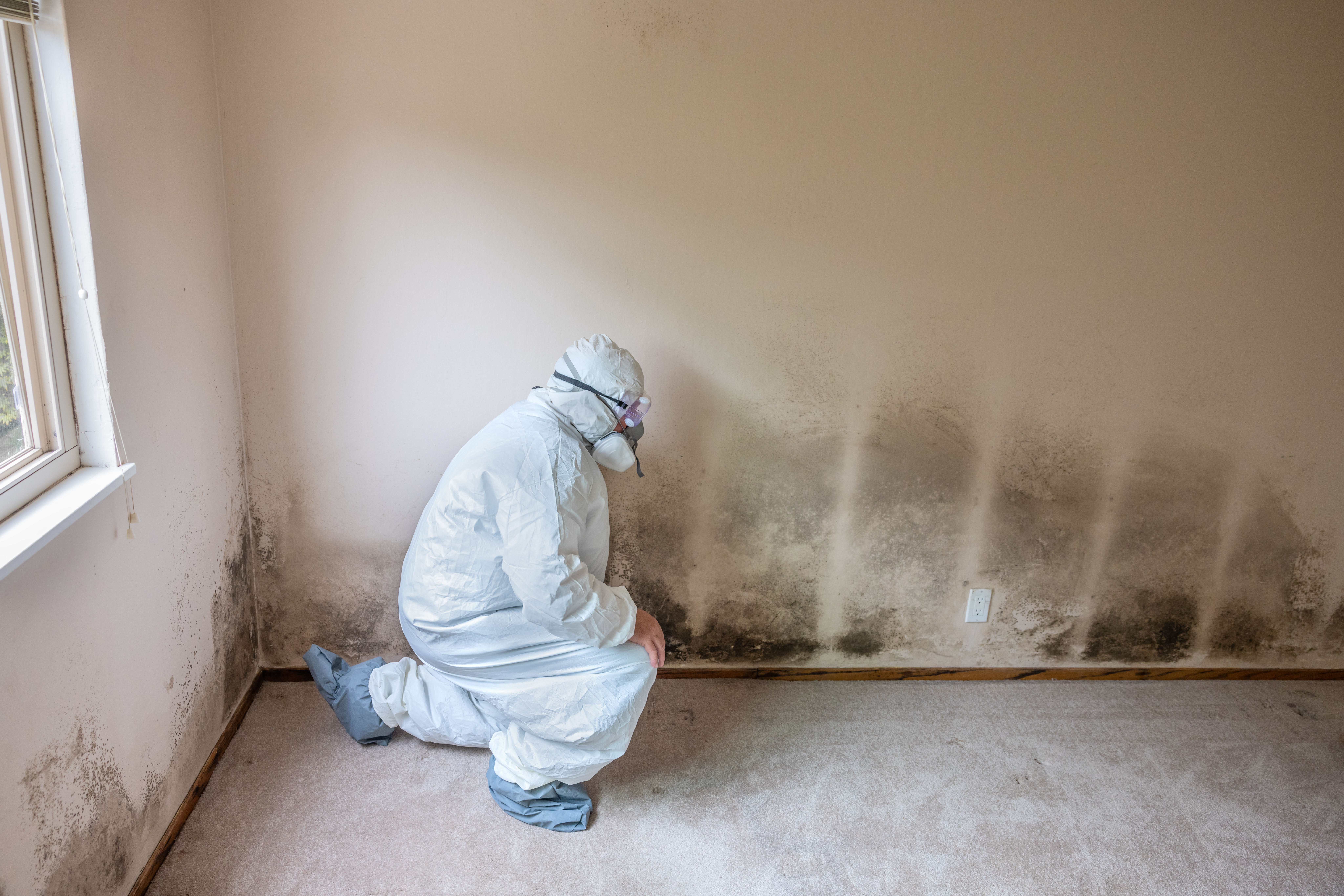
Mold Removal in Rockledge: What Homeowners in Brevard County Should Know
In Rockledge and across Brevard County, mold removal has become an increasingly common concern for homeowners. Between year-round humidity, heavy rainstorms, hurricanes, and everyday plumbing or AC issues, homes in our area are constantly exposed to moisture conditions that allow mold to grow.
Many homeowners first notice a musty smell, stains appearing on walls or ceilings, or allergy-like irritation that seems worse indoors. Others discover mold after a roof leak, hurricane damage, or a plumbing problem. No matter how it begins, mold removal quickly becomes a priority because homeowners want their homes clean, safe, and comfortable again.
Understanding how mold removal works — and why professional solutions matter — helps homeowners make informed decisions when problems appear.
Understanding the Mold Problem in Florida Homes
Mold is a natural part of Florida’s environment. Outdoors, mold plays an important role in breaking down organic materials. The problem begins when mold grows inside homes where moisture becomes trapped.
In Rockledge homes, mold commonly develops after:
• Roof leaks during storms
• Plumbing or appliance leaks
• AC condensation problems
• Flooding or hurricane intrusion
• Poor ventilation in bathrooms or kitchens
• High indoor humidity
Because mold only needs moisture and organic material like drywall or wood to grow, even small leaks can lead to widespread contamination over time.
Homes in nearby communities like Cocoa, Merritt Island, Titusville, Melbourne, Palm Bay, Viera, Satellite Beach, and Cape Canaveral experience similar challenges due to the same climate conditions.
Why Mold Removal Is So Common in Brevard County
Several regional factors make mold removal a regular need in local homes.
High Humidity Year-Round
Brevard County stays humid even outside of summer. Indoor moisture levels can rise quickly if air conditioning or ventilation is inadequate.
Hurricanes and Heavy Rain
Storm systems frequently impact Rockledge and surrounding areas. Wind-driven rain often enters homes through roof damage or poorly sealed openings.
Slab Foundations
Most Florida homes sit on concrete slabs, which trap water inside homes when flooding or leaks occur.
AC System Dependence
Air conditioners control both temperature and humidity. If condensate lines clog or systems leak, moisture builds quickly.
Coastal Influence
Communities closer to the coast, including Cocoa Beach and Satellite Beach, experience higher moisture exposure from ocean air.
Even newer homes are not immune. Construction quality varies, and poor ventilation or drainage can still lead to moisture buildup.
Common Signs Mold Removal May Be Needed
Many homeowners don’t see mold immediately. Instead, they notice warning signs first.
Common signs include:
• Persistent musty or damp smells
• Dark stains on walls or ceilings
• Peeling paint or bubbling drywall
• Warped flooring or baseboards
• Excess humidity indoors
• Mold spots near vents or windows
• Damp closets or storage areas
Some families report that symptoms or odors improve when they leave the home, suggesting indoor air quality concerns.
By the time mold becomes visible, it has often been growing behind surfaces for weeks or months.
Hidden Mold Growth Is Often Worse Than Visible Mold
One challenge in mold removal is that visible growth is usually only part of the problem.
Hidden mold commonly develops in:
Wall Cavities
Roof leaks or plumbing issues soak insulation and drywall behind walls.
Under Flooring
Flooding or appliance leaks allow moisture to stay trapped beneath flooring materials.
Attics
Rockledge homes frequently experience attic mold due to roof damage or ventilation issues.
HVAC Systems
Air handlers and ductwork can harbor mold when condensation accumulates.
Bathrooms and Kitchens
Leaks under sinks or behind cabinets often remain unnoticed until mold spreads.
Professional inspections often reveal contamination far beyond what homeowners can see.
Why DIY Mold Removal Often Fails
When homeowners discover mold, many try to handle removal themselves. Unfortunately, this often makes the situation worse.
Common DIY mistakes include:
• Using bleach on porous materials
• Painting over mold stains
• Cleaning surfaces without fixing moisture sources
• Running fans that spread spores
• Removing materials without containment
Bleach only affects surface mold and does not kill mold roots embedded in drywall or wood.
Improper cleanup can spread mold spores into other areas of the home, increasing contamination.
Without addressing moisture problems, mold usually returns.
How Professional Mold Removal Works
Professional mold removal focuses on eliminating contamination while correcting moisture problems to prevent recurrence.
A proper remediation process typically includes:
Inspection and Moisture Detection
Professionals locate both visible mold and hidden moisture sources.
Containment Setup
Affected areas are sealed off to prevent spores from spreading during cleanup.
Air Filtration
HEPA filtration systems capture airborne spores while work is performed.
Removal of Contaminated Materials
Damaged drywall, insulation, or flooring may be removed when necessary.
Cleaning Structural Surfaces
Remaining structural materials are cleaned and treated safely.
Moisture Correction
Leaks or humidity sources are corrected to prevent future growth.
Post-Remediation Cleaning
Final cleaning ensures dust and spores are properly removed.
Companies like Brevard Mold Inspections & Removal perform remediation with careful containment to protect unaffected parts of the home.
How Homeowners Can Prevent Mold Problems
While mold cannot be eliminated from Florida entirely, homeowners can reduce risk through proactive maintenance.
Helpful prevention steps include:
• Maintain AC systems regularly
• Clean condensate drain lines
• Repair plumbing leaks immediately
• Inspect roofs after storms
• Use dehumidifiers during humid months
• Ensure proper attic ventilation
• Run bathroom exhaust fans during showers
• Inspect under sinks and appliances regularly
• Schedule inspections after hurricanes or flooding
Small issues caught early often prevent major repairs later.
Why Local Mold Experience Matters
Mold removal in Brevard County requires understanding how local homes are built and how moisture behaves in Florida’s climate.
Rockledge homes may differ from beachside properties or inland communities, but common patterns include:
• Slab foundation moisture retention
• Hurricane-related intrusion
• Attic heat and humidity buildup
• AC condensation issues
• Coastal moisture exposure
Local professionals understand where mold tends to develop and how to address it effectively.
Brevard Mold Inspections & Removal works throughout Rockledge and surrounding communities, helping homeowners safely address mold problems using methods suited to Florida conditions.
A Calm Next Step for Rockledge Homeowners
If you suspect mold growth in your home, or if your property has recently experienced leaks, flooding, or persistent humidity issues, professional evaluation can help clarify what is happening.
In many cases, problems are manageable when caught early. A professional inspection and proper remediation plan can restore indoor conditions and help prevent future issues.
Taking action early protects both your home and the comfort of everyone living in it.
Getting clear information is often the best first step toward solving mold concerns calmly and effectively.