
Hidden Mold Problems in Cocoa Beach: What Homeowners in Brevard County Should Know
Living in Cocoa Beach has plenty of advantages — ocean views, steady breezes, and a relaxed coastal lifestyle. But that same coastal environment also creates conditions where mold can thrive, often out of sight. Many homeowners in Cocoa Beach and across Brevard County don’t realize there’s a mold issue until it has already spread behind walls, under floors, or through the HVAC system.
Hidden mold problems are especially common in coastal Florida homes. Salt air, high humidity, wind-driven rain, and year-round air conditioning all contribute to moisture buildup in places homeowners rarely see. Understanding how hidden mold develops, where it hides, and why professional inspection matters can help you protect your home before minor moisture turns into a major issue.
What Hidden Mold Really Means
Hidden mold doesn’t necessarily mean dangerous or extreme conditions. It simply refers to mold growth that isn’t immediately visible during everyday living. In many cases, mold grows behind finished surfaces like drywall, flooring, or cabinetry while the visible areas still look clean.
In Cocoa Beach homes, hidden mold often develops slowly. Moisture seeps into building materials and stays there because Florida’s humidity prevents proper drying. Over time, mold grows quietly, feeding on drywall paper, wood framing, insulation, or dust trapped in enclosed spaces.
Because it’s out of sight, homeowners may live with hidden mold for months without realizing it.
Why Hidden Mold Is So Common in Cocoa Beach Homes
Cocoa Beach’s coastal environment creates a unique set of challenges.
High humidity is constant, even on days without rain. Ocean air carries moisture inland, and indoor humidity can rise quickly if air conditioning systems aren’t working efficiently.
Wind-driven rain is another major factor. Storms don’t have to be hurricanes to cause problems. Strong coastal winds can force rain behind siding, around windows, and through roof components, allowing water to enter wall cavities without leaving obvious stains.
Air conditioning systems also contribute. AC units remove humidity, but they produce condensation. In many Cocoa Beach homes, air handlers are located in closets, garages, or attics. When drain lines clog or pans overflow, moisture can leak into surrounding materials and remain hidden.
Construction style plays a role as well. Many homes in Cocoa Beach and nearby areas are built on slab foundations. Moisture can move upward through concrete and become trapped beneath flooring, especially laminate or vinyl plank.
Subtle Signs Homeowners Often Overlook
Hidden mold usually doesn’t announce itself clearly at first.
A musty or stale odor is one of the earliest indicators. Homeowners often notice it after returning from a trip or when the air conditioning turns on.
Minor discoloration on baseboards or near vents may appear and disappear as humidity levels change, making it easy to dismiss.
Some homeowners notice rooms that never seem to feel dry or comfortable, even when the AC is running properly.
In more advanced cases, materials may begin to show damage. Flooring may feel slightly soft, paint may bubble, or drywall may warp — all signs that moisture has been present for some time.
Where Hidden Mold Is Commonly Found in Cocoa Beach Homes
Hidden mold tends to grow in predictable areas.
Behind walls is one of the most common locations. Plumbing leaks, roof seepage, or window intrusion can allow water to enter wall cavities and travel along framing.
Under flooring is another frequent problem, especially in slab homes. Moisture can remain trapped beneath flooring materials long after the surface appears dry.
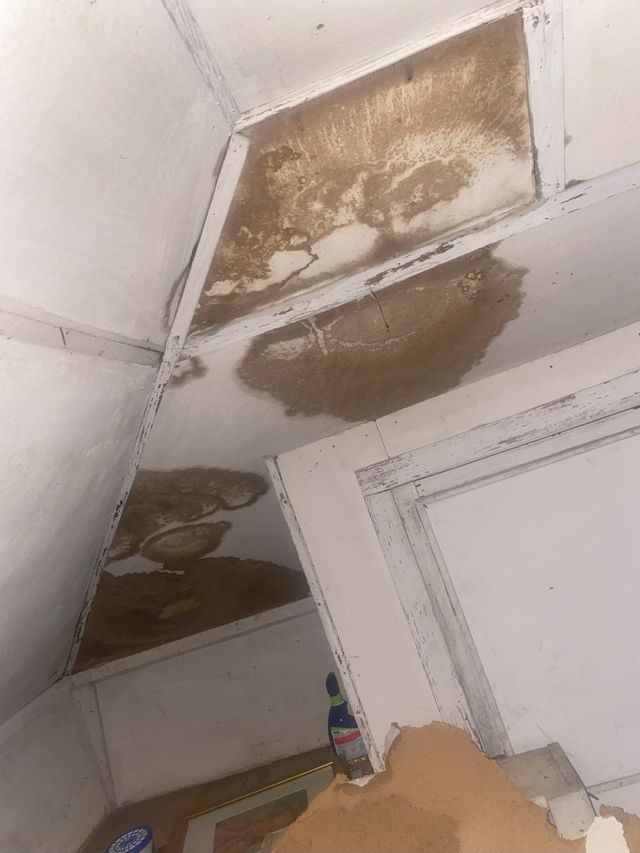
Attics are a major concern in coastal Florida. Salt air, roof leaks, and poor ventilation often lead to mold growth on roof decking and insulation, especially after storms.
HVAC systems are another overlooked source. Mold can develop inside air handlers, drain pans, ductwork, and around supply vents, spreading spores throughout the home whenever the system operates.
Why Hidden Mold Often Gets Worse Over Time
Hidden mold rarely resolves on its own in Brevard County’s climate.
Moisture that enters enclosed spaces often stays there due to high ambient humidity. Without proper drying and ventilation, materials remain damp long enough for mold to continue growing.
As mold spreads, it can affect larger sections of drywall, flooring, or insulation. What might have started as a small leak behind a wall can eventually involve multiple rooms.
The longer mold goes undetected, the more disruptive remediation can become. Early intervention usually means limited removal, while delayed action often requires more extensive repairs.
Why DIY Efforts Usually Miss Hidden Mold
Many homeowners attempt to address mold only when they see visible growth. This approach often misses the real issue.
Surface cleaning may improve appearance temporarily but does not address mold growing inside walls or beneath floors.
Using bleach or household cleaners on porous materials rarely eliminates mold at its source and does nothing to correct moisture problems.
Without proper containment, DIY cleanup can also spread spores into other areas of the home, increasing the scope of the problem.
Hidden mold requires investigation, not just cleaning.
What a Professional Mold Inspection Looks For
A professional mold inspection focuses on identifying conditions that allow mold to grow, not just visible spots.
The process begins with a thorough visual assessment of the property, including common problem areas like bathrooms, kitchens, attics, HVAC systems, and areas with past water damage.
Moisture detection tools are used to locate damp materials behind walls or under flooring, even when surfaces appear dry.
When appropriate, air or surface sampling may be performed to help confirm mold presence and guide next steps. Laboratory analysis provides objective information without guesswork.
Local professionals such as Brevard Mold Inspections & Removal understand how Cocoa Beach homes respond to coastal moisture and know where hidden problems are most likely to exist.
How Hidden Mold Is Properly Addressed
Proper mold remediation is not about aggressive demolition. It’s about control and prevention.
Containment is established first to prevent spores from spreading during cleanup.
The moisture source is identified and corrected. This may involve plumbing repairs, AC system adjustments, improved ventilation, or sealing exterior entry points.
Affected materials are then removed or treated as needed, depending on the extent of contamination.
Finally, the area is thoroughly dried and cleaned, with long-term moisture control in mind. Successful remediation focuses on preventing recurrence.
Preventing Hidden Mold in Cocoa Beach Homes
While coastal living always carries some risk, proactive steps can reduce the likelihood of hidden mold.
Maintain indoor humidity below 60 percent whenever possible.
Schedule regular AC maintenance and keep drain lines clear.
Inspect your home after heavy rain or storms, even if no damage is visible.
Pay attention to musty odors or recurring moisture near vents, windows, or floors.
Address small leaks and condensation issues promptly before moisture has time to spread.
Why Local Brevard County Experience Matters
Hidden mold behaves differently in coastal Florida than in drier regions. Cocoa Beach homes face constant exposure to moisture, salt air, and wind-driven rain.
Local professionals understand Brevard County construction styles, common moisture pathways, and seasonal risks. That experience allows for more accurate inspections and practical solutions tailored to this area.
A Calm, Practical Next Step for Cocoa Beach Homeowners
If something feels off in your home — persistent odors, unexplained moisture, or subtle material changes — it’s worth taking a closer look. Hidden mold doesn’t require panic, but it does require attention.
A professional inspection can provide clarity and help determine whether mold is present and what level of action is appropriate. Trusted local providers like Brevard Mold Inspections & Removal focus on accurate assessment and homeowner education, not pressure.
Addressing hidden mold early helps protect your home, your investment, and your peace of mind in Cocoa Beach’s unique coastal environment.