
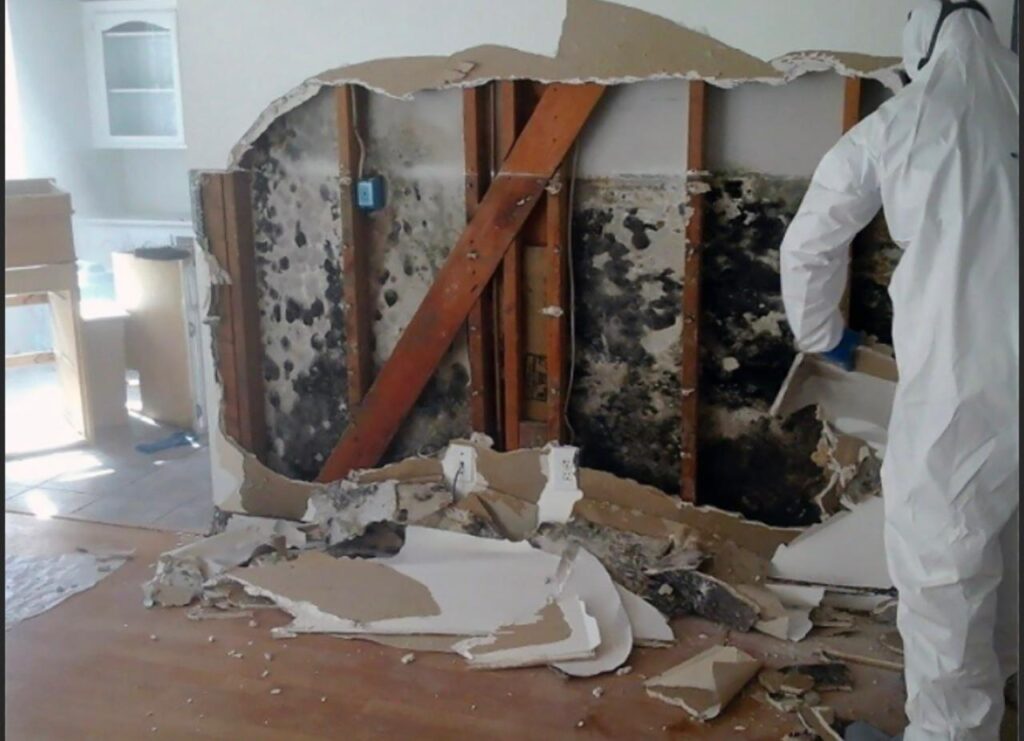
Mold and Insurance Claims in Cape Canaveral: What Homeowners in Brevard County Should Know
If you own a home in Cape Canaveral, you already understand how quickly weather can change here. One strong storm system moves through, heavy rain hits sideways, and suddenly you’re dealing with a roof leak, window intrusion, or interior water damage.
What many Brevard County homeowners don’t expect is what happens next — mold growth. And once mold enters the picture, insurance questions follow quickly.
In Cape Canaveral, Cocoa Beach, Satellite Beach, and throughout Brevard County, mold-related insurance claims can become confusing. Coverage depends on the cause of the water damage, how quickly it was addressed, and the specifics of the policy.
Understanding how mold and insurance work together — especially in Florida’s climate — can help homeowners make informed decisions without unnecessary stress.
How Mold Becomes an Insurance Issue
Mold itself is rarely the starting point of an insurance claim. Water damage is.
In Cape Canaveral homes, mold often develops after:
- Roof leaks during heavy storms
- Wind-driven rain intrusion
- Plumbing failures inside walls
- AC condensation line backups
- Water heater leaks
- Appliance supply line failures
Florida’s humidity speeds everything up. Mold can begin developing within 24–48 hours when moisture is trapped.
Insurance typically evaluates the cause of the water damage, not the mold alone. That distinction matters.
What Insurance Policies Usually Cover
Every homeowner policy is different, but in Brevard County, coverage often depends on whether the water damage was:
- Sudden and accidental (like a burst pipe)
- Storm-related and covered under wind coverage
- Gradual or maintenance-related
For example:
- A sudden pipe burst inside a wall in Rockledge may be covered.
- Long-term roof deterioration in Titusville may not be.
- Wind-driven rain from a hurricane in Cocoa Beach could be covered under windstorm provisions.
Many Florida policies include limited mold coverage caps. That means even if the water event is covered, mold remediation may be limited to a specific dollar amount.
This is why early detection and documentation are important.
Why Cape Canaveral Homes Face Higher Mold Risk
Cape Canaveral and nearby coastal communities experience unique moisture challenges.
Coastal humidity
Ocean air keeps humidity levels elevated nearly year-round.
Hurricane season
Wind-driven rain penetrates small gaps in roofing, siding, and window seals.
Salt exposure
Salt air accelerates material wear, increasing vulnerability over time.
Frequent AC use
Air handlers in garages or attics can create hidden condensation problems.
Because mold develops quickly in this climate, even a small covered water event can turn into a larger remediation issue if not addressed promptly.
Common Signs Mold Has Developed After Water Damage
After a storm or leak, homeowners may notice:
- Musty odors
- Dark staining on ceilings
- Warped flooring
- Soft drywall
- Bubbling paint
- Increased indoor humidity
In some homes in Viera or Palm Bay, mold growth has developed behind walls with no visible surface signs — only a lingering smell.
If something seems off after a water event, it’s worth investigating rather than waiting.
Why Delays Can Complicate Insurance Claims
Insurance companies typically expect homeowners to take reasonable steps to mitigate further damage.
Delays in addressing water intrusion can:
- Increase mold growth
- Expand the affected area
- Complicate documentation
- Raise questions about maintenance
For example, if a roof leak in Satellite Beach goes unrepaired for weeks, mold may spread beyond the original damage zone.
Prompt action doesn’t guarantee coverage, but it supports a clearer claim process.
How Professional Mold Inspection Supports Insurance Claims
When mold becomes part of a claim, documentation matters.
A professional inspection typically includes:
Visual assessment
Identifying affected areas and moisture sources.
Moisture detection
Measuring moisture levels inside walls, ceilings, and flooring.
Thermal imaging
Detecting hidden moisture patterns.
Written findings
Documenting the condition of materials and probable source.
Mold testing (if appropriate)
Air or surface sampling may be performed to confirm mold presence and concentration levels.
In real estate transactions or complex claims, lab-confirmed data can provide clarity.
Brevard Mold Inspections & Removal often works with homeowners in Cape Canaveral and Cocoa Beach to provide structured inspection reports that help homeowners understand the scope of damage before moving forward.
The Difference Between Mold Inspection and Mold Remediation
It’s important to separate inspection from cleanup.
Mold inspection identifies:
- Whether mold is present
- Where moisture exists
- The likely source
- The scope of the issue
Mold remediation addresses:
- Containment
- Safe removal
- Drying
- Prevention
Insurance adjusters often evaluate the cause first, then determine whether remediation falls under policy limits.
Understanding this sequence prevents confusion during the claims process.
What Proper Mold Remediation Involves
If mold remediation is required after a covered water event, the process typically includes:
- Correcting the moisture source
- Isolating affected areas
- Removing damaged drywall or materials
- Cleaning structural framing
- HEPA filtration if necessary
- Confirming dryness before rebuilding
Containment is especially important in occupied homes in Rockledge or Melbourne. It prevents cross-contamination to unaffected areas.
The focus is not just cosmetic cleanup — it’s moisture correction.
Steps Homeowners Should Take After Water Damage
If you experience water intrusion in Cape Canaveral:
- Address the source immediately (temporary roof tarp, plumbing repair, etc.).
- Document visible damage with photos.
- Contact your insurance provider to report the incident.
- Schedule a professional moisture inspection promptly.
- Avoid disturbing suspected mold areas unnecessarily.
Acting quickly reduces both structural damage and potential claim complications.
Preventing Future Mold-Related Claims
Living in Brevard County means proactive maintenance is essential.
Practical steps include:
- Annual roof inspections
- AC maintenance and drain line cleaning
- Inspecting attic ventilation
- Sealing windows and exterior penetrations
- Monitoring indoor humidity levels (45–55%)
- Checking ceilings and walls after storms
In coastal areas like Cocoa Beach and Cape Canaveral, exterior envelope maintenance is particularly important.
Preventive care often reduces the likelihood of insurance disputes later.
Why Local Experience Matters in Mold and Claims
Mold behavior in Florida differs significantly from drier climates.
Brevard County homes face:
- Constant humidity
- Slab foundation moisture movement
- Hurricane-driven rain
- High attic temperatures
- Coastal exposure
A local inspection professional understands how water typically enters Florida homes and how quickly mold can develop here.
Brevard Mold Inspections & Removal evaluates mold situations with those local conditions in mind, helping homeowners understand the practical next steps without unnecessary alarm.
A Calm, Informed Approach
Mold and insurance claims don’t have to feel overwhelming.
In Cape Canaveral and throughout Brevard County, the key is:
- Identify the source of water
- Document the situation
- Get professional evaluation
- Act promptly
Sometimes the issue is limited and manageable. Other times, early intervention prevents larger structural concerns.
If you suspect mold after a storm or water event, a structured inspection provides clarity. Clear information helps you communicate effectively with your insurance provider and make confident decisions about your home.
Florida’s climate isn’t changing. But with awareness, documentation, and local expertise, mold-related insurance situations can be handled calmly and efficiently.