
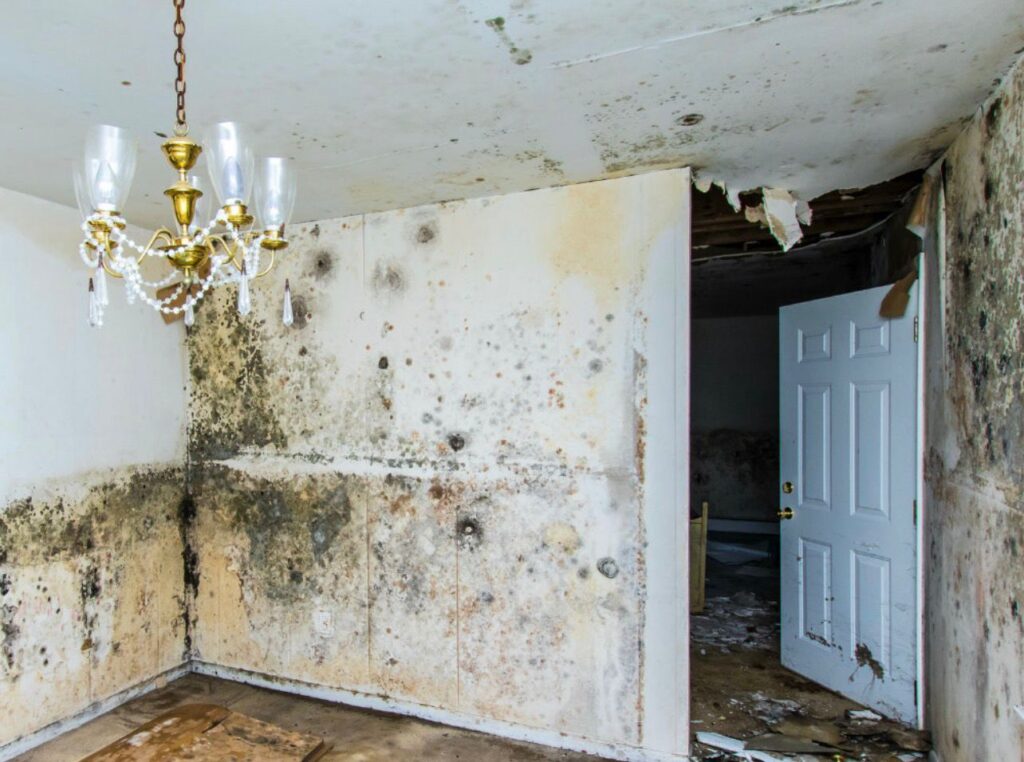
Mold After Hurricanes in Cocoa:What Homeowners in Brevard County Should KnowWhen a hurricane hits Cocoa, Florida, the immediate damage is obvious—wind, flooding, roof leaks, and power outages. What often follows quietly, though, is mold growth. In Brevard County’s hot, humid climate, mold can take hold within days after a hurricane, even if floodwater recedes and surfaces look dry.If your home has experienced a hurricane—recently or in past seasons—here’s what you need to know about post-storm mold risks, warning signs, and the right steps to take.⸻🧠 Why Hurricanes Lead to Mold So FastHurricanes introduce large amounts of moisture into homes in a very short time. Mold needs only: • Moisture • Organic materials (drywall, wood, insulation) • TimeAfter a storm, Florida homes often stay warm and humid with limited ventilation—perfect mold conditions. Growth can begin within 24–48 hours after water intrusion.⸻📍 Common Hurricane-Related Mold Causes in Cocoa HomesAfter hurricanes, mold commonly develops due to: • 🌊 Flooding or storm surge • 🌧️ Wind-driven rain entering through roofs or windows • 🌀 Damaged siding or flashing • ❄️ AC shutdowns causing humidity spikes • 💧 Saturated insulation, drywall, or flooring • ⚡ Power outages delaying drying effortsEven homes that didn’t flood can develop mold from roof leaks or prolonged humidity.⸻🚩 Signs Mold May Be Growing After a HurricaneMold isn’t always visible right away. Watch for these signs in the days and weeks after a storm:👀 Visual Clues • Dark spots on walls or ceilings • Bubbling paint or warped drywall • Staining near vents, baseboards, or windows👃 Odors • Musty or earthy smells • Odors stronger after rain or when AC runs🤧 Health Symptoms • Worsening allergies indoors • Coughing, sneezing, or sinus irritation • Headaches or fatigue that improve when leaving homeIf symptoms appear after a hurricane, mold exposure should be considered.⸻🧪 Why Mold Testing Is Critical After HurricanesPost-hurricane mold is often hidden. Professional mold testing helps: • Detect mold you can’t see • Measure airborne spore levels • Identify mold types present • Determine how far contamination has spreadTesting is especially important if water entered walls, attics, crawl spaces, or HVAC systems.⸻🛠️ Mold Removal vs. Mold Remediation After HurricanesMold Removal • Targets visible mold • Surface-level only • Does not address hidden moistureMold Remediation • Addresses mold and the moisture source • Includes containment, removal, drying, and prevention • Is the correct approach after hurricanesAfter storm damage, remediation—not cleaning—is usually required.⸻🔧 What Professional Post-Hurricane Mold Remediation InvolvesA proper remediation process typically includes: 1. Moisture assessment (walls, floors, attic, HVAC) 2. Containment to prevent spore spread 3. Removal of contaminated materials (drywall, insulation, flooring if needed) 4. HEPA vacuuming and detailed cleaning 5. Industrial drying and dehumidification 6. Post-remediation verificationSkipping steps often leads to recurring mold.⸻🚫 Why DIY Cleanup After Hurricanes Is RiskyDIY cleanup after storms can: • Spread mold spores throughout the home • Miss moisture trapped behind walls or under floors • Expose occupants to airborne mold • Complicate insurance claimsBleach and household cleaners do not kill mold roots in porous materials and can provide a false sense of resolution.⸻💰 Mold, Hurricanes, and Insurance in CocoaInsurance coverage often depends on: • Whether water intrusion was sudden and storm-related • How quickly damage was reported • Proper documentation and mitigationMold caused by covered hurricane damage may be partially covered, but mold from delayed drying or long-term moisture often is not. Documentation and quick action matter.⸻🏡 How to Reduce Mold Risk After a Hurricane⏱️ Act FastDry wet areas within 24–48 hours using fans and dehumidifiers.🌬️ Control HumidityKeep indoor humidity between 30–50% as soon as power is restored.💧 Remove Wet MaterialsDiscard saturated drywall, insulation, and carpets that can’t be dried quickly.🧰 Inspect Hidden AreasCheck attics, crawl spaces, wall cavities, and HVAC systems after storms.🧪 Consider Post-Storm Mold TestingTesting confirms whether drying was successful—or if hidden mold remains.⸻🧩 Final ThoughtsIn Cocoa, hurricanes and mold often go hand in hand. Even if your home looks fine after a storm, moisture may still be trapped where you can’t see it—quietly fueling mold growth.The best protection is early inspection, fast drying, professional remediation when needed, and long-term moisture control. Waiting weeks or months after a hurricane often turns a manageable issue into a major repair.If you want a post-hurricane mold checklist, inspection timeline, or insurance documentation guide for Cocoa homeowners, just let me know—happy to help.