
Hidden Mold Problems in Cocoa Beach: What Homeowners in Brevard County Should Know
Living in Cocoa Beach has its advantages. Ocean breezes, coastal views, and a relaxed lifestyle make it one of the most desirable places in Brevard County. But that same coastal environment also creates the perfect conditions for hidden mold problems.
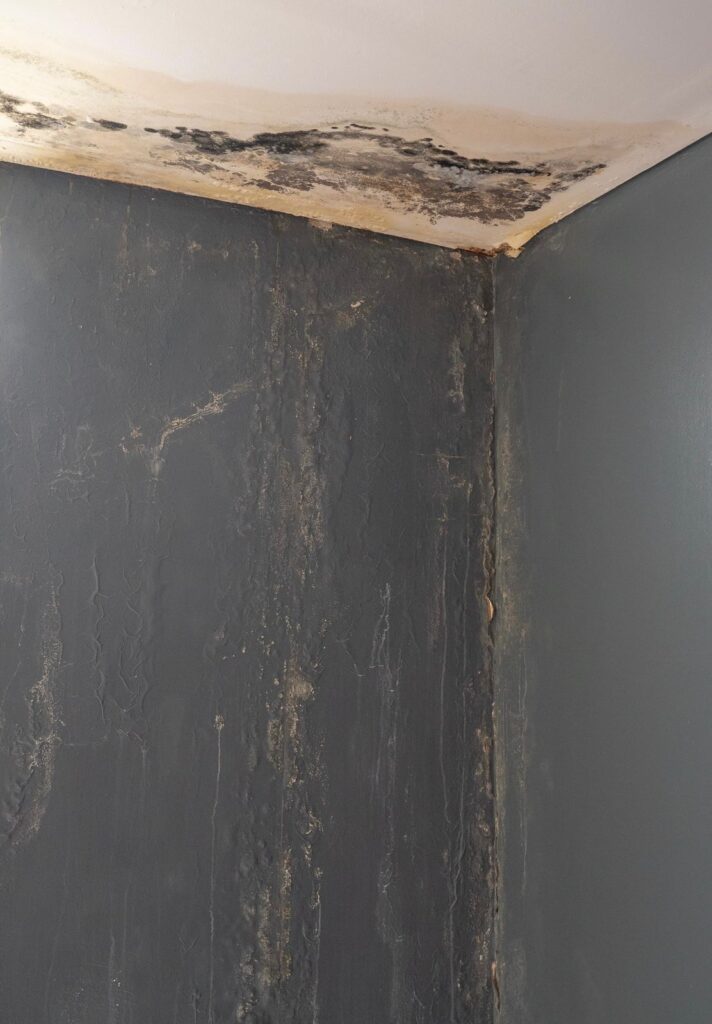
Many homeowners in Cocoa Beach, Satellite Beach, Cape Canaveral, and Merritt Island are surprised to learn that mold isn’t always obvious. It doesn’t always grow in large black patches on a bathroom ceiling. More often, it develops quietly — behind walls, under flooring, inside attics, or around HVAC systems.
If you own a home in Brevard County, understanding how hidden mold forms — and how to address it properly — can protect both your property and your peace of mind.
What “Hidden Mold” Really Means
Hidden mold refers to growth that occurs out of sight. You might not see it, but moisture allows it to develop behind surfaces.
In Cocoa Beach homes, hidden mold commonly forms:
- Behind drywall after roof leaks
- Under laminate or hardwood flooring
- Around window frames exposed to wind-driven rain
- Inside attics with poor ventilation
- Inside HVAC ductwork or air handlers
- Behind bathroom tile walls
Because Florida’s climate is warm and humid most of the year, mold doesn’t need much encouragement. When moisture lingers for even a short period, growth can begin.
Why Cocoa Beach Homes Are Especially Vulnerable
Cocoa Beach homes face unique environmental challenges.
Coastal humidity
Ocean air carries moisture inland daily. Even on sunny days, humidity levels remain high.
Wind-driven rain
Storm systems — especially during hurricane season — push rain sideways. Water can infiltrate small cracks around windows, doors, and roof penetrations.
Salt air exposure
Salt can accelerate deterioration of building materials and seals, allowing moisture to enter more easily over time.
Frequent AC use
In Palm Bay, Melbourne, and Cocoa Beach alike, air conditioning runs almost year-round. Improper drainage or condensation buildup can introduce hidden moisture inside walls and closets.
Slab foundations
Many Brevard County homes are built on slabs. Moisture can migrate upward, especially after extended rainfall.
Hidden mold isn’t necessarily the result of neglect. Often, it’s simply Florida’s climate doing what Florida’s climate does.
Common Signs of Hidden Mold
Homeowners often sense something is wrong before they see it.
Here are signs we frequently hear about in Cocoa Beach and Rockledge homes:
- Persistent musty smell
- Warped or slightly buckled flooring
- Bubbling or peeling paint
- Small ceiling stains
- Increased indoor humidity
- Recurring allergy-like irritation indoors
Sometimes, there’s no visible mold at all — just a subtle odor near an exterior wall after a heavy storm.
If something smells “earthy” or damp and doesn’t resolve quickly, it’s worth investigating.
Where Mold Often Hides in Brevard Homes
Mold tends to grow where moisture meets organic material. In Florida homes, that can mean:
Behind drywall
Small plumbing leaks inside walls can go undetected for months.
Under flooring
After even minor water intrusion, moisture can become trapped beneath laminate or hardwood.
Inside attics
Attics in Titusville and Viera often reach extreme temperatures. Poor ventilation allows condensation to form on roof sheathing.
Around windows and doors
Coastal wind-driven rain can seep into framing cavities.
HVAC systems
Condensation from air handlers or clogged drain lines can create hidden moisture zones.
In some cases, homeowners only discover the problem during a renovation or real estate transaction.
Why Ignoring It Makes Things Worse
It’s tempting to dismiss minor signs — especially if there’s no visible mold. But ignoring hidden moisture allows mold to continue growing behind the scenes.
Common mistakes include:
- Painting over water stains
- Cleaning visible areas without investigating moisture
- Assuming the problem “dried on its own”
- Running fans without addressing the source
Bleach is often used incorrectly. While it may lighten visible surface mold, it doesn’t address moisture inside materials like drywall or wood framing.
Over time, hidden mold can:
- Damage structural materials
- Spread to adjacent areas
- Complicate future repairs
- Lower indoor air quality
Early detection is always simpler and less invasive.
How Professional Mold Inspection Works
When homeowners in Cocoa Beach suspect hidden mold, a structured inspection provides clarity.
At Brevard Mold Inspections & Removal, inspections typically include:
Visual Assessment
A detailed walkthrough of interior and exterior areas, focusing on known moisture-prone zones.
Moisture Detection
Professional moisture meters measure levels inside walls, ceilings, and flooring without unnecessary damage.
Thermal Imaging
Infrared cameras help identify cooler areas that may indicate trapped moisture.
Targeted Investigation
If elevated moisture is found, the source is traced — whether it’s a roof issue, plumbing leak, or AC condensation.
Mold Testing (When Appropriate)
Air or surface samples may be collected and sent to a lab for analysis. This helps identify mold types and concentration levels when needed, particularly in real estate transactions.
Testing is not always required. Sometimes moisture detection alone provides enough clarity.
What Proper Mold Remediation Looks Like
If hidden mold is confirmed, proper remediation focuses on both removal and prevention.
A professional approach includes:
- Correcting the moisture source
- Containing affected areas to prevent spore spread
- Removing damaged materials when necessary
- Cleaning structural components safely
- Thorough drying
- Post-remediation moisture verification
Containment is especially important in occupied homes in Satellite Beach or Merritt Island. It prevents disturbance of unaffected areas.
The goal isn’t just to remove visible mold. It’s to create stable, dry conditions so it doesn’t return.
Preventing Hidden Mold in Cocoa Beach Homes
Because Brevard County’s climate isn’t changing anytime soon, prevention is about management.
Practical steps include:
- Schedule annual roof inspections
- Service your AC system regularly
- Keep condensate drain lines clear
- Monitor indoor humidity (aim for 45–55%)
- Inspect ceilings and walls after storms
- Maintain proper attic ventilation
- Seal windows and doors properly
After major weather events, it’s wise to check for subtle signs of intrusion — especially along exterior walls.
Older vs. Newer Homes in Brevard County
Both older and newer homes can experience hidden mold.
Older homes in Titusville or Cocoa may have aging roofing materials or plumbing systems.
Newer homes in Viera or Palm Bay may experience issues related to tight building envelopes and improper ventilation.
No home is immune. What matters is how quickly moisture is identified and addressed.
Why Local Experience Matters
Mold issues in Arizona or Colorado look very different from those in Cocoa Beach.
Brevard County homes face:
- Constant humidity
- Hurricane-driven rain
- Coastal salt exposure
- Year-round AC usage
- Slab foundation moisture movement
A local inspection company understands these patterns. They know where to look first and how water typically travels in Florida construction.
Brevard Mold Inspections & Removal approaches inspections with that local knowledge in mind. That familiarity helps avoid guesswork and unnecessary disruption.
A Calm, Practical Next Step
Hidden mold problems don’t require panic. They require information.
If you live in Cocoa Beach, Melbourne, Rockledge, or anywhere in Brevard County and suspect hidden moisture or mold, a professional inspection can provide clarity.
An evaluation can:
- Confirm whether moisture is present
- Identify the source
- Determine whether mold growth exists
- Provide a clear plan forward
Sometimes the result is simple reassurance. Other times, early action prevents larger structural repairs.
Either way, understanding what’s happening behind your walls gives you control.
Brevard Mold Inspections & Removal offers inspections and testing tailored specifically to Florida homes. With the right information and a steady approach, hidden mold problems can be managed effectively — even in a coastal climate like Cocoa Beach.