
Mold in Crawl Spaces in Melbourne: What Homeowners in Brevard County Should Know
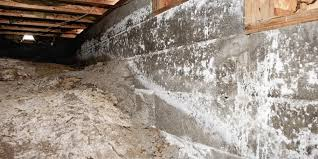
Many Melbourne homeowners rarely think about what lies beneath their homes. Crawl spaces are out of sight, and for many families, out of mind. But in Brevard County’s humid climate, crawl spaces are one of the most common locations for hidden mold growth.
Because crawl spaces are difficult to access and rarely inspected, moisture problems can continue for long periods before anyone notices. By the time signs appear inside the home, mold may already be widespread below the floor.
Across Melbourne, Palm Bay, Rockledge, Cocoa, Merritt Island, Titusville, Viera, Satellite Beach, and Cape Canaveral, crawl space mold is a common discovery during professional inspections. Understanding why mold grows there — and how to prevent it — helps homeowners protect their homes from hidden moisture damage.
Why Crawl Spaces Are Prone to Mold Growth
Crawl spaces sit close to the ground, making them naturally vulnerable to moisture. In Florida’s coastal environment, soil moisture, humidity, and poor airflow combine to create ideal mold conditions.
Mold needs only three things to grow:
• Moisture
• Warm temperatures
• Organic materials such as wood framing or dust
Crawl spaces often contain all three.
Common reasons mold develops under homes include:
• Ground moisture rising into the crawl space
• Poor or blocked ventilation
• Plumbing leaks beneath the home
• Storm or flooding water intrusion
• High outdoor humidity entering vented spaces
• Air conditioning duct condensation
When moisture lingers under the home, mold begins growing on floor framing, insulation, and subfloor materials.
Why Crawl Space Mold Is Common in Brevard County
Homes throughout Brevard County share environmental challenges that increase crawl space moisture problems.
Year-Round Humidity
Humidity remains high across Melbourne and surrounding communities, keeping crawl spaces damp for much of the year.
Heavy Rainfall and Storms
Frequent storms and hurricanes can saturate soil around homes, allowing moisture to enter crawl spaces.
Coastal Moisture Influence
Proximity to the ocean and Indian River Lagoon keeps moisture levels elevated.
Older Crawl Space Designs
Some older homes rely on passive ventilation that does not always work well in humid climates.
AC System Condensation
Ductwork running through crawl spaces can sweat, adding moisture to already damp environments.
Even newer homes with crawl spaces may develop mold if moisture control is inadequate.
Signs Crawl Space Mold May Be Affecting Your Home
Because crawl spaces are rarely visited, homeowners usually notice indirect signs first.
Common warning signs include:
• Musty odors inside the home
• Floors feeling damp or humid
• Increased indoor humidity
• Warped flooring or baseboards
• Mold appearing along lower walls
• Allergy-like discomfort indoors
• Higher energy bills
Sometimes mold is discovered only during flooring replacement or renovation projects.
If odors or humidity problems persist, crawl space moisture may be present.
Hidden Moisture Sources in Crawl Spaces
Several hidden problems often allow moisture to remain beneath homes.
Ground Moisture
Bare soil releases moisture into crawl spaces continuously.
Plumbing Leaks
Small leaks beneath homes may continue unnoticed for long periods.
Poor Drainage Around the Home
Improper grading allows rainwater to collect near foundations.
Blocked Crawl Space Vents
Debris or landscaping may block airflow.
HVAC Duct Condensation
Poorly insulated ducts allow condensation to drip into crawl spaces.
Professional inspections often reveal multiple moisture sources contributing to mold growth.
Why Ignoring Crawl Space Mold Causes Bigger Problems
Because crawl space mold is hidden, homeowners sometimes delay addressing it. Unfortunately, mold continues spreading as long as moisture remains.
Ignoring crawl space moisture problems can lead to:
• Wood framing deterioration
• Insulation contamination
• Persistent indoor odors
• Increased humidity inside living spaces
• Flooring damage
• Higher repair costs later
Moisture under the home also makes air conditioning systems work harder.
Addressing crawl space moisture early prevents structural and indoor comfort issues.
Why DIY Crawl Space Solutions Often Fail
Some homeowners attempt quick fixes, but crawl space moisture problems are rarely solved with simple measures.
Common mistakes include:
• Installing fans without moisture control
• Cleaning visible mold without fixing moisture sources
• Ignoring drainage problems outside the home
• Using household cleaners without containment
• Failing to seal ground moisture
Surface cleaning alone does not prevent mold from returning if humidity remains high.
Improper cleanup can also disturb mold spores and spread contamination.
How Professional Crawl Space Inspection Helps
Professional inspections help determine whether crawl space mold or moisture is affecting the home.
A professional inspection may include:
Crawl Space Evaluation
Inspectors examine floor framing, insulation, and ventilation conditions.
Moisture Detection
Tools identify moisture accumulation under the home.
Drainage Assessment
Inspectors evaluate exterior water flow and grading.
Air or Surface Sampling (If Needed)
Testing may help determine whether mold levels indoors are elevated.
Companies like Brevard Mold Inspections & Removal frequently inspect Melbourne homes where persistent odors or humidity concerns exist.
How Mold Remediation Works in Crawl Spaces
If mold contamination is extensive, professional remediation may be required.
Remediation typically includes:
Containment Setup
Work areas are sealed to prevent spores from entering living areas.
Removal of Contaminated Materials
Affected insulation or materials may be removed.
Structural Cleaning
Wood framing and surfaces are cleaned safely.
Moisture Correction
Drainage or leak issues are corrected.
Crawl Space Encapsulation or Vapor Barriers
Moisture barriers may be installed to block ground moisture.
Final Cleaning
Remaining spores and debris are removed.
Proper remediation prevents mold from returning.
Practical Steps to Prevent Crawl Space Mold
Crawl space mold prevention focuses on moisture control.
Helpful prevention steps include:
• Ensure proper drainage around the home
• Install vapor barriers over crawl space soil
• Repair plumbing leaks quickly
• Insulate HVAC ductwork properly
• Keep crawl space vents unobstructed
• Inspect crawl spaces periodically
• Monitor indoor humidity levels
Regular maintenance helps keep crawl spaces dry.
Why Local Experience Matters
Moisture behaves differently in Florida homes than in drier climates. Local professionals understand how humidity and storms affect crawl spaces in Brevard County.
Homes across Melbourne, Palm Bay, Rockledge, Cocoa, Merritt Island, Titusville, Satellite Beach, and nearby communities commonly experience:
• Coastal humidity exposure
• Hurricane-related moisture intrusion
• Ground moisture accumulation
• HVAC condensation challenges
• Drainage problems after heavy rain
Local experience helps professionals identify moisture risks quickly.
Brevard Mold Inspections & Removal works throughout Brevard County helping homeowners identify crawl space moisture problems before major repairs become necessary.
A Calm Next Step for Melbourne Homeowners
If your home smells musty, feels humid, or shows unexplained flooring issues, a professional inspection can help determine whether crawl space moisture or mold is present.
Most crawl space mold problems remain manageable when discovered early. Proper moisture correction restores indoor comfort and helps prevent future damage.
Professional guidance helps homeowners understand what may be happening beneath their homes and what steps, if any, should follow.
Addressing moisture early helps protect both your home and long-term comfort in Brevard County’s humid climate.