
Mold Remediation in West Melbourne: What Homeowners in Brevard County Should Know
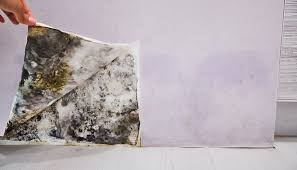
West Melbourne continues to grow as families move into newer neighborhoods while long-time residents maintain established homes across Brevard County. But regardless of a home’s age, one challenge remains constant in this part of Florida: moisture. And when moisture lingers, mold growth often follows.
Many homeowners first discover mold after a plumbing leak, storm intrusion, or air-conditioning issue. Others notice musty odors or stains on ceilings and walls without realizing hidden moisture has already been present for some time. When mold spreads beyond a small surface area, professional mold remediation may be necessary to safely restore the home.
Understanding how mold remediation works helps homeowners respond calmly and make informed decisions while protecting their home and indoor comfort.
Across West Melbourne and nearby communities like Palm Bay, Rockledge, Cocoa, Merritt Island, Titusville, Viera, Satellite Beach, and Cape Canaveral, mold remediation services are commonly needed after moisture problems go unnoticed or unresolved. Knowing what to expect makes the process less stressful.
What Mold Remediation Actually Means
Many homeowners confuse mold cleanup with mold remediation. Cleaning visible mold may improve appearance temporarily, but remediation focuses on solving the entire problem.
Mold remediation includes:
• Identifying where moisture entered the home
• Stopping the moisture source
• Safely removing contaminated materials
• Cleaning remaining surfaces
• Filtering mold spores from the air
• Preventing mold from returning
The goal is not only to remove mold but also to correct the conditions that allowed it to grow.
Without moisture correction, mold usually comes back.
Why Mold Problems Are Common in West Melbourne Homes
Homes across Brevard County face climate conditions that naturally increase mold risks.
High Humidity Levels
Humidity remains elevated for much of the year, slowing the drying process after leaks or storms.
Heavy Rain and Storm Systems
Storms regularly move through central Brevard County, sometimes allowing wind-driven rain to enter homes.
Hurricanes and Tropical Weather
Even homes without flooding may experience roof or wall moisture intrusion.
Dependence on Air Conditioning
AC systems remove humidity, but clogged condensate lines or maintenance issues often create hidden leaks.
Slab Foundation Construction
Most homes in West Melbourne sit on slab foundations, trapping moisture beneath flooring materials after leaks.
Both older and newer homes may develop mold if moisture is not addressed quickly.
Signs Mold Remediation May Be Needed
Mold problems often start small but become noticeable as contamination spreads.
Common warning signs include:
• Persistent musty odors
• Dark stains on ceilings or walls
• Peeling paint or bubbling drywall
• Warped flooring or baseboards
• Damp closets or storage rooms
• Mold repeatedly returning after cleaning
• Rooms feeling humid or stale
Visible mold often represents only part of the issue, as hidden mold frequently exists behind surfaces.
Hidden Mold Problems Often Require Remediation
Mold commonly spreads in areas homeowners don’t see.
Behind Walls
Plumbing leaks or storm intrusion soak insulation and framing inside wall cavities.
Under Flooring
Appliance failures or flooding leave moisture trapped beneath floors.
Attics
Roof leaks or ventilation problems allow mold growth above ceilings.
HVAC Systems
Moisture inside air handlers or ducts can circulate mold spores throughout the home.
Kitchens and Bathrooms
Leaks under sinks or behind cabinets often remain unnoticed.
Professional inspections often reveal mold contamination far beyond visible areas.
Why Ignoring Mold Leads to Larger Repairs
Because mold growth often happens out of sight, homeowners sometimes delay addressing it. Unfortunately, mold continues spreading while moisture remains.
Ignoring mold problems can lead to:
• Structural wood deterioration
• Insulation contamination
• Persistent indoor odors
• Increased indoor humidity
• Flooring or drywall damage
• Higher repair costs later
Addressing contamination early helps keep remediation smaller and more manageable.
Why DIY Mold Cleanup Often Fails
Many homeowners try to handle mold removal themselves. While small areas may sometimes be cleaned safely, larger contamination often requires professional handling.
Common DIY mistakes include:
• Using bleach on porous materials
• Cleaning visible mold without fixing moisture sources
• Painting over mold stains
• Running fans that spread spores
• Removing materials without containment
Bleach may remove stains temporarily but does not eliminate mold embedded inside materials.
Without correcting moisture, mold almost always returns.
DIY cleanup can also spread spores into unaffected areas.
How Professional Mold Remediation Works
Professional remediation follows careful steps to protect both the home and occupants.
Inspection and Moisture Detection
Professionals identify visible mold and locate hidden moisture sources.
Containment Setup
Affected areas are sealed using plastic barriers and negative air pressure to prevent spores from spreading.
Air Filtration
HEPA air filtration equipment captures airborne mold spores during cleanup.
Removal of Contaminated Materials
Damaged drywall, insulation, or flooring may be removed if contamination is severe.
Cleaning Structural Materials
Remaining wood framing and surfaces are cleaned safely.
Moisture Correction
Leaks, drainage problems, or humidity issues are corrected.
Final Cleaning and Clearance
Remaining spores and debris are removed before repairs begin.
Companies like Brevard Mold Inspections & Removal regularly help West Melbourne homeowners address mold safely while correcting underlying moisture causes.
What Happens After Remediation
Once remediation is complete, repairs typically follow. This may include replacing drywall, flooring, or insulation removed during cleanup.
Preventative measures are often recommended to reduce future mold risks, including ventilation improvements or humidity control solutions.
Many homes require only limited restoration when problems are discovered early.
How Homeowners Can Prevent Mold After Remediation
Preventing mold involves managing moisture conditions.
Helpful prevention steps include:
• Maintain AC systems annually
• Clean condensate drain lines regularly
• Inspect roofs after storms
• Repair plumbing leaks quickly
• Use dehumidifiers during humid periods
• Vent bathrooms and kitchens properly
• Check under sinks and appliances regularly
• Inspect attics periodically
• Keep indoor humidity below 60%
Regular maintenance helps keep homes dry and comfortable.
Why Local Experience Matters in Mold Remediation
Mold remediation in Brevard County requires understanding how Florida’s climate affects homes.
Homes in West Melbourne, Palm Bay, Rockledge, Cocoa, Merritt Island, Titusville, Satellite Beach, Viera, and surrounding communities commonly experience:
• Coastal humidity exposure
• Hurricane-related moisture intrusion
• Slab foundation moisture retention
• Attic heat and condensation buildup
• AC condensation challenges
Local professionals understand how moisture behaves in Florida homes and where mold commonly develops.
Brevard Mold Inspections & Removal works throughout Brevard County helping homeowners address mold safely before repairs become extensive.
A Calm Next Step for West Melbourne Homeowners
If your home smells musty, recently experienced leaks, or shows signs of mold growth, a professional evaluation can help determine whether remediation is necessary.
Most mold problems remain manageable when addressed early. Proper remediation restores indoor comfort and helps prevent future issues.
Professional guidance helps homeowners understand what may be happening inside their homes and what steps, if any, should follow.
Addressing moisture early protects both your home and long-term indoor comfort in Brevard County’s humid climate.