
Black Mold in Satellite Beach: What Homeowners in Brevard County Should Know
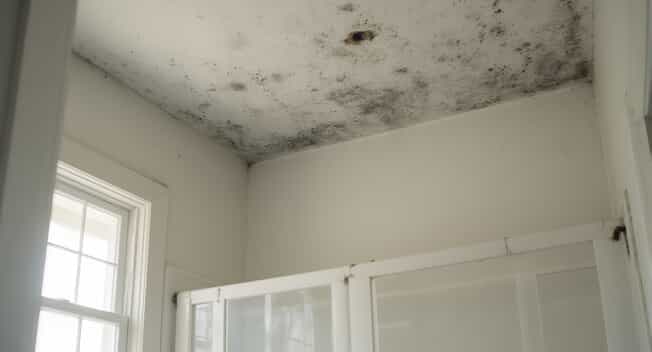
Black mold gets a lot of attention, and honestly, not all of it is helpful. In Satellite Beach homes, what we actually see during inspections is much less dramatic—but much more practical. Black mold usually shows up because of moisture that stayed too long, not because something unusual or rare happened.
I’ve inspected coastal homes that looked spotless, smelled fine, and still had hidden mold developing quietly behind walls or inside HVAC systems. Ever wonder why mold sometimes shows up months after a leak or humidity issue? That slow, hidden growth explains most cases.
Let’s break this down in a straightforward way so homeowners know what really matters.
What Black Mold Actually Is (and Isn’t)
First, a quick reality check. “Black mold” is a broad term people use to describe dark-colored mold growth. Some molds that appear black can produce irritants or allergens, but color alone doesn’t determine how serious a mold problem is.
What really matters:
- How long moisture has been present
- How large the affected area is
- Whether mold spores circulate through the air
- Whether HVAC systems are involved
Rhetorical question time: if moisture stays trapped behind walls for months, does the mold color really matter as much as the conditions causing it?
In real inspections, conditions almost always matter more than appearance.
Why Coastal Homes Like Satellite Beach See More Mold
Homes near the coast face environmental factors that make mold growth easier.
Common conditions include:
- Higher humidity levels year-round
- Salt air that affects building materials and finishes
- Heavy seasonal rain and storms
- Air conditioning running most of the year
Humidity alone can create moisture buildup in places homeowners never think to check—inside walls, ceilings, closets, and HVAC systems.
IMO, humidity is the quietest cause of mold problems in Brevard County.
Where Black Mold Usually Appears
One of the biggest misconceptions homeowners have is that mold grows in obvious places. In reality, black mold often develops where no one looks.
During inspections in Satellite Beach homes, common locations include:
- Behind drywall after slow leaks
- Around window frames and sliding doors
- Inside air handlers and ductwork
- Bathrooms with poor ventilation
- Under flooring affected by moisture
These areas provide darkness, limited airflow, and steady moisture—exactly what mold needs.
Early Signs Homeowners Often Miss
Mold rarely appears overnight. Most problems begin with small warning signs.
Watch for:
- A faint musty smell that comes and goes
- Slight discoloration near vents or baseboards
- Condensation around windows or AC vents
- Allergy symptoms that worsen indoors
These clues often appear weeks or months before visible mold.
FYI, musty odors almost always indicate moisture somewhere, even if mold isn’t visible yet.
How Black Mold Affects Indoor Air Quality
Mold doesn’t need to be visible to affect the air. As mold grows, it releases microscopic spores that circulate through the home.
In homes where HVAC systems are involved, spores can spread faster because airflow distributes them into multiple rooms.
Homeowners sometimes notice:
- Air feeling heavier or stale
- Odors strongest when the AC starts
- Symptoms improving when leaving the house
That pattern shows up again and again during inspections.
Why Mold Often Returns After Cleaning
One of the most common things we see is mold returning after homeowners clean it themselves. That doesn’t happen because cleaning was done poorly—it happens because the moisture source was never fixed.
Cleaning alone:
- Removes surface staining
- Leaves mold roots inside materials
- Doesn’t stop hidden growth
If moisture remains, mold almost always returns.
That’s why inspection comes before removal in most professional approaches.
The Role of Mold Inspection and Testing
Mold inspection helps identify:
- Where mold is growing
- What moisture source caused it
- How far contamination has spread
Mold testing helps determine:
- Airborne mold levels
- Whether exposure is elevated indoors
- Whether HVAC systems are contributing
Together, inspection and testing remove guesswork and guide the right solution.
What Mold Removal and Remediation Typically Involve
When black mold is confirmed, the solution depends on the extent of growth. In many cases, remediation includes:
- Removing mold-damaged materials
- Cleaning and treating structural surfaces
- Controlling moisture sources
- Improving ventilation or drainage
Containment and air filtration often help prevent spores from spreading during the process.
These steps sound technical, but they follow a simple principle: remove mold and fix the environment that allowed it to grow.
How Homeowners Can Reduce Mold Risk
Preventing mold doesn’t require major changes. A few consistent habits help a lot:
- Run bathroom and kitchen ventilation
- Maintain HVAC systems regularly
- Address leaks promptly
- Monitor indoor humidity levels
- Ensure good airflow in closets and storage areas
Small adjustments often prevent large remediation projects later.
Why Acting Early Saves Money
One lesson inspections teach repeatedly is that early action reduces cost and damage.
When homeowners act early:
- Less material needs removal
- Air quality improves faster
- Remediation takes less time
Waiting allows mold to spread into hidden materials, which increases the scope of work.
Ever notice how small maintenance issues always cost less than major repairs? Mold follows the same rule.
Final Thoughts
Black mold in Satellite Beach homes usually develops gradually due to moisture and humidity, not sudden events. Understanding where mold grows, what causes it, and how it spreads helps homeowners respond calmly and effectively.
When inspection, moisture control, and proper remediation work together, mold problems become manageable—and often preventable.