
Mold Health Effects in Cape Canaveral: What Homeowners in Brevard County Should Know
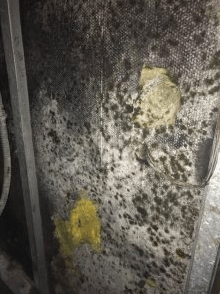
Most people think of mold as a property issue first—stains, smells, or damage to walls. But in many Cape Canaveral homes, the bigger concern ends up being how mold affects the people living inside. The tricky part is that mold-related health effects often appear gradually, which makes them easy to overlook.
I’ve seen homes where occupants blamed seasonal allergies for months, only to discover elevated mold levels in the air later. Ever notice how symptoms sometimes improve when you spend a few days away from home? That pattern shows up more often than people realize.
Let’s walk through what homeowners in Brevard County should realistically know about mold and health.
Why Mold Affects Indoor Air Quality First
Mold reproduces by releasing microscopic spores. These spores float in the air and settle on surfaces, which means people often breathe them long before they ever see mold growth.
In Cape Canaveral homes, several conditions make airborne mold more likely:
- High humidity for much of the year
- Air conditioning running frequently
- Limited natural ventilation
- Occasional storm-related moisture
When spores circulate through the air, indoor air quality changes—even if walls and ceilings still look normal.
Rhetorical question time: if the air changes before the walls do, which problem do you notice first—the smell or the stain?
Most homeowners notice the smell.
Common Health Effects Associated With Mold Exposure
Not everyone reacts to mold in the same way, but certain patterns appear repeatedly in homes where mold exposure is confirmed.
Common symptoms include:
- Nasal congestion or sinus irritation
- Sneezing or coughing indoors
- Headaches or fatigue
- Eye or throat irritation
Some people experience mild symptoms, while others—especially those with asthma or allergies—notice stronger reactions.
FYI, symptoms often fluctuate depending on how much time someone spends inside the affected space.
Why Symptoms Are Often Misunderstood
One reason mold-related health effects go unnoticed is that the symptoms resemble common conditions like seasonal allergies, colds, or dry air irritation.
Homeowners often assume:
- “It’s just pollen season.”
- “The AC air feels dry.”
- “Everyone gets headaches sometimes.”
Those explanations seem reasonable, which is why indoor air quality rarely becomes the first suspect.
IMO, indoor air quality gets blamed last, even though it affects people every day.
Hidden Mold Can Have a Bigger Impact Than Visible Mold
Many homeowners assume visible mold must be present for health issues to occur. In reality, hidden mold often affects air quality more than visible growth.
During inspections in Cape Canaveral homes, mold frequently develops:
- Behind drywall after minor leaks
- Inside HVAC systems
- Under flooring affected by moisture
- In closets or storage areas with poor airflow
These locations allow mold to grow undisturbed, releasing spores continuously.
Ever wonder why a room smells musty even after cleaning? Hidden mold often explains it.
The Role of HVAC Systems in Mold Exposure
HVAC systems play a major role in indoor air quality. When mold develops inside air handlers or ductwork, spores can spread throughout the home.
Common HVAC-related factors include:
- Condensation on evaporator coils
- Moisture in drain pans
- Dust accumulation inside ducts
Once spores enter the airflow, they can reach multiple rooms quickly.
That’s why some homeowners notice symptoms throughout the house instead of in just one area.
Why Coastal Homes Face Unique Challenges
Cape Canaveral’s coastal environment creates conditions that allow mold to grow more easily than in many inland areas.
Contributing factors include:
- Persistent humidity
- Salt air affecting materials
- Frequent rain and storms
- Homes staying closed for long periods while AC runs
Humidity alone can support mold growth, even without leaks or flooding.
Ever notice how closets or storage areas sometimes feel damp even when nothing is wet? That’s humidity at work.
When Mold Testing Becomes Helpful
Homeowners often consider mold testing when:
- Musty odors persist
- Symptoms worsen indoors
- Mold has appeared before and returned
- A leak or water damage occurred in the past
Testing helps determine whether airborne mold levels are elevated and whether further inspection or remediation may be necessary.
Testing doesn’t guess—it measures.
The Importance of Mold Inspection
While testing evaluates air quality, inspection helps identify:
- Moisture sources
- Visible and hidden mold growth
- Areas at risk for future problems
Inspection and testing together provide the clearest picture of what’s happening inside a home.
Without inspection, homeowners sometimes treat symptoms rather than causes.
Preventing Mold-Related Health Issues
Preventing mold growth also helps protect indoor air quality and health. Homeowners in Cape Canaveral can reduce risk by:
- Maintaining HVAC systems regularly
- Addressing leaks promptly
- Using exhaust fans in bathrooms and kitchens
- Keeping indoor humidity under control
- Allowing airflow in closets and storage areas
These steps reduce moisture, which is the key factor behind mold growth.
Small preventive actions often avoid much larger remediation projects later.
Why Early Action Matters
One consistent lesson from inspections is that early attention makes a major difference. When mold problems are addressed early:
- Indoor air quality improves faster
- Less material requires removal
- Costs remain lower
- Health symptoms often improve
Waiting allows mold to spread and increases exposure over time.
Ever notice how small maintenance tasks always cost less than large repairs? Mold problems follow the same rule.
Final Thoughts
Mold health effects in Cape Canaveral homes often develop gradually due to humidity, hidden moisture, and indoor air exposure. Understanding the early signs, paying attention to indoor air quality, and acting promptly when concerns arise helps homeowners protect both their homes and their health.
Inspection, testing, and moisture control work together to keep mold problems manageable—and often prevent them entire