
Mold After Water Damage in Melbourne: What Homeowners in Brevard County Should Know
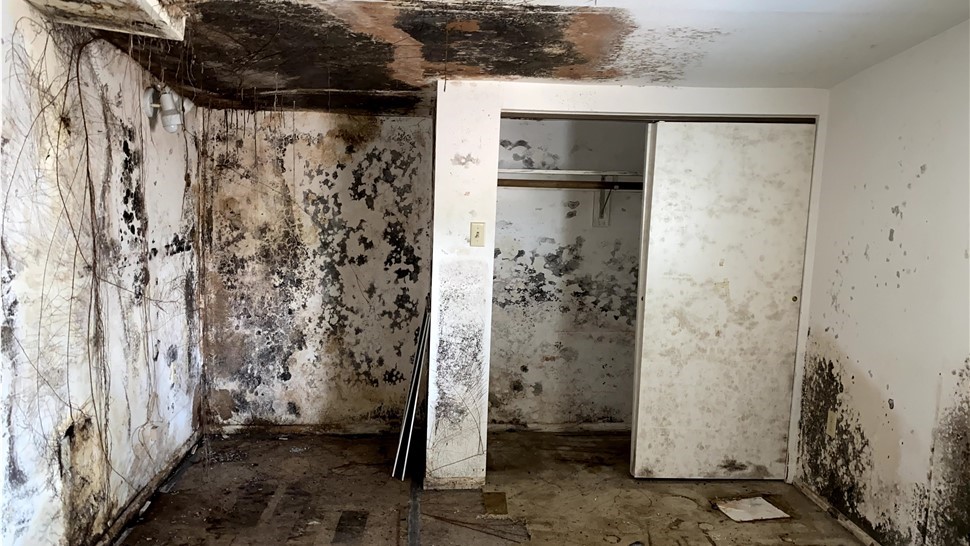
Water damage feels temporary. Mold problems are not. In Melbourne homes, one of the most common inspection findings involves mold growth that starts weeks or even months after water damage appears “fixed.” The surfaces dry, the smell fades, and life moves on—until mold quietly takes over behind the scenes.
I’ve inspected homes where homeowners swore the leak was handled perfectly, only to find mold spreading behind walls and under floors. Ever wonder why mold shows up long after the water disappears? The answer usually sits inside the materials that never fully dried.
Let’s walk through how water damage turns into mold problems—and what homeowners should actually watch for.
Why Water Damage Creates the Perfect Conditions for Mold
Mold needs only three things to grow: moisture, organic material, and time. Water damage delivers all three at once.
In Melbourne homes, water damage often comes from:
- Roof leaks during storms
- Plumbing leaks inside walls
- Appliance failures
- AC drain backups
- Flooding or heavy rain intrusion
Even when surfaces dry quickly, moisture often stays trapped inside drywall, insulation, subfloors, and framing.
Rhetorical question time: if water soaks into materials you can’t see, how would you know it’s still there?
That’s exactly how mold starts unnoticed.
Why “Dry” Doesn’t Mean Safe
One of the biggest misconceptions homeowners have is believing that once things feel dry, the problem is over.
During inspections, we often find:
- Dry paint covering damp drywall
- Flooring that looks normal above wet subfloors
- Walls that feel solid but contain hidden mold
Materials dry from the outside in. Mold grows from the inside out.
IMO, this misunderstanding causes more mold problems than the water damage itself.
How Fast Mold Can Start After Water Damage
Mold doesn’t wait long. In Florida’s warm, humid climate, mold can begin developing within 24 to 72 hours after water exposure if drying is incomplete.
Factors that accelerate mold growth include:
- High indoor humidity
- Limited airflow
- Closed-up homes with AC running
- Porous building materials
Melbourne’s climate makes this process even faster.
Ever notice how musty smells sometimes appear days after a leak? That’s often mold starting to grow.
Common Places Mold Develops After Water Damage
Mold rarely starts where homeowners expect. After water damage, inspections in Melbourne homes frequently uncover mold in:
- Behind drywall near leaks
- Under laminate or carpeted flooring
- Inside cabinets and baseboards
- Attics affected by roof leaks
- HVAC systems exposed to moisture
These areas stay dark, damp, and undisturbed—perfect for mold growth.
That’s why mold problems often feel sudden, even though they’ve been developing quietly.
Why Mold Often Spreads Beyond the Original Leak Area
Homeowners often focus only on where the water damage occurred. Unfortunately, mold doesn’t stay confined to that space.
Once mold develops:
- Spores become airborne
- HVAC systems circulate spores
- Adjacent rooms become affected
That’s why mold sometimes appears far from the original water source.
FYI, this explains why people notice symptoms throughout the home, not just near the leak.
The Role of HVAC Systems After Water Damage
HVAC systems play a major role in post-water-damage mold issues. Moisture can enter HVAC components through:
- Condensation buildup
- Wet insulation
- Flooded air handlers
Once mold develops inside the system, airflow distributes spores throughout the house.
This often leads to:
- Musty odors when AC runs
- Mold appearing in multiple rooms
- Indoor air quality concerns
In many inspections, HVAC involvement turns a localized issue into a whole-home problem.
Why DIY Drying Often Falls Short
Many homeowners respond quickly to water damage, which is great. The problem is that DIY drying usually focuses on visible water only.
DIY efforts often miss:
- Moisture inside walls
- Damp insulation
- Wet subfloors
Without professional moisture detection, it’s easy to assume everything is dry when it isn’t.
Ever notice how a room can feel dry but still smell damp? That’s trapped moisture at work.
When Mold Inspection Becomes Necessary
After water damage, inspection helps determine whether mold has begun developing.
Inspection typically focuses on:
- Moisture detection
- Hidden mold growth
- Areas at risk for future growth
Mold testing may also help confirm whether airborne mold levels increased after the incident.
Together, inspection and testing remove guesswork and guide the next steps.
Mold Removal and Remediation After Water Damage
When mold develops after water damage, remediation usually involves more than surface cleaning.
Typical steps include:
- Removing mold-damaged materials
- Drying affected areas thoroughly
- Cleaning and treating structural components
- Addressing moisture sources permanently
Containment and air filtration often help prevent spores from spreading during the process.
The goal isn’t just cleanup—it’s stopping mold from returning.
Preventing Mold After Future Water Damage
Water damage can happen to any home, but mold doesn’t have to follow.
Homeowners can reduce risk by:
- Acting immediately after leaks
- Drying affected areas thoroughly
- Monitoring humidity levels
- Inspecting hidden areas after water events
- Maintaining HVAC systems
Fast response makes a huge difference.
IMO, the first 48 hours after water damage matter more than anything else.
Why Early Action Saves Money and Stress
One consistent lesson from inspections is that early action prevents expensive remediation.
When homeowners act early:
- Mold stays localized
- Less material requires removal
- Indoor air quality recovers faster
Waiting allows mold to spread, increasing both cost and disruption.
Ever notice how small repairs always feel easier than big ones? Mold follows the same rule.
Final Thoughts
Mold after water damage in Melbourne homes usually develops quietly when moisture remains trapped inside building materials. Understanding how water damage leads to mold helps homeowners respond faster and more effectively.
When water damage gets dried thoroughly, inspected properly, and monitored closely, mold problems often never develop at all.