
Mold in Bathrooms in Cocoa: What Homeowners in Brevard County Should Know
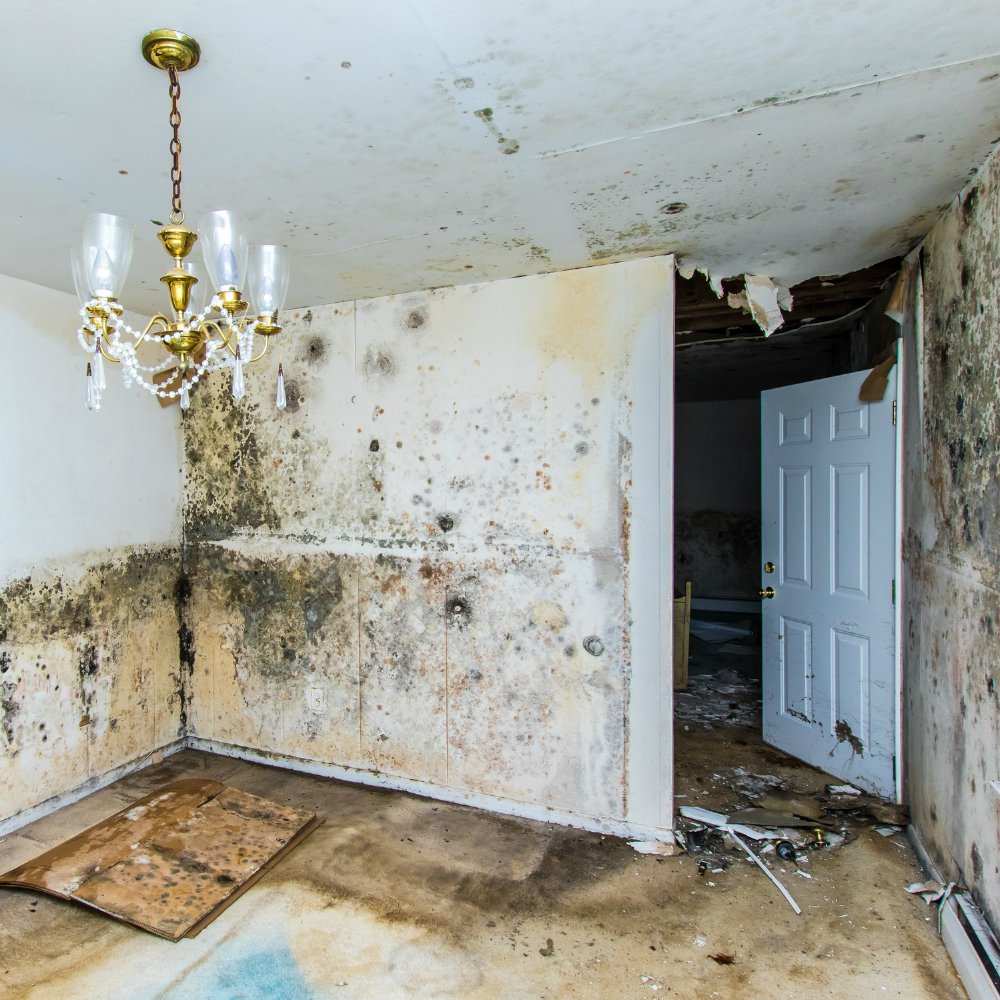
Bathrooms create the perfect environment for mold. Warm air, frequent moisture, and limited airflow all come together in one small space, and in Cocoa homes, that combination shows up often during inspections. The surprising part isn’t that mold appears—it’s how early the warning signs start and how easily they get overlooked.
I’ve walked into bathrooms that looked clean at first glance but smelled slightly damp, and that faint smell turned out to be the first clue. Ever notice how mirrors stay fogged longer or walls feel slightly damp after a shower? That moisture lingers longer than most people realize.
Let’s take a realistic look at why mold develops in bathrooms, what to watch for, and how homeowners in Brevard County can prevent it.
Why Bathrooms Are So Prone to Mold
Bathrooms generate moisture every single day. Showers, baths, and even sinks release water vapor into the air, and if that moisture doesn’t leave the room quickly, it settles on surfaces.
In Cocoa homes, mold commonly develops because of:
- High humidity levels year-round
- Hot showers creating steam
- Limited ventilation
- Closed doors and windows
When moisture stays trapped, mold spores—already present in the air—begin to grow on surfaces.
Rhetorical question time: if a room gets wet daily and doesn’t dry completely, how long would it take for mold to appear?
In many cases, not long at all.
Where Mold Commonly Appears in Bathrooms
Many homeowners expect mold to grow only in obvious places like grout lines, but inspections often reveal growth in less visible areas.
Common locations include:
- Ceiling corners above showers
- Behind toilets and vanities
- Around window frames
- Inside exhaust fan housings
- Under sinks and cabinets
These areas often stay damp longer than tile or glass, which allows mold to develop quietly.
IMO, ceilings and corners get overlooked the most, even though warm steam rises and collects there first.
Early Signs Homeowners Often Miss
Mold rarely appears overnight. Most problems start with subtle changes that seem harmless.
Watch for:
- A faint musty smell
- Dark spots in grout or caulking
- Peeling paint on ceilings
- Condensation lingering on walls
These signs often appear weeks before mold spreads significantly.
FYI, musty odors almost always indicate moisture problems somewhere nearby.
The Role of Ventilation in Mold Prevention
Ventilation plays the biggest role in preventing bathroom mold. Exhaust fans remove humid air and help surfaces dry faster.
However, during inspections in Cocoa homes, we often find:
- Fans that aren’t used regularly
- Fans that vent into attics instead of outdoors
- Fans clogged with dust
If humid air doesn’t leave the bathroom, moisture settles on surfaces and mold growth becomes much more likely.
Ever notice how bathrooms without fans take much longer to dry after a shower? That extra moisture time makes a big difference.
How Humidity Affects Mold Growth
Cocoa’s climate keeps humidity levels high throughout much of the year. Even after steam clears, moisture can remain in the air, especially in bathrooms with limited airflow.
High humidity contributes to:
- Condensation on walls and ceilings
- Damp towels and bath mats
- Slow drying surfaces
When humidity stays elevated, mold growth accelerates.
Humidity doesn’t need standing water to cause problems—it only needs time.
Why Mold Returns After Cleaning
One of the most common frustrations homeowners face is mold returning after cleaning. This usually happens because cleaning removes visible growth but doesn’t change the conditions that allowed mold to grow.
Mold often returns when:
- Humidity stays high
- Ventilation remains poor
- Moisture continues to accumulate
Cleaning treats the symptom. Moisture control solves the cause.
Ever notice how mold often reappears in the same spot? That’s a strong sign moisture is still present.
The Connection Between Bathrooms and Indoor Air Quality
Bathroom mold doesn’t always stay confined to one room. Spores can travel through airflow, especially when HVAC systems circulate air throughout the home.
This can lead to:
- Musty odors spreading beyond the bathroom
- Mold appearing in nearby rooms
- Changes in indoor air quality
That’s why addressing bathroom mold early helps prevent larger issues.
When Mold Inspection Becomes Necessary
Sometimes mold growth becomes visible, but in other cases, homeowners notice odors or humidity issues without obvious mold.
Inspection may help identify:
- Hidden mold behind walls or cabinets
- Moisture sources
- Areas at risk of further growth
Mold testing may also help confirm whether airborne mold levels are elevated, particularly when odors persist.
Inspection and testing together provide clarity and help guide the next steps.
Mold Removal and Remediation in Bathrooms
When mold growth becomes significant, remediation may include:
- Removing contaminated materials
- Cleaning and treating affected surfaces
- Improving ventilation
- Addressing moisture sources
Containment may also be used in larger cases to prevent spores from spreading.
The goal isn’t just cleaning—it’s restoring conditions where mold can’t easily return.
Practical Steps to Prevent Bathroom Mold
Homeowners in Cocoa can significantly reduce mold risk with a few consistent habits:
- Run exhaust fans during and after showers
- Leave the bathroom door open to improve airflow
- Wipe down wet surfaces when possible
- Repair leaks promptly
- Wash and dry bath mats regularly
These small steps help reduce moisture and prevent mold growth over time.
Ever notice how bathrooms that dry quickly rarely develop mold? Drying time matters more than most people think.
Why Early Action Saves Time and Money
One clear lesson from inspections is that early attention prevents larger remediation projects later.
When homeowners act early:
- Mold stays localized
- Cleaning remains simple
- Repairs stay minor
Waiting allows mold to spread into drywall, ceilings, and cabinets, increasing the cost and complexity of remediation.
Maintenance almost always costs less than restoration.
Final Thoughts
Mold in bathrooms in Cocoa homes usually develops because of moisture, humidity, and limited ventilation—not because of major water damage. Understanding early warning signs, improving airflow, and controlling humidity help homeowners prevent mold before it becomes a larger problem.
When ventilation, maintenance, and moisture control work together, bathroom mold becomes much easier to manage—and often avoid entirely.