
Mold Inspection in Merritt Island: What Homeowners in Brevard County Should Know
Most homeowners in Merritt Island don’t think about mold until something feels off inside the home. Maybe there’s a musty smell that won’t go away, a stain appearing on the ceiling, or humidity that seems impossible to control. Sometimes the concern begins after a storm, plumbing leak, or home purchase inspection.
In Brevard County, mold inspections are common because Florida’s climate naturally supports mold growth. Warm temperatures, high humidity, coastal moisture, and frequent storms mean that even well-maintained homes can develop hidden moisture problems.
A professional mold inspection helps homeowners understand whether mold is present, where moisture problems exist, and what steps may be needed to prevent future damage. For homeowners in Merritt Island, knowing how inspections work can help remove uncertainty and provide peace of mind.
Here’s what Brevard County homeowners should know about mold inspections and why they matter.
What a Mold Inspection Actually Looks For
A mold inspection is not simply someone looking for visible mold spots. A proper inspection focuses on identifying moisture sources and conditions that allow mold to grow.
Mold itself is usually a symptom of excess moisture. The real goal is finding why moisture is present in the home.
An inspection typically evaluates:
• Areas with past or current water damage
• Rooms with high humidity levels
• Plumbing and leak-prone locations
• HVAC systems and air circulation
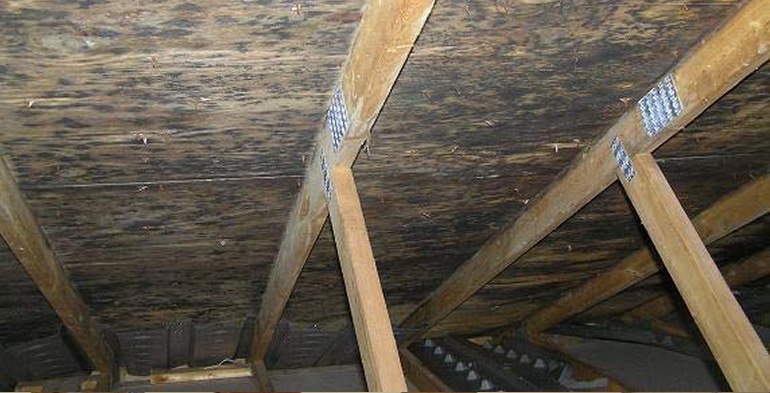
• Attics and crawl spaces
• Areas with musty odors or staining
In Merritt Island homes, inspectors frequently find moisture issues in areas homeowners never suspected, especially after storms or unnoticed plumbing leaks.
The purpose is to understand the whole moisture picture, not just treat visible mold.
Why Mold Inspections Are Common in Merritt Island Homes
Homes across Brevard County experience mold risks due to environmental conditions unique to Florida.
Coastal Humidity
Merritt Island sits between the Indian River and Banana River, meaning humidity levels stay elevated year-round. Even homes with no leaks may experience moisture buildup.
Frequent Storms and Hurricanes
Wind-driven rain and storm damage often allow water intrusion through roofs, windows, or siding.
AC Systems Running Year-Round
Air conditioning systems remove humidity but also produce condensation. Drainage issues sometimes lead to hidden moisture inside walls or ceilings.
Slab and Waterfront Construction
Many homes are built on slabs or near water, allowing moisture to travel upward into flooring or walls.
Older Homes and Renovations
Older homes or properties with past repairs sometimes contain hidden moisture from previous leaks.
Because mold problems often start invisibly, inspections help identify risks early.
Signs Homeowners Often Notice Before Calling for Inspection
Many homeowners schedule inspections after noticing warning signs inside their homes.
Common signs include:
• Persistent musty or damp smells
• Ceiling or wall discoloration
• Bubbling paint or peeling drywall
• Warped flooring or baseboards
• Increased humidity indoors
• Mold returning after cleaning
In inspections across Cocoa, Rockledge, and Palm Bay, mold problems are often discovered in homes where moisture signs were ignored initially.
If odors or stains continue despite cleaning or repairs, moisture may still be present.
Hidden Mold Problems Inspections Often Reveal
One of the biggest benefits of inspections is uncovering hidden moisture problems.
Professional inspections frequently find mold in:
• Wall cavities after plumbing leaks
• Under laminate or vinyl flooring
• Attic insulation after roof leaks
• Around HVAC systems and ductwork
• Inside closets on exterior walls
• Beneath cabinets or appliances
Homes in Satellite Beach and Cocoa Beach often show mold caused by storm intrusion homeowners never realized occurred.
By the time mold becomes visible, hidden growth may already be present.
Why Mold Isn’t Always Visible During Daily Living
Mold growth often develops slowly behind finished surfaces, making it difficult to detect.
Common reasons mold goes unnoticed include:
• Walls hide plumbing leaks
• Flooring traps moisture underneath
• Attics and crawl spaces aren’t regularly checked
• Moisture dries on surfaces but remains inside materials
• Odors spread slowly through the home
In Merritt Island homes, mold is often discovered accidentally during remodeling or inspections for real estate transactions.
Routine inspections help catch problems before major repairs are needed.
What Happens During a Professional Mold Inspection
A professional inspection follows a systematic approach.
Visual Examination
Inspectors check common moisture-prone areas, including bathrooms, kitchens, attics, HVAC systems, and exterior walls.
Moisture Detection Tools
Meters and thermal cameras detect moisture behind walls or ceilings without unnecessary damage.
HVAC and Ventilation Review
Systems are checked for condensation problems or airflow issues.
Attic and Crawl Space Evaluation
Hidden areas where moisture often accumulates are inspected.
Sampling When Necessary
Air or surface samples may help determine mold presence when growth is suspected but not visible.
Companies like Brevard Mold Inspections & Removal help homeowners understand inspection results in practical, easy-to-understand terms.
Often, inspections provide reassurance rather than bad news.
What Happens If Mold Is Found
Finding mold during an inspection doesn’t automatically mean major repairs are required.
In many cases, solutions may involve:
• Fixing plumbing or roof leaks
• Improving ventilation
• Reducing indoor humidity
• Cleaning small affected areas
• Replacing limited materials
If mold growth is extensive, remediation may be recommended.
The key is correcting moisture sources to prevent recurrence.
How Mold Remediation Works When Needed
When mold contamination becomes widespread, professional remediation safely removes affected materials and corrects moisture problems.
Typical remediation steps include:
Containment Setup
Preventing mold spores from spreading during cleanup.
Removal of Damaged Materials
Wet drywall, insulation, or flooring may need replacement.
Professional Cleaning
Remaining surfaces are cleaned safely.
Correcting Moisture Problems
Fixing leaks or ventilation issues.
Final Verification
Ensuring mold conditions return to safe levels.
The goal is restoring dry and safe living conditions.
How Homeowners Can Reduce Mold Risks After Inspection
After inspections, homeowners can take steps to prevent future mold problems.
Helpful habits include:
• Maintaining indoor humidity below 55%
• Servicing HVAC systems annually
• Running bathroom and kitchen exhaust fans
• Checking roofs after storms
• Fixing leaks quickly
• Inspecting attics periodically
• Monitoring areas previously affected by water damage
Homes near waterways benefit from extra humidity control due to coastal moisture.
Routine maintenance prevents many mold issues.
Why Local Experience Matters in Brevard County Inspections
Florida homes behave differently than homes in cooler or drier regions.
Local professionals understand:
• Coastal humidity patterns
• Hurricane-related moisture intrusion
• Florida slab foundation moisture movement
• AC condensation challenges
• Local construction methods
Solutions must match Brevard County’s environment to work effectively.
Local expertise helps prevent recurring problems.
A Practical Next Step for Merritt Island Homeowners
Many homeowners seek mold inspections simply to confirm their homes are safe and dry. Others schedule inspections after storms, leaks, or property purchases.
If your Merritt Island home has unexplained odors, moisture concerns, or recent water damage, a professional inspection can provide clarity and peace of mind.
Brevard Mold Inspections & Removal assists homeowners throughout Merritt Island and across Brevard County in identifying mold and moisture concerns and recommending practical next steps.
Addressing moisture early helps prevent costly repairs and keeps homes comfortable in Florida’s humid climate.
When something doesn’t seem right indoors, checking conditions early is often the smartest move.