
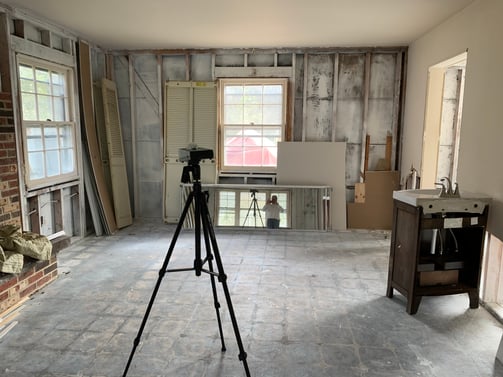
Mold Testing in Titusville: What Homeowners in Brevard County Should Know
In Titusville and throughout Brevard County, mold concerns are something many homeowners eventually face. Sometimes it begins with a musty odor that won’t go away. Other times, mold is discovered after water damage, during a home purchase inspection, or after repeated moisture problems inside the home.
One of the most common questions homeowners ask is whether mold testing is necessary. Many people aren’t sure what testing actually tells them, when it’s helpful, or how the process works.
In Florida’s humid climate, mold growth is common, but testing helps homeowners understand whether mold levels inside the home are normal or elevated and whether hidden problems may exist.
For homeowners in Titusville, Cocoa, Merritt Island, Palm Bay, and across Brevard County, understanding mold testing can remove uncertainty and help guide the right next steps.
What Mold Testing Actually Does
Mold testing measures mold spore levels in the air or on surfaces inside a home. Since mold spores are always present in both outdoor and indoor air, testing helps determine whether indoor mold levels are unusually high or whether specific mold growth may be occurring indoors.
Testing can help answer questions such as:
• Is mold present even if none is visible?
• Are mold levels higher indoors than outdoors?
• Did past water damage lead to mold growth?
• Is mold affecting indoor air quality?
• Has remediation been successful?
Testing does not replace inspections. Instead, it works together with a professional inspection to better understand conditions inside the home.
In many Titusville homes, testing is used when mold is suspected but not easily visible.
Why Mold Testing Is Common in Brevard County Homes
Florida homes experience environmental conditions that naturally support mold growth, making testing more common than in many other regions.
High Humidity Levels
Humidity often stays above 60% year-round in Titusville, allowing moisture to build up indoors.
Frequent Storms and Hurricanes
Storm damage and heavy rain often introduce water into homes through roofs, walls, and windows.
Year-Round AC Usage
Air conditioning systems create condensation that sometimes leads to hidden moisture problems.
Slab and Waterfront Construction
Homes built near waterways or on slab foundations may experience moisture movement into flooring and walls.
Older Homes or Renovated Properties
Past repairs or leaks sometimes leave hidden moisture that leads to mold growth later.
Because moisture problems are common, mold testing often helps homeowners confirm whether concerns are justified.
Signs Mold Testing May Be Needed
Not every home requires mold testing, but certain conditions make testing helpful.
Homeowners often request testing when they notice:
• Persistent musty smells
• Repeated mold growth after cleaning
• Unexplained indoor humidity issues
• Past flooding or leaks
• Visible water damage
• Home purchase or sale inspections
• Post-remediation verification
In Titusville inspections, testing is often requested after storm damage when homeowners want confirmation their home is safe after repairs.
Testing can also help identify hidden mold problems before visible damage appears.
Hidden Mold Problems Testing Can Help Detect
Mold isn’t always visible. In fact, many mold problems develop in areas homeowners rarely check.
Testing often helps identify mold associated with:
• Leaks behind drywall
• Mold under flooring materials
• Attic mold from roof leaks
• HVAC duct contamination
• Crawl space moisture problems
• Plumbing leaks under cabinets
Homes in Cocoa and Merritt Island often show hidden mold after small leaks went unnoticed for long periods.
Testing sometimes reveals mold issues homeowners didn’t realize existed.
Types of Mold Testing Used in Homes
Several types of mold testing may be used depending on the situation.
Air Sampling
Air samples measure mold spores floating in indoor air and compare them with outdoor levels. Elevated indoor levels suggest indoor mold growth.
Surface Sampling
Swab or tape samples are taken from visible surfaces to confirm mold presence and identify types.
Wall Cavity Sampling
Small samples may be taken inside wall spaces when hidden mold is suspected.
HVAC Sampling
Air samples may be taken from HVAC systems if contamination is suspected.
Not every inspection requires every type of test. Professionals select testing methods based on observed conditions.
Why Mold Testing Alone Isn’t Enough
Some homeowners believe testing alone solves mold problems, but testing only measures conditions.
Testing cannot:
• Remove mold
• Fix moisture problems
• Repair damage
• Prevent mold from returning
If testing shows elevated mold levels, moisture sources must still be located and corrected.
In Titusville homes, testing often confirms a problem, but inspection and remediation address the cause.
Testing provides information, not solutions by itself.
Common Situations Where Mold Testing Helps Most
Mold testing is particularly helpful in certain situations.
After Water Damage
Testing helps confirm whether mold developed after leaks or flooding.
Before Buying or Selling a Home
Buyers and sellers often request testing during real estate transactions.
After Mold Remediation
Post-remediation testing verifies cleanup success.
When Odors Exist Without Visible Mold
Testing helps determine whether hidden mold may be present.
Health or Comfort Concerns
Some homeowners want confirmation indoor air conditions are normal.
Testing provides clarity when uncertainty exists.
What Happens During a Professional Mold Testing Visit
A typical mold testing appointment follows a structured process.
Initial Inspection
Inspectors evaluate the home and discuss homeowner concerns.
Moisture Assessment
Meters and tools locate possible moisture sources.
Sample Collection
Air or surface samples are taken in selected areas.
Lab Analysis
Samples are sent to a laboratory for analysis.
Results Review
Results are explained in clear terms, helping homeowners understand findings.
Companies like Brevard Mold Inspections & Removal often help homeowners interpret results and decide on practical next steps.
In many cases, results show mold levels within normal ranges, providing reassurance.
What Happens If Testing Shows Elevated Mold Levels
If mold testing indicates elevated levels, professionals then determine the source.
Possible next steps may include:
• Identifying and repairing leaks
• Improving ventilation
• Reducing indoor humidity
• Cleaning affected areas
• Performing mold remediation when necessary
Correcting moisture sources prevents mold from returning.
Testing guides decisions but doesn’t automatically mean major repairs are required.
Preventing Mold Problems After Testing
Whether testing finds problems or not, homeowners can reduce future mold risks by controlling moisture.
Helpful prevention habits include:
• Keeping indoor humidity below 55%
• Scheduling HVAC maintenance annually
• Running bathroom and kitchen exhaust fans
• Fixing leaks immediately
• Inspecting roofs after storms
• Checking attics and crawl spaces periodically
Homes near coastal areas like Cape Canaveral and Satellite Beach benefit from extra humidity monitoring.
Routine maintenance prevents many mold concerns.
Why Local Experience Matters for Mold Testing
Florida homes face mold challenges that differ from homes in cooler climates.
Local professionals understand:
• Coastal humidity effects
• Hurricane water intrusion patterns
• Florida slab construction moisture movement
• HVAC condensation challenges
• Common building materials used locally
Testing methods and solutions must match Brevard County’s climate conditions.
Local experience ensures accurate interpretation of results.
A Practical Next Step for Titusville Homeowners
Many homeowners request mold testing simply to gain peace of mind. Others want confirmation after water damage or when odors won’t disappear.
If your Titusville home recently experienced leaks, flooding, or unexplained humidity problems, mold testing can provide clarity and direction.
Brevard Mold Inspections & Removal assists homeowners throughout Titusville and across Brevard County in evaluating mold concerns and recommending practical next steps.
Acting early helps prevent larger repairs and keeps homes comfortable in Florida’s humid climate.
When something feels off inside your home, testing and inspection often provide the answers homeowners need.