
Mold FAQs in Satellite Beach: What Homeowners in Brevard County Should Know
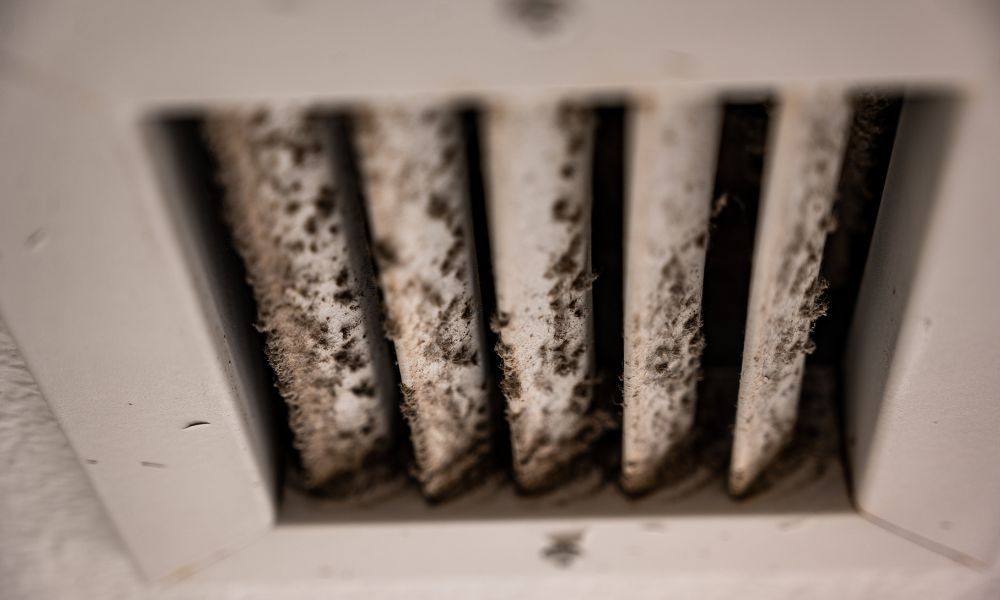
Homeowners in Satellite Beach ask a lot of the same questions about mold—and for good reason. Living near the coast means dealing with humidity, salt air, and storms, all of which create conditions where mold can grow more easily than many people expect. The challenge is that mold doesn’t always behave the way homeowners assume it will.
I’ve walked through homes where people were worried about a tiny spot on a wall while a much bigger moisture problem existed somewhere else entirely. Ever notice how mold questions usually start after someone smells something musty? That smell is often the first clue that something inside the home needs attention.
Let’s go through some of the most common questions homeowners ask about mold and what actually matters in real homes across Brevard County.
What Causes Mold to Grow in Homes?
Mold needs only three things to grow:
- Moisture
- Organic material (like drywall or wood)
- Time
In Satellite Beach homes, moisture usually comes from:
- High indoor humidity
- Air-conditioning condensation
- Plumbing leaks
- Roof leaks after storms
Many homeowners assume mold requires flooding or major water damage, but that’s rarely the case. Even small moisture problems can support mold growth if they last long enough.
Rhetorical question time: if humidity stays high for weeks, does mold really need a leak to start growing? Usually, it doesn’t.
How Fast Can Mold Grow?
Mold can begin developing within 24 to 72 hours after moisture affects building materials, especially in Florida’s warm climate. That doesn’t mean visible mold appears immediately, but growth often starts long before homeowners see it.
Conditions that speed up mold growth include:
- High humidity
- Limited airflow
- Warm indoor temperatures
Satellite Beach’s climate often provides all three at once.
Ever notice how musty odors sometimes appear a few days after a leak or heavy rain? That’s often mold beginning to grow.
Where Does Mold Usually Appear?
Many people expect mold to grow in obvious places like bathrooms or kitchens, but inspections frequently reveal mold in areas that aren’t visible.
Common hidden locations include:
- Behind drywall after minor leaks
- Inside HVAC systems
- Under flooring
- In attics or crawl spaces
These areas stay dark and damp, which allows mold to grow quietly for long periods.
IMO, hidden mold causes more problems than visible mold simply because it goes unnoticed longer.
What Are the First Signs of Mold?
Mold often gives subtle clues before becoming visible. Homeowners should watch for:
- Musty or earthy odors
- Peeling paint or bubbling drywall
- Condensation on vents or windows
- Allergy-like symptoms indoors
These signs don’t always mean mold is present, but they usually indicate moisture somewhere in the home.
FYI, persistent odors almost always point to moisture, even if mold hasn’t appeared yet.
Can Mold Affect Indoor Air Quality?
Yes. Mold releases microscopic spores that move through the air. When spores circulate, they can affect indoor air quality even if mold growth stays hidden.
Homeowners sometimes notice:
- Air that feels heavy or stale
- Odors strongest when the AC runs
- Symptoms improving when leaving the house
These patterns often appear when mold develops inside HVAC systems or hidden cavities.
Ever wonder why some homes smell musty only when the air conditioner starts? HVAC systems often explain that pattern.
Is Mold Testing Always Necessary?
Mold testing isn’t always required, but it helps in certain situations.
Testing can be useful when:
- Odors persist without visible mold
- Mold returns after cleaning
- Occupants experience indoor symptoms
- A home had past water damage
Testing measures airborne mold levels and compares indoor conditions to outdoor air, helping determine whether exposure is elevated.
Testing doesn’t guess—it measures.
What Does a Mold Inspection Include?
A professional mold inspection typically involves:
- Visual assessment of the home
- Moisture detection in walls and materials
- Identifying ventilation or drainage problems
- Checking HVAC systems
Inspection helps locate mold and identify the moisture source, which is essential for preventing recurrence.
Without inspection, homeowners sometimes treat symptoms rather than causes.
Why Does Mold Keep Coming Back?
Mold usually returns because the moisture source wasn’t fully addressed. Cleaning removes visible growth, but moisture allows mold to grow again.
Common reasons mold returns include:
- Ongoing humidity problems
- Slow plumbing leaks
- Condensation issues
- Poor ventilation
Ever notice how mold often reappears in the same place? That’s a strong sign moisture is still present.
Fixing moisture is always the key step.
Can Mold Be Prevented?
Yes, and prevention is often simpler than remediation.
Homeowners in Satellite Beach can reduce mold risk by:
- Maintaining HVAC systems regularly
- Using exhaust fans in bathrooms and kitchens
- Repairing leaks promptly
- Monitoring indoor humidity
- Allowing airflow in closets and storage areas
These steps reduce the moisture that mold needs to grow.
Small habits often prevent large repairs.
Why Coastal Homes Need Extra Attention
Satellite Beach homes face environmental factors that increase mold risk:
- High humidity year-round
- Salt air affecting materials
- Storm-related moisture
- Air conditioning running frequently
These conditions don’t guarantee mold growth, but they make moisture control especially important.
Ever notice how coastal homes sometimes feel damp even with air conditioning running? That’s humidity at work.
Why Acting Early Makes a Big Difference
One consistent lesson from inspections is that early action prevents larger problems.
When homeowners respond quickly:
- Mold remains localized
- Repairs stay smaller
- Indoor air quality improves faster
Waiting allows mold to spread into hidden areas, increasing both cost and repair time.
Maintenance almost always costs less than remediation.
Final Thoughts
Mold FAQs in Satellite Beach often come down to the same core idea: moisture control determines everything. Mold doesn’t appear randomly—it follows humidity, condensation, and small leaks that go unnoticed.
Understanding how mold develops, recognizing early warning signs, and addressing moisture quickly helps homeowners prevent small problems from becoming major r