
Mold After Hurricanes in Cape Canaveral: What Homeowners in Brevard County Should Know
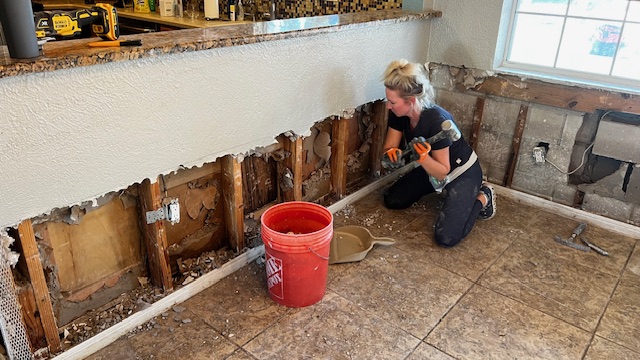
Hurricanes don’t just bring wind and rain—they leave moisture behind in places homeowners can’t see. In Cape Canaveral homes, mold problems often begin days or weeks after a storm, even when everything appears dry on the surface.
I’ve inspected homes where storm damage looked minor at first, but hidden moisture inside walls and insulation created mold growth later. Ever notice how musty odors sometimes appear long after cleanup is finished? That delay is common after hurricane-related water exposure.
Let’s walk through how hurricanes lead to mold, what warning signs homeowners should watch for, and how to reduce long-term damage.
Why Hurricanes Create Ideal Conditions for Mold
Hurricanes introduce large amounts of moisture into homes, sometimes in ways that aren’t immediately obvious.
Common sources of moisture after storms include:
- Roof leaks from wind damage
- Water intrusion around windows and doors
- Flooding or rising water
- Wind-driven rain entering small openings
Even when visible water is removed quickly, moisture often remains trapped inside building materials.
Rhetorical question time: if water soaks into drywall or insulation, does drying the surface remove all of it? Usually, it doesn’t.
That hidden moisture often becomes the starting point for mold growth.
How Mold Develops After Storm Damage
Mold can begin growing within 24 to 72 hours after materials become damp, especially in Florida’s warm, humid climate.
Conditions that accelerate mold growth include:
- Warm temperatures
- High humidity
- Limited airflow
- Damp building materials
After a hurricane, these conditions often exist simultaneously, which explains why mold sometimes develops quickly.
Ever notice how a damp room smells musty within a few days? That’s often mold beginning to grow.
Where Mold Appears After Hurricanes
Mold rarely grows in obvious locations first. After hurricanes, inspections in Cape Canaveral homes often find mold in:
- Behind drywall affected by leaks
- Under flooring exposed to water
- Inside insulation
- Attics where roof damage occurred
- HVAC systems exposed to moisture
These areas retain moisture longer than visible surfaces, allowing mold to develop quietly.
IMO, hidden mold causes more post-storm problems than visible mold.
Why Mold Sometimes Appears Weeks Later
One of the most confusing things for homeowners is seeing mold appear weeks after the storm.
This happens because:
- Materials dry slowly from the inside
- Moisture becomes trapped in insulation and wood
- Mold grows gradually until visible
By the time mold appears on surfaces, it may have been developing for weeks.
Ever wonder why walls can look dry but still contain moisture? Building materials absorb water deeply, especially drywall and wood.
The Role of HVAC Systems After Storms
HVAC systems often run heavily after hurricanes to cool and dry homes, but they can also spread mold if moisture enters the system.
Possible issues include:
- Wet duct insulation
- Condensation buildup
- Mold growth on coils
Once mold develops inside the system, spores can circulate throughout the home.
Homeowners sometimes notice odors strongest when the AC starts, which often points to HVAC involvement.
FYI, HVAC contamination can turn a localized problem into a whole-home issue.
Early Warning Signs of Mold After a Hurricane
After a storm, homeowners should watch for:
- Musty or earthy odors
- Discoloration on walls or ceilings
- Peeling paint or bubbling drywall
- Increased indoor humidity
These signs often appear before visible mold spreads significantly.
Recognizing these clues early helps prevent larger remediation later.
Why Mold Inspection Is Important After Storm Damage
Inspection helps identify:
- Hidden moisture in building materials
- Early mold growth
- Areas at risk of future problems
Moisture detection tools can locate damp areas that aren’t visible to the eye.
Mold testing may also help determine whether airborne mold levels have increased after a storm.
Inspection identifies the problem. Testing measures exposure.
Together, they provide a clearer understanding of what’s happening inside the home.
Mold Removal and Remediation After Hurricanes
If mold develops after storm damage, remediation typically includes:
- Removing contaminated materials
- Drying affected areas thoroughly
- Cleaning structural surfaces
- Correcting moisture sources
Containment and air filtration may also be used to prevent spores from spreading.
The goal is to restore dry, stable conditions where mold cannot continue to grow.
Preventing Mold After Future Storms
While hurricanes can’t be prevented, mold growth after storms can often be reduced.
Homeowners can help by:
- Drying affected areas as quickly as possible
- Monitoring humidity levels
- Inspecting attics, walls, and flooring after storms
- Maintaining HVAC systems
The first few days after water exposure often determine whether mold develops.
Ever notice how quickly damp materials can develop odors? Speed matters.
Why Acting Early Saves Time and Money
One consistent lesson from inspections is that early drying and inspection reduce remediation costs significantly.
When homeowners act early:
- Mold remains limited
- Repairs stay smaller
- Air quality improves faster
Waiting allows mold to spread into hidden areas, increasing both cost and repair time.
Maintenance almost always costs less than restoration.
Final Thoughts
Mold after hurricanes in Cape Canaveral homes usually develops from hidden moisture rather than visible flooding alone. Even minor water intrusion can create conditions where mold begins to grow days or weeks later.
Understanding the warning signs, inspecting after storms, and drying materials thoroughly helps homeowners prevent small moisture problems from becoming major mold issues.