
Mold in Bathrooms in Cocoa: What Homeowners in Brevard County Should Know
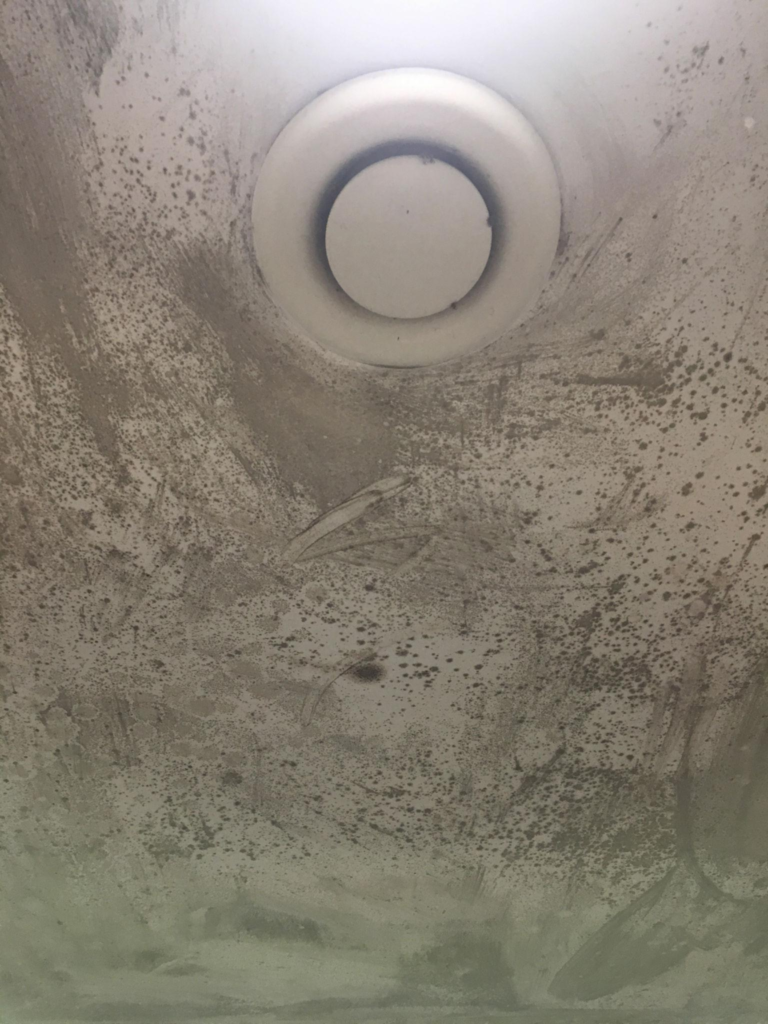
Here’s what Cocoa homeowners and residents across Brevard County should know about bathroom mold problems.
Why Bathrooms Are So Prone to Mold Growth
Bathrooms naturally generate moisture every day. Hot showers, baths, and running sinks release steam into the air, raising humidity levels quickly.
When moisture doesn’t leave the room fast enough, it settles on surfaces like:
• Ceilings
• Walls
• Tile grout
• Shower curtains
• Cabinets
• Mirrors and windows
• Behind toilets or sinks
Once surfaces stay damp long enough, mold spores — which are always present in the air — begin growing.
In Cocoa homes, mold often starts quietly in bathrooms and then spreads to nearby rooms if moisture conditions continue.
Why Bathroom Mold Is Especially Common in Brevard County
Florida homes face environmental conditions that make bathroom mold harder to prevent compared to drier climates.
High Outdoor Humidity
Even when bathrooms dry after showers, outdoor humidity entering the home can keep moisture levels elevated.
Frequent AC Usage
Air conditioning helps remove humidity but may not fully dry bathrooms if ventilation is poor.
Coastal Moisture Influence
Homes near Cocoa Beach and Cape Canaveral experience constant ocean humidity, which affects inland communities like Cocoa as well.
Storm and Rain Exposure
Heavy rainfall and storms sometimes introduce moisture through roofs or walls, increasing indoor humidity.
Modern Energy-Efficient Homes
Tightly sealed homes trap humidity indoors if ventilation systems aren’t adequate.
Because moisture is constantly present, bathrooms require consistent airflow and drying.
Signs Mold May Be Developing in Your Bathroom
Mold usually begins forming gradually, and homeowners often notice early warning signs before growth becomes severe.
Common signs include:
• Dark spots on ceilings or walls
• Mold forming along tile grout lines
• Musty odors after showers
• Peeling paint on ceilings
• Discoloration around vents or light fixtures
• Mold appearing on shower curtains or caulking
Homes in Rockledge and Merritt Island often show mold developing first in bathrooms before appearing elsewhere.
Persistent odors or recurring mold usually indicate moisture remains trapped.
Hidden Bathroom Mold Homeowners Often Miss
Visible mold is sometimes only part of the problem. Bathrooms contain many hidden areas where moisture can accumulate.
Professional inspections in Cocoa frequently uncover mold:
• Behind shower walls after leaks
• Under bathroom flooring
• Behind vanities or cabinets
• Around plumbing lines inside walls
• Inside ceiling cavities
• Around exhaust fan ducts
Small plumbing leaks or moisture seeping behind surfaces can allow mold to grow for months unnoticed.
By the time mold appears on surfaces, hidden growth may already exist.
Why Bathroom Mold Keeps Returning
Some homeowners clean mold repeatedly only to see it return. This usually happens because moisture conditions remain unchanged.
Common reasons mold returns include:
• Exhaust fans not used long enough after showers
• Bathroom fans venting into attics instead of outdoors
• Leaky plumbing fixtures
• Humidity remaining high after showers
• Wet bath mats or towels staying damp
• Poor air circulation in enclosed bathrooms
Without removing moisture quickly, mold regrows even after cleaning.
Moisture control is key to long-term prevention.
Why DIY Mold Cleaning Sometimes Fails
Cleaning bathroom mold yourself can sometimes help temporarily, but larger or recurring issues usually need professional attention.
Common DIY mistakes include:
Using Bleach Alone
Bleach may remove stains but often fails to eliminate mold roots in porous surfaces.
Painting Over Mold Stains
Covering stains hides moisture problems rather than fixing them.
Ignoring Ventilation Problems
If airflow is poor, mold returns.
Cleaning Only Visible Areas
Hidden moisture problems remain untreated.
DIY cleaning often works only if moisture conditions are corrected.
How Professional Mold Inspections Help Bathroom Mold Problems
When mold keeps returning, professional inspections help identify moisture sources and hidden contamination.
An inspection typically includes:
Visual Examination
Inspectors examine bathroom surfaces and surrounding areas.
Moisture Detection
Meters locate moisture behind walls or under flooring.
Ventilation Assessment
Exhaust fans and airflow are evaluated.
Plumbing Evaluation
Hidden leaks are identified.
Sampling When Needed
Air or surface testing may confirm mold levels.
Companies like Brevard Mold Inspections & Removal help homeowners understand conditions and recommend practical solutions.
Often, inspections reveal manageable problems caught early.
How Mold Remediation Handles Bathroom Mold Safely
When mold contamination spreads beyond small areas, professional remediation may be required.
Remediation often includes:
Containment Setup
Preventing spores from spreading during cleanup.
Removal of Damaged Materials
Wet drywall or insulation may need replacement.
Professional Cleaning
Remaining surfaces are cleaned safely.
Correcting Moisture Sources
Leaks or ventilation problems are repaired.
Final Verification
Ensures conditions return to normal.
The goal is restoring dry and safe conditions.
Practical Bathroom Mold Prevention Tips
Bathroom mold prevention in Cocoa homes focuses on removing moisture quickly.
Helpful prevention habits include:
• Running exhaust fans during and after showers
• Keeping bathroom doors open after use
• Wiping down wet surfaces when possible
• Fixing plumbing leaks promptly
• Cleaning grout and caulking regularly
• Replacing worn caulking or seals
• Using dehumidifiers if humidity remains high
• Checking ceilings for early stains
Homes near coastal areas benefit from additional humidity control due to constant moisture exposure.
Routine habits make a major difference.
Why Local Experience Matters for Mold Problems
Florida bathroom mold problems behave differently than those in cooler climates.
Local professionals understand:
• Coastal humidity patterns
• Hurricane-related moisture impacts
• Florida slab foundation moisture movement
• AC condensation challenges
• Construction styles common in Brevard County homes
Solutions must match Florida conditions to prevent mold from returning.
Local experience ensures effective prevention and remediation.
A Practical Next Step for Cocoa Homeowners
Bathroom mold is one of the most common mold problems homeowners face, but it is also one of the most preventable when moisture is controlled properly.
If your Cocoa home shows recurring bathroom mold, persistent odors, or moisture concerns, a professional inspection can help identify causes before larger repairs become necessary.
Many homeowners simply want reassurance their homes are dry and safe.
Brevard Mold Inspections & Removal works with homeowners throughout Cocoa and across Brevard County to identify moisture problems and recommend practical next steps.
Addressing bathroom moisture early helps prevent mold spread, protects property value, and keeps homes comfortable in Florida’s humid climate.
When bathroom odors or mold keep returning, checking conditions early often prevents bigger problems later.