
Mold Health Effects in Rockledge: What Homeowners in Brevard County Should Know
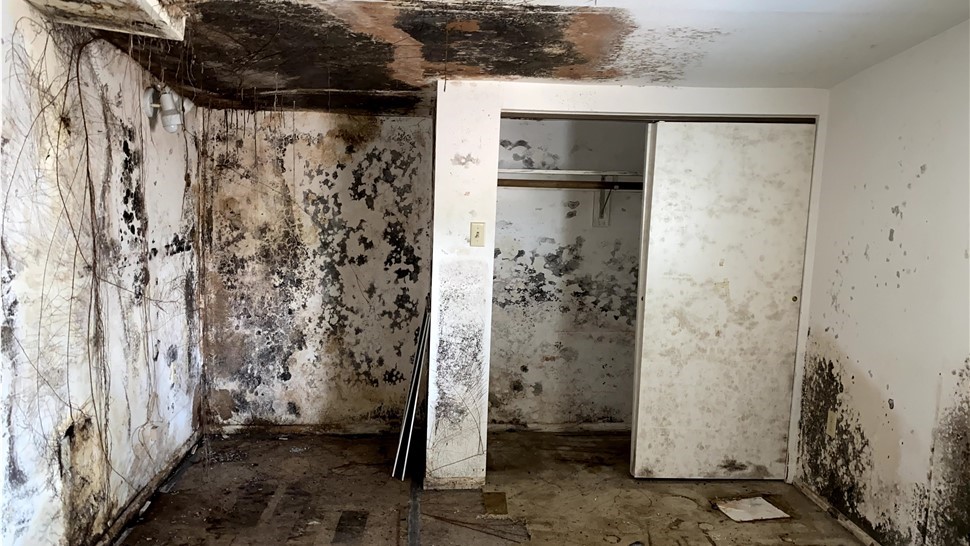
Most homeowners think about mold as a property problem—stains, odors, or damage to walls. But in Rockledge homes, one of the biggest concerns people ask about during inspections isn’t structural damage. It’s health. People want to know how mold affects the air they breathe and what symptoms they should take seriously.
I’ve spoken with homeowners who thought seasonal allergies were the cause of their symptoms, only to discover elevated mold levels in the home. Ever notice how symptoms improve when you leave the house for a few hours? That pattern often raises questions about indoor air quality.
Let’s take a realistic look at how mold can affect health, what signs homeowners should watch for, and how to reduce exposure.
How Mold Affects Indoor Air
Mold releases microscopic spores into the air as it grows. These spores become part of the indoor air people breathe every day. In small amounts, mold spores are common in all environments, but elevated levels can affect comfort and air quality.
Conditions that increase airborne mold include:
- Active mold growth
- Poor ventilation
- HVAC systems circulating spores
- High humidity
Rhetorical question time: if spores float in the air, where do they go? Everywhere airflow reaches.
That’s why indoor air quality becomes an important factor when mold develops.
Common Symptoms Associated With Mold Exposure
People react differently to mold, and not everyone experiences symptoms. However, some homeowners report symptoms that become noticeable when mold levels increase.
These may include:
- Nasal congestion
- Sneezing or coughing
- Eye irritation
- Throat irritation
- Headaches or fatigue
Symptoms often improve after leaving the home, which can help identify indoor air quality as a possible factor.
FYI, humidity alone can also contribute to discomfort, even without significant mold growth.
Why Some Homes Cause More Symptoms Than Others
Not every home with mold causes noticeable health effects. Several factors influence how strongly people react.
These include:
- Mold concentration in the air
- Ventilation and airflow
- Individual sensitivity
IMO, ventilation often plays a bigger role than homeowners expect. Homes with limited airflow tend to trap airborne particles longer.
Ever notice how fresh air makes a home feel better almost immediately? Air circulation matters more than most people realize.
The Role of HVAC Systems in Air Quality
HVAC systems move air throughout the home. When mold develops inside ductwork or air handlers, spores can circulate into multiple rooms.
Signs HVAC systems may be involved include:
- Odors strongest when the AC runs
- Symptoms affecting multiple rooms
- Musty smells near vents
These patterns often indicate that mold may not be confined to one location.
Airflow spreads both clean air and contaminated air equally.
Why Hidden Mold Can Affect Health
Mold doesn’t need to be visible to affect indoor air quality. Hidden mold behind walls or under flooring can release spores into the air through small openings, electrical outlets, or ductwork.
During inspections in Rockledge homes, hidden mold often appears:
- Behind drywall after slow leaks
- Inside insulation
- Around plumbing lines
Because the growth stays out of sight, homeowners sometimes notice symptoms before they notice mold.
Ever wonder why one room feels uncomfortable while others feel fine? Hidden moisture or mold nearby often explains that difference.
The Importance of Mold Inspection and Testing
When homeowners suspect mold may be affecting indoor air quality, inspection helps identify:
- Moisture sources
- Visible or hidden mold
- Areas at risk of growth
Mold testing may also help determine whether airborne mold levels are elevated.
Inspection identifies the cause. Testing measures the air.
Together, they provide a clearer understanding of what’s happening.
Reducing Mold Exposure Indoors
Improving indoor air quality often involves reducing both mold and moisture.
Homeowners in Rockledge can reduce exposure by:
- Maintaining HVAC systems regularly
- Repairing leaks promptly
- Using exhaust fans in bathrooms and kitchens
- Monitoring indoor humidity
These steps help prevent mold growth and improve airflow.
Ever notice how dry, well-ventilated homes rarely develop musty odors? Moisture control plays the biggest role.
Why Humidity Matters for Health
Humidity doesn’t just affect mold growth—it also affects comfort and breathing. High humidity can make indoor air feel heavy and may contribute to irritation or discomfort.
Maintaining balanced humidity helps:
- Reduce mold growth
- Improve comfort
- Protect building materials
Humidity control often improves indoor air quality even before mold remediation begins.
Why Acting Early Makes a Difference
One consistent lesson from inspections is that early action prevents larger problems.
When mold issues are addressed early:
- Mold remains localized
- Air quality improves faster
- Repairs stay smaller
Waiting allows mold to spread and airborne spore levels to increase.
Maintenance almost always costs less than remediation.
Final Thoughts
Mold health effects in Rockledge homes usually relate to indoor air quality and prolonged moisture conditions rather than sudden events. Understanding early warning signs, monitoring humidity, and scheduling inspections when concerns arise helps homeowners protect both their homes and their comfort.
Addressing moisture quickly remains the most effective way to prevent mold and maintain healthy indoor air.