
Mold Prevention in Viera: What Homeowners in Brevard County Should Know
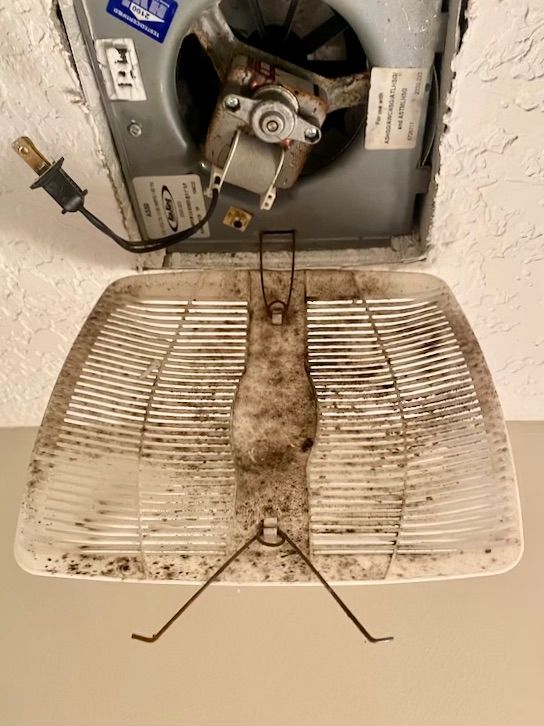
Most homeowners in Viera don’t worry about mold until they smell something musty or see a dark spot on a wall. The truth is, mold prevention is far easier—and far less expensive—than mold removal. Because Brevard County stays warm and humid much of the year, moisture control plays a huge role in keeping homes mold-free.
I’ve inspected homes where simple steps like improving ventilation or fixing a minor leak prevented major mold problems. Ever notice how some houses never seem to develop musty odors while others struggle constantly? The difference almost always comes down to moisture control.
Let’s talk about how mold prevention really works and what homeowners should know.
Why Mold Prevention Matters in Viera
Mold needs three things to grow:
- Moisture
- Organic material (drywall, wood, fabrics)
- Time
Every home already contains mold spores in small amounts, so prevention focuses on removing moisture before mold has a chance to grow.
Rhetorical question time: if moisture never builds up, what does mold grow on? Nothing.
That’s why moisture control is the most important step.
The Biggest Causes of Mold in Florida Homes
In Viera homes, mold usually develops because of:
- High indoor humidity
- AC condensation
- Plumbing leaks
- Roof leaks after storms
- Poor ventilation
These issues don’t always look serious at first, but they create conditions where mold develops gradually.
IMO, humidity alone causes more mold problems in Florida than major water damage does.
How Humidity Control Prevents Mold
Humidity levels above about 60% create ideal conditions for mold growth. Keeping humidity lower helps surfaces stay dry and prevents mold from developing.
Ways to control humidity include:
- Running air conditioning regularly
- Using dehumidifiers when needed
- Keeping doors open to improve airflow
- Using exhaust fans in bathrooms and kitchens
Ever notice how homes that feel dry rarely develop musty smells? That’s humidity control working.
FYI, even small humidity reductions can significantly slow mold growth.
The Role of Ventilation
Good airflow helps moisture evaporate and prevents damp air from lingering in enclosed spaces.
Ventilation is especially important in:
- Bathrooms
- Kitchens
- Laundry rooms
- Closets
Opening doors, running fans, and allowing airflow around furniture can make a noticeable difference.
Air that moves dries faster than air that stays still.
Preventing Mold in HVAC Systems
HVAC systems play a major role in both humidity control and air circulation. Poor maintenance can allow condensation and mold to develop inside the system.
Preventive steps include:
- Changing air filters regularly
- Scheduling routine HVAC maintenance
- Keeping drain lines clear
Ever notice how odors sometimes appear when the AC turns on? That often signals moisture or dust buildup inside the system.
Regular maintenance helps prevent those issues.
Preventing Mold After Minor Leaks
Small leaks often cause big mold problems simply because they go unnoticed longer.
Homeowners should:
- Check under sinks periodically
- Inspect ceilings after heavy rain
- Repair leaks promptly
Drying affected areas quickly often prevents mold entirely.
Moisture that remains for days becomes a problem.
Why Closets and Storage Areas Need Attention
Closets often have limited airflow, which allows humidity to build up.
Preventive steps include:
- Leaving space between walls and stored items
- Allowing airflow by occasionally opening doors
- Avoiding storing damp materials
Ever notice how closets sometimes smell musty before other rooms? Limited airflow explains that.
Small changes in storage habits can prevent mold growth.
The Importance of Mold Inspection
Periodic inspection helps identify moisture problems before mold develops.
Inspection may help detect:
- Hidden leaks
- Elevated humidity
- Early mold growth
Catching problems early keeps repairs smaller and less expensive.
Inspection is often preventive rather than reactive.
Why Acting Early Saves Time and Money
One consistent lesson from inspections is that early action prevents larger remediation projects.
When moisture issues are corrected early:
- Mold never forms
- Repairs stay minimal
- Indoor air quality remains healthy
Waiting allows moisture to affect building materials, increasing both cost and repair time.
Maintenance almost always costs less than restoration.
Final Thoughts
Mold prevention in Viera homes comes down to one key principle: control moisture before mold has time to grow. Maintaining HVAC systems, improving ventilation, monitoring humidity, and repairing leaks quickly all help keep homes dry and comfortable.
Understanding these simple steps helps homeowners prevent mold problems and maintain healthier indoor environments year-round.