
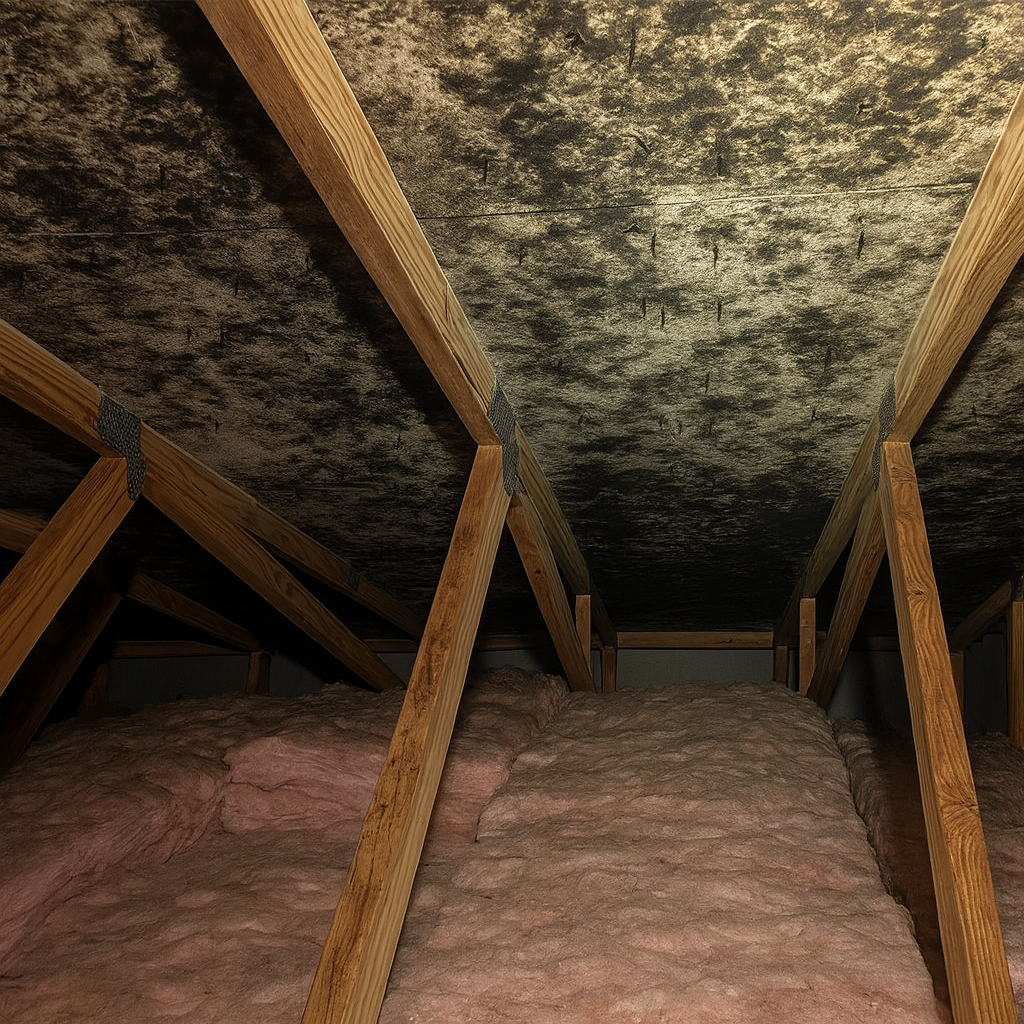
Mold in Attics in West Melbourne: What Homeowners in Brevard County Should Know
Many homeowners in West Melbourne rarely think about their attic until something goes wrong. Since attics aren’t part of daily living space, problems can develop quietly for months or even years before anyone realizes there’s an issue.
Across Brevard County, attic mold is one of the most common problems discovered during professional home inspections. Homeowners often only learn about mold in the attic after noticing ceiling stains, persistent indoor odors, or while preparing to sell their home.
Florida’s heat, humidity, and storm activity create conditions where attic moisture problems frequently occur. Understanding why attic mold forms — and how to prevent it — helps homeowners protect their homes from costly repairs and indoor air concerns.
Here’s what homeowners in West Melbourne and throughout Brevard County should know about attic mold.
Why Attics Are Vulnerable to Mold Growth
Attics face some of the harshest environmental conditions in Florida homes. Temperatures can become extremely hot, and moisture often accumulates due to ventilation issues or roof leaks.
Mold grows in attics primarily because of:
• High humidity entering from outside
• Poor attic ventilation
• Roof leaks after storms
• Moist air escaping from living spaces
• AC duct condensation
• Bathroom or kitchen exhaust venting into the attic
When moisture becomes trapped, mold spores naturally present in the air begin growing on wood surfaces, insulation, and other materials.
In West Melbourne homes, inspections often reveal attic mold that developed long before homeowners noticed any indoor warning signs.
Why Attic Mold Is Common in Brevard County Homes
Florida’s climate makes attic mold more common than many homeowners expect.
High Outdoor Humidity
Warm, humid air enters attic spaces daily, especially if ventilation is poor.
Heavy Rainfall and Storms
Storms often expose weak roofing areas, allowing small leaks to develop.
Hurricanes and Tropical Systems
Strong winds and wind-driven rain sometimes force water into attic spaces.
Constant Air Conditioning Use
Cool indoor air meeting hot attic air can create condensation around ducts.
Newer Home Construction
Energy-efficient homes are sealed tightly, sometimes trapping humidity indoors and pushing moisture into attic spaces.
Homes across Palm Bay, Rockledge, and Melbourne show similar attic mold patterns due to these conditions.
Signs Mold May Be Growing in the Attic
Because attics are rarely visited, mold often develops unnoticed. However, homeowners sometimes observe clues inside the home.
Common signs include:
• Musty smells indoors
• Ceiling stains appearing after storms
• Peeling paint on ceilings
• Increased indoor humidity
• Allergy-like discomfort indoors
• Mold spots appearing near ceiling vents
In many inspections throughout Merritt Island and Cocoa, odors lead homeowners to investigate attic spaces.
If odors persist without visible mold indoors, attic moisture may be the cause.
How Moisture Gets Into Attics
Many homeowners assume attic mold only results from roof leaks, but moisture can enter attics in several ways.
Roof Leaks
Storm damage or aging roofing materials allow rainwater to enter.
Poor Ventilation
Without proper airflow, moisture becomes trapped.
Bathroom or Kitchen Exhaust Misrouting
Some exhaust fans mistakenly vent into attic spaces rather than outdoors.
AC Duct Condensation
Cold ducts passing through hot attics create moisture buildup.
Air Leaks From Living Areas
Warm, humid indoor air escapes into attic spaces through ceiling openings.
Homes in Titusville and Satellite Beach often show attic moisture caused by ventilation or airflow problems rather than direct leaks.
Hidden Damage Mold Causes in Attics
Attic mold can cause damage homeowners don’t immediately see.
Over time, mold may:
• Weaken roof decking
• Damage attic insulation
• Cause ceiling staining indoors
• Spread into living spaces
• Increase indoor humidity
• Lead to higher energy costs
By the time mold becomes visible inside the home, contamination may already be widespread in the attic.
Early detection prevents larger repairs.
Why DIY Attic Mold Cleaning Often Fails
Some homeowners attempt to clean attic mold themselves. However, attic conditions make cleanup difficult and potentially ineffective.
Common DIY challenges include:
Cleaning Only Visible Surfaces
Moisture conditions remain unchanged.
Ignoring Ventilation Problems
Mold returns when airflow issues persist.
Spreading Mold Spores
Disturbing mold without containment spreads contamination.
Missing Moisture Sources
Leaks or condensation problems remain unresolved.
Cleaning without correcting moisture allows mold to return.
Professional evaluation is often needed for lasting results.
How Professional Inspections Identify Attic Mold Problems
Professional mold inspections help determine whether attic mold exists and identify moisture sources.
An inspection usually includes:
Visual Attic Examination
Inspecting roof decking and insulation.
Moisture Detection Tools
Identifying hidden damp areas.
Ventilation Assessment
Checking intake and exhaust airflow.
HVAC System Inspection
Ensuring ducts are not creating condensation.
Roof Leak Investigation
Looking for water intrusion after storms.
Companies like Brevard Mold Inspections & Removal help homeowners understand attic conditions and recommend practical solutions.
Many attic mold problems are manageable when caught early.
How Mold Remediation Fixes Attic Mold Problems
When mold contamination becomes extensive, remediation safely removes mold while correcting moisture issues.
Typical attic remediation steps include:
Containment Setup
Preventing spores from spreading indoors.
Removal of Contaminated Insulation
Wet or mold-damaged insulation is replaced.
Cleaning Roof Decking and Structures
Remaining materials are professionally cleaned.
Ventilation Improvements
Airflow is improved to prevent moisture buildup.
Leak Repairs
Roof or ventilation problems are corrected.
Final Inspection
Ensuring mold conditions return to normal.
The goal is restoring a dry attic environment.
Practical Ways to Prevent Attic Mold
Preventing attic mold focuses on moisture control and ventilation.
Helpful prevention steps include:
• Checking roofs after storms
• Ensuring attic ventilation works properly
• Keeping exhaust fans vented outdoors
• Maintaining HVAC duct insulation
• Sealing ceiling air leaks
• Inspecting attics annually
• Monitoring humidity levels indoors
Homes in coastal communities like Cocoa Beach and Cape Canaveral benefit from extra ventilation checks due to humidity exposure.
Small maintenance steps prevent costly repairs later.
Why Local Experience Matters in Attic Mold Problems
Florida homes experience attic moisture differently than homes in cooler climates.
Local professionals understand:
• Coastal humidity patterns
• Hurricane-related roof damage risks
• Florida attic heat and condensation issues
• HVAC challenges common in Brevard County
• Construction styles used locally
Solutions must match Florida’s environment to prevent mold effectively.
Local experience helps ensure long-term success.
A Practical Next Step for West Melbourne Homeowners
Attic mold problems can feel overwhelming, but most situations are manageable when caught early. Many homeowners simply want reassurance their homes remain safe and dry.
If your West Melbourne home has persistent odors, ceiling stains, or past roof leaks, a professional inspection can help determine whether attic moisture or mold is present.
Brevard Mold Inspections & Removal assists homeowners across West Melbourne and throughout Brevard County in identifying attic mold concerns and recommending practical solutions.
Addressing attic moisture early protects homes, prevents larger repairs, and keeps indoor living spaces comfortable in Florida’s humid climate.
When indoor air or ceiling conditions seem unusual, checking the attic early often prevents bigger problems later.