
Mold in Crawl Spaces in Melbourne: What Homeowners in Brevard County Should Know
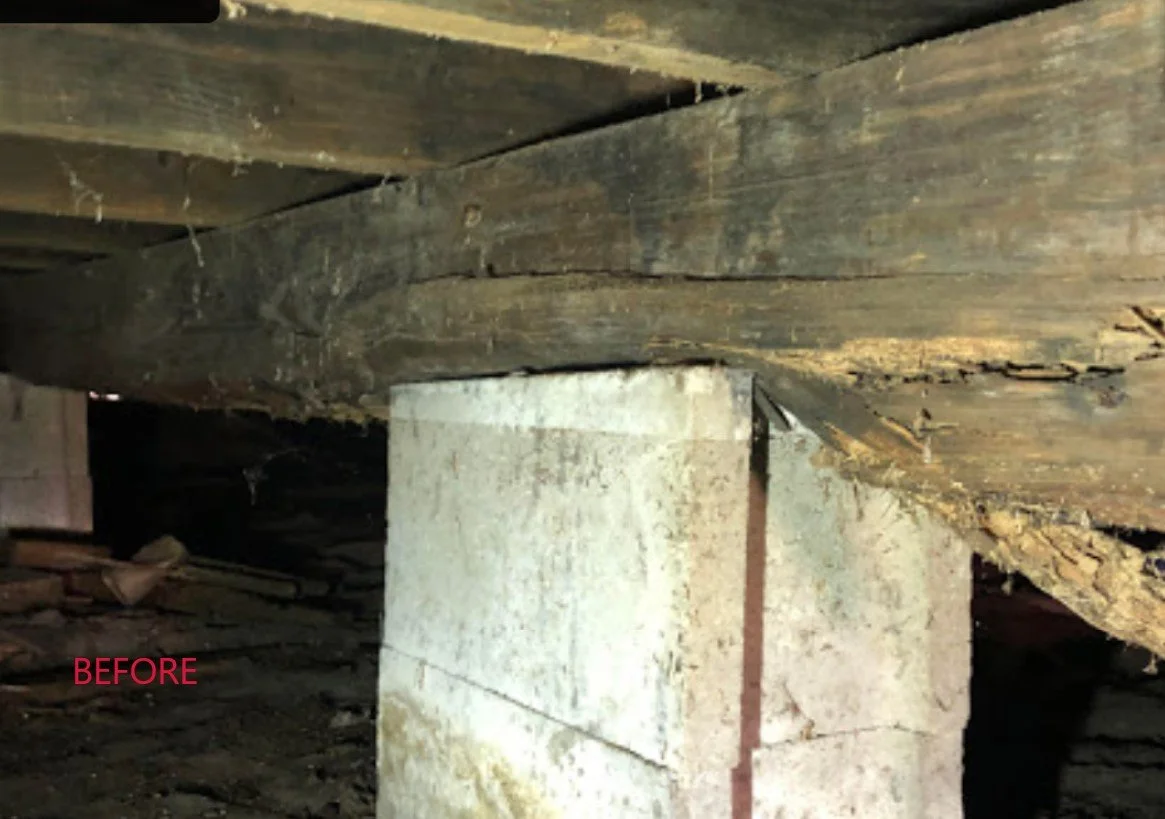
Crawl spaces are easy to forget about, but in Melbourne homes they often play a major role in mold problems. Because these areas stay dark, humid, and poorly ventilated, they create ideal conditions for mold growth—sometimes long before homeowners notice anything wrong inside the house.
I’ve inspected homes where the living areas felt perfectly dry, yet the crawl space below had visible mold on joists and insulation. Ever notice how a house can smell musty even when walls and ceilings look fine? Crawl spaces often explain that mystery.
Let’s look at why mold develops in crawl spaces, what signs to watch for, and what homeowners in Brevard County should know.
Why Crawl Spaces Are Prone to Mold
Crawl spaces sit close to the ground, which means they are constantly exposed to moisture from soil and outdoor air. In Florida’s humid climate, that moisture builds up quickly.
Common causes of crawl space mold include:
- Ground moisture rising from soil
- High humidity
- Poor ventilation
- Plumbing leaks
Unlike living areas, crawl spaces rarely dry quickly, which allows mold to grow gradually.
Rhetorical question time: if a space stays damp most of the year, what stops mold from growing? Usually nothing.
How Ground Moisture Contributes to Mold
One of the biggest factors in crawl space mold isn’t leaks—it’s moisture coming from the soil itself. Water vapor rises continuously, especially in humid climates like Brevard County.
Without moisture control measures, this vapor:
- Raises humidity levels
- Dampens wood framing
- Encourages mold growth
IMO, ground moisture causes more crawl space mold than plumbing leaks in many homes.
Where Mold Commonly Appears in Crawl Spaces
Mold often develops on materials that remain damp the longest.
Typical locations include:
- Floor joists and beams
- Subflooring
- Insulation
- Areas near plumbing lines
These surfaces provide both moisture and organic material, which mold needs to grow.
Because crawl spaces remain dark and undisturbed, mold can grow for months before anyone notices.
Early Signs of Crawl Space Mold
Since homeowners rarely enter crawl spaces, early warning signs usually appear elsewhere in the home.
Watch for:
- Musty odors indoors
- Floors feeling slightly damp or cool
- Increased indoor humidity
- Allergy-like symptoms indoors
These signs don’t confirm mold by themselves, but they often indicate moisture conditions that support mold growth.
FYI, persistent odors often point to moisture somewhere in the structure.
How Crawl Space Mold Affects Indoor Air Quality
Air naturally moves upward through homes in a process often called the stack effect. That means air from crawl spaces can enter living areas through small gaps and ductwork.
This can lead to:
- Odors inside the home
- Air feeling heavy or humid
- Mold appearing in lower walls or closets
Ever wonder why the lowest level of a home sometimes smells musty first? Crawl space conditions often explain that pattern.
Plumbing Leaks and Condensation
While ground moisture plays a major role, plumbing leaks also contribute to crawl space mold. Even slow leaks can keep surrounding materials damp long enough for mold to grow.
Common issues include:
- Leaking drain lines
- Condensation on cold pipes
- Minor seepage near fixtures
Because crawl spaces are rarely inspected, these problems sometimes continue for months unnoticed.
Small leaks often cause bigger mold problems simply because they last longer.
The Importance of Mold Inspection and Testing
When crawl space mold is suspected, inspection helps identify:
- Moisture sources
- Visible and hidden mold growth
- Ventilation or drainage problems
Mold testing may help determine whether airborne mold levels are elevated inside the home.
Inspection identifies conditions. Testing measures exposure.
Together, they provide a clearer understanding of the situation.
Mold Removal and Remediation in Crawl Spaces
If mold is present, remediation often involves:
- Cleaning or removing mold-damaged materials
- Installing or repairing vapor barriers
- Improving ventilation
- Repairing plumbing leaks
In some cases, insulation replacement may be necessary if contamination is extensive.
Correcting moisture remains the most important step to prevent recurrence.
Preventing Crawl Space Mold
Homeowners in Melbourne can reduce crawl space mold risk by:
- Monitoring indoor humidity
- Repairing plumbing leaks promptly
- Ensuring proper drainage around the foundation
- Installing vapor barriers when needed
These preventive steps help control moisture before mold begins growing.
Ever notice how homes with dry crawl spaces rarely develop musty odors? Moisture control makes a huge difference.
Why Acting Early Saves Time and Money
One consistent lesson from inspections is that early action prevents larger remediation later.
When moisture problems are addressed early:
- Mold remains localized
- Structural materials stay intact
- Repairs stay smaller
Waiting allows mold to spread into insulation and framing, increasing both cost and repair time.
Maintenance almost always costs less than restoration.
Final Thoughts
Mold in crawl spaces in Melbourne homes usually develops gradually due to humidity, ground moisture, and limited airflow. Because crawl spaces stay out of sight, mold often grows unnoticed until odors or air quality changes appear inside the home.
Understanding warning signs, controlling moisture, and scheduling inspections when concerns arise helps homeowners prevent small crawl space problems from becoming major repairs.