
Mold in Rental Properties in Palm Bay: What Homeowners in Brevard County Should Know
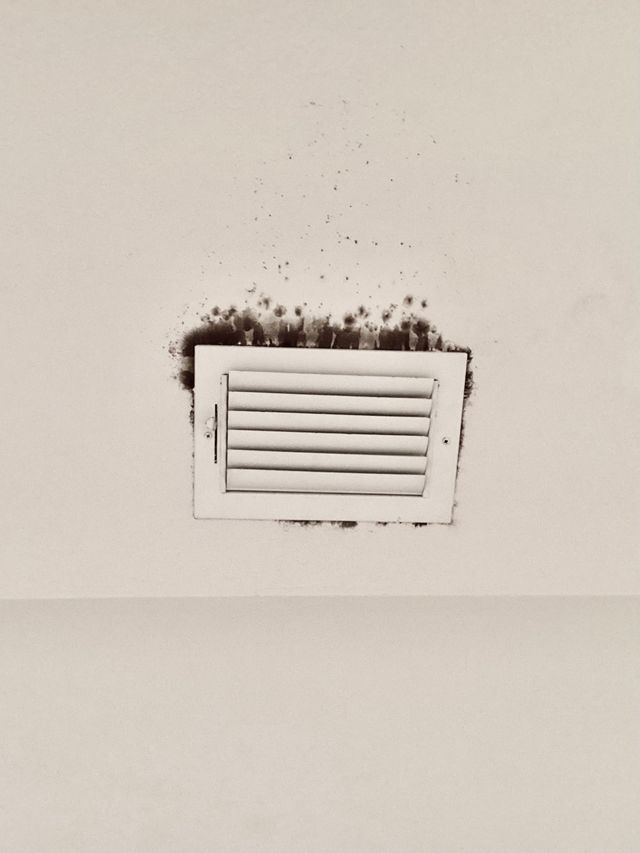
Mold issues in rental properties can become complicated quickly. In Palm Bay homes, mold doesn’t just affect the building—it also affects tenants, property owners, and sometimes property managers. One of the most common challenges is that mold problems often start small and go unnoticed until odors or visible spots appear.
I’ve inspected rental homes where a slow plumbing leak under a sink continued for months because no one realized how serious it was. Ever notice how a small stain or musty smell sometimes gets ignored at first? In rental properties, those small signs often lead to larger mold problems later.
Let’s walk through how mold develops in rental homes and what homeowners and property owners in Brevard County should know.
Why Rental Properties Are More Vulnerable to Mold
Rental homes experience frequent occupancy changes, varying maintenance habits, and different levels of daily use. These factors sometimes allow moisture problems to go unnoticed longer than in owner-occupied homes.
Common reasons mold develops in rentals include:
- Small leaks that go unreported
- HVAC systems needing maintenance
- Bathrooms with heavy daily use
- High indoor humidity
When moisture persists, mold growth becomes more likely.
Rhetorical question time: if a small leak continues for weeks instead of days, how much more damage can it cause? Quite a lot.
The Most Common Sources of Mold in Palm Bay Rentals
During inspections, mold in rental homes often traces back to predictable sources.
Typical causes include:
- Plumbing leaks under sinks
- Roof leaks after storms
- AC condensation problems
- Poor bathroom ventilation
These problems rarely start large, but they create conditions where mold develops gradually.
IMO, slow plumbing leaks cause more mold in rental homes than dramatic water damage events.
Early Signs Tenants and Owners Should Watch For
Mold rarely appears suddenly. Most problems begin with small warning signs that can be easy to miss.
Watch for:
- Musty or damp odors
- Discoloration on walls or ceilings
- Peeling paint or bubbling drywall
- Condensation around vents or windows
These signs often appear before mold becomes extensive.
FYI, odors are often the first clue that moisture exists somewhere in the home.
How HVAC Systems Contribute to Mold in Rentals
HVAC systems play a major role in both humidity control and indoor air quality. In rental homes, systems sometimes go longer between maintenance visits, which increases the risk of condensation buildup or airflow problems.
When mold develops inside HVAC components:
- Spores circulate through the home
- Odors appear in multiple rooms
- Indoor air quality declines
Ever notice how musty smells sometimes appear only when the AC runs? That pattern often points to HVAC-related moisture.
Air systems move air constantly—and anything in that air moves with it.
Why Mold Issues Sometimes Go Unnoticed
In rental homes, minor issues may seem unimportant at first. Tenants may assume small stains or odors are temporary, while owners may not see the problem until it becomes visible.
During inspections, we often find:
- Hidden mold behind drywall
- Damp insulation
- Moist framing near plumbing
These conditions can exist for months without obvious warning signs.
That’s why early reporting and regular inspections make such a difference.
The Importance of Mold Inspection and Testing
When mold concerns arise, inspection helps identify:
- Moisture sources
- Visible and hidden mold growth
- Areas at risk of further contamination
Mold testing may also help determine whether airborne mold levels are elevated, especially when odors persist or indoor air quality concerns exist.
Inspection identifies the source. Testing measures the air.
Together, they provide clarity.
Mold Removal and Remediation in Rental Properties
If mold is confirmed, remediation typically includes:
- Removing contaminated materials
- Cleaning affected structural surfaces
- Correcting moisture sources
- Improving ventilation
Containment and air filtration may be used in larger projects to prevent spores from spreading.
The most important step is always correcting the moisture problem to prevent mold from returning.
Preventing Mold in Rental Homes
Both property owners and tenants can help reduce mold risk with simple habits.
Helpful steps include:
- Reporting leaks promptly
- Using exhaust fans in bathrooms and kitchens
- Maintaining HVAC systems regularly
- Monitoring humidity levels
These preventive measures significantly reduce mold risk in Palm Bay homes.
Ever notice how homes that stay dry rarely develop musty smells? Moisture control makes the biggest difference.
Why Communication Matters in Rental Properties
One factor that often determines how serious mold becomes in rental homes is communication. Quick reporting and prompt maintenance prevent small problems from becoming larger ones.
Clear communication helps:
- Address leaks quickly
- Prevent moisture buildup
- Reduce repair costs
Mold problems often grow when small issues stay unreported.
Early attention keeps repairs manageable.
Why Acting Early Saves Time and Money
One consistent lesson from inspections is that early action prevents larger remediation projects.
When mold issues are addressed early:
- Damage remains localized
- Repairs stay smaller
- Air quality improves faster
Waiting allows mold to spread into drywall, insulation, and flooring, increasing both cost and repair time.
Maintenance almost always costs less than restoration.
Final Thoughts
Mold in rental properties in Palm Bay usually develops gradually due to humidity, minor leaks, or ventilation issues rather than major water events. Because multiple people are involved in maintaining rental homes, early communication and routine inspections play a key role in preventing mold problems.
Understanding warning signs, addressing moisture quickly, and maintaining HVAC and ventilation systems helps keep rental homes safe, comfortable, and mold-free.