
Mold FAQs in Merritt Island: What Homeowners in Brevard County Should Know
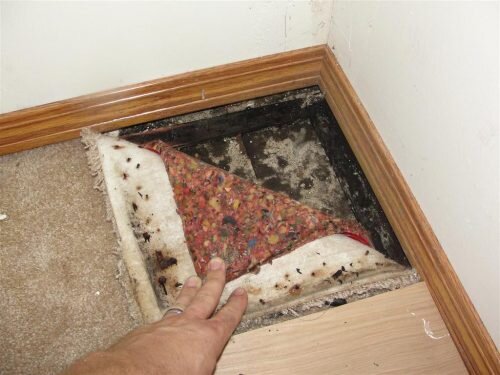
Homeowners in Merritt Island ask a lot of questions about mold, and honestly, most of them are the same ones we hear during inspections every week. People want to know what causes mold, how fast it grows, whether it’s dangerous, and how to stop it from coming back.
I’ve walked into homes where homeowners felt overwhelmed by conflicting information online. Ever notice how one article says mold grows overnight while another says it takes weeks? The truth sits somewhere in between, and understanding the basics makes mold much less mysterious.
Let’s go through some of the most common mold questions homeowners in Brevard County ask—and the straightforward answers.
How Fast Does Mold Grow?
One of the most common questions is about timing. Mold doesn’t need much time when moisture is present.
Under the right conditions:
- Mold can begin developing within 24 to 72 hours
- Growth becomes visible within days or weeks
- Hidden mold may exist long before it appears on surfaces
Rhetorical question time: if a material stays damp for several days, what stops mold from growing? Usually nothing.
Drying moisture quickly remains the best prevention.
What Causes Mold in Florida Homes?
In Merritt Island homes, mold almost always traces back to moisture. The source doesn’t need to be dramatic.
Common causes include:
- High humidity
- AC condensation
- Plumbing leaks
- Roof leaks after storms
IMO, humidity alone causes more mold issues in Florida than major flooding does.
Humidity plus time equals mold—it’s that simple.
Where Does Mold Usually Grow?
Mold tends to grow in areas that stay damp and receive little airflow.
Frequent locations include:
- Bathrooms
- Attics
- Crawl spaces
- Behind drywall
- Around HVAC systems
These areas trap moisture and dry slowly, creating ideal conditions for mold growth.
Ever notice how closets or storage areas sometimes smell musty before anything becomes visible? Limited airflow often explains that.
How Can You Tell If Mold Is Hidden?
Hidden mold often shows indirect signs rather than visible growth.
Watch for:
- Musty or earthy odors
- Persistent humidity
- Peeling paint or bubbling drywall
- Allergy-like symptoms indoors
These signs don’t confirm mold by themselves, but they often indicate moisture problems that allow mold to grow.
FYI, odors are often the first warning sign.
Is All Mold Dangerous?
Not all mold causes serious health concerns, but any mold indicates a moisture problem that needs attention. Mold can affect indoor air quality and may cause discomfort for some people.
Factors that influence impact include:
- Mold concentration
- Ventilation
- Individual sensitivity
The most important step isn’t identifying the type immediately—it’s addressing the moisture source.
Moisture control solves most mold problems.
Should Homeowners Clean Mold Themselves?
Small areas on non-porous surfaces can sometimes be cleaned safely. However, larger areas or recurring mold often involve hidden moisture or contamination.
Situations that usually require inspection include:
- Mold returning after cleaning
- Musty odors without visible growth
- Mold appearing in multiple rooms
Cleaning removes what you see. Inspection finds what you don’t.
Ever wonder why mold sometimes comes back in the same spot? The moisture source usually remains.
What Does a Mold Inspection Include?
A mold inspection typically involves:
- Visual examination of affected areas
- Moisture measurements
- Identifying possible sources of water or humidity
Inspection focuses on finding the cause of mold, not just the visible growth.
Testing may also be performed to evaluate airborne mold levels when needed.
Inspection identifies the problem. Testing measures the air.
How Can Mold Be Prevented?
Preventing mold in Merritt Island homes mostly comes down to controlling moisture.
Helpful steps include:
- Maintaining HVAC systems
- Repairing leaks promptly
- Using exhaust fans
- Monitoring humidity
These steps reduce the conditions mold needs to grow.
Ever notice how homes that stay dry rarely develop musty smells? Moisture control makes the difference.
Why Does Mold Keep Returning?
Recurring mold almost always indicates one of three things:
- Moisture wasn’t fully removed
- Hidden mold remained
- Ventilation problems still exist
Until the underlying moisture issue is corrected, mold often returns—even after cleaning or repairs.
This is one of the most common issues homeowners face.
When Should Homeowners Call for Inspection?
Homeowners should consider inspection when:
- Odors persist
- Mold returns repeatedly
- Water damage occurred recently
- Indoor air quality concerns arise
Early inspection helps prevent larger problems and keeps repairs manageable.
Acting early usually saves time and money.
Why Acting Early Matters
One consistent lesson from inspections is that small moisture problems turn into large mold problems when ignored.
When addressed early:
- Mold remains localized
- Repairs stay smaller
- Air quality improves faster
Waiting allows mold to spread into structural materials, increasing both cost and repair time.
Maintenance almost always costs less than remediation.
Final Thoughts
Mold FAQs in Merritt Island homes usually lead to the same conclusion: moisture control is the key to prevention. Understanding how mold grows, recognizing early warning signs, and addressing leaks or humidity quickly helps homeowners avoid larger problems later.
Most mold situations become manageable when addressed early, and routine inspections help catch issues before they spread.